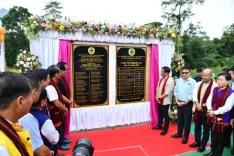
CM Pema Khandu Inaugurates Smart City Projects in Pasighat
Synopsis
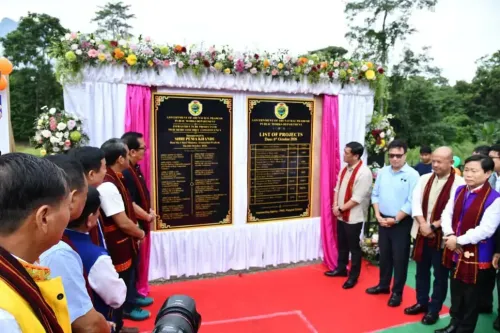
Arunachal Pradesh CM Pema Khandu digitally inaugurated five projects under the Pasighat Smart City Mission on October 6, 2026, covering smart roads, storm drainage, a recreation centre, a VKV school at Donyi Polo Gangging, and a solid waste management system.
Key Takeaways
Five projects were digitally inaugurated under the Pasighat Smart City Mission on October 6, 2026 .
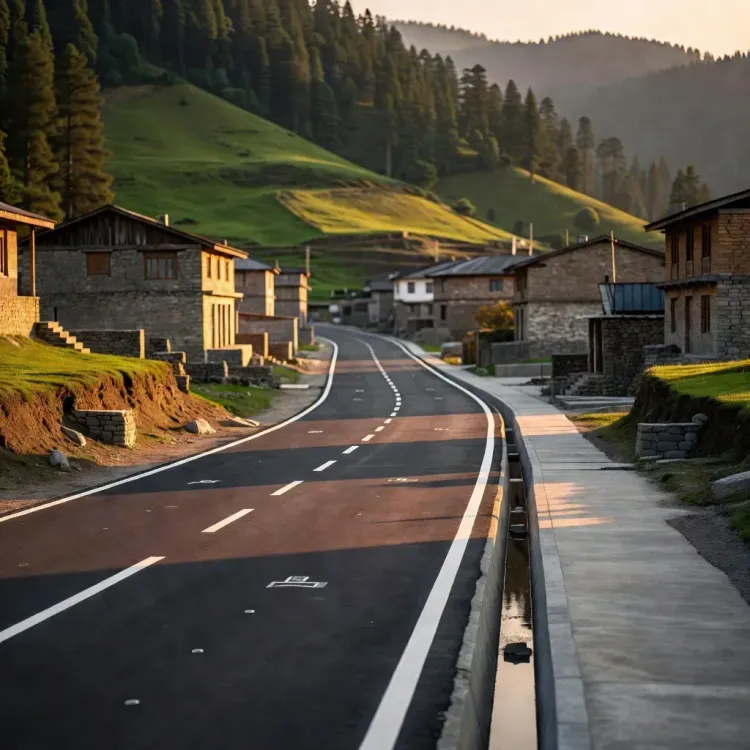
Smart Road Phase I and II upgrade mobility infrastructure in Pasighat, East Siang district's headquarters.
Storm Water Drainage Phase IA and II target seasonal waterlogging in a high-rainfall Himalayan zone.
A new Recreation Centre with indoor games facilities adds civic amenity to the town.
The VKV school at Donyi Polo Gangging brings upgraded educational infrastructure linked to Arunachal's indigenous Donyi Polo faith community.
A Solid Waste Management project addresses one of the most pressing urban governance challenges in fast-growing northeastern towns.
Five major urban infrastructure projects in Pasighat — Arunachal Pradesh's oldest town and a key commercial hub in the eastern Himalayan state — crossed the finish line on Tuesday, October 6, 2026, as Arunachal Pradesh Chief Minister Pema Khandu digitally inaugurated them under the Pasighat Smart City Mission.
Five projects, one push: what got delivered
The inauguration covered a tight cluster of projects spanning mobility, drainage, recreation, education, and waste management. Smart Road Phase I and Phase II form the backbone of the package — upgraded urban roads designed to ease Pasighat's growing traffic load and improve last-mile connectivity in a town that straddles the Siang river and serves as a gateway to Upper Siang and East Siang districts.
Alongside the roads, Storm Water Drainage Phase IA and Phase II complete a system that directly tackles waterlogging — a persistent seasonal hazard in a region that receives intense monsoon rainfall. A new Recreation Centre with indoor games facilities adds civic amenity, while the Vidya Bharati Vidyalaya (VKV) at Donyi Polo Gangging brings upgraded school infrastructure to a site associated with the indigenous Donyi Polo faith. Rounding out the set, a Solid Waste Management (SWM) project addresses one of the most visible governance gaps in fast-growing Himalayan towns.
Pasighat Smart City Mission: the bigger frame
Pasighat was selected under India's Smart Cities Mission, the Union government's flagship urban renewal programme that channels central and state funds into selected cities for integrated infrastructure upgrades. Being the only city in Arunachal Pradesh under the mission, Pasighat carries an outsized symbolic weight — every project delivered here is a proof-of-concept for what structured urban investment can do in remote, ecologically sensitive frontier towns.
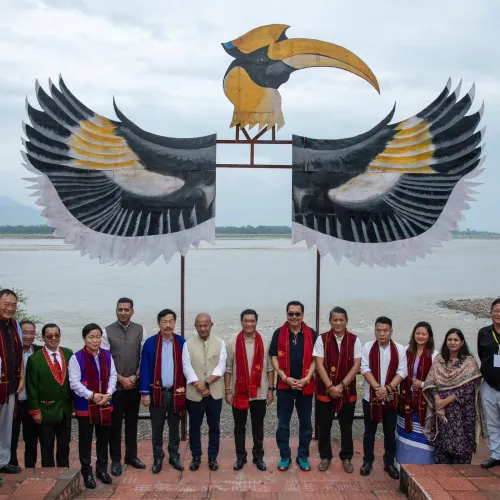
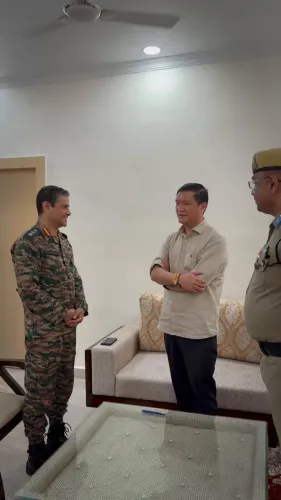
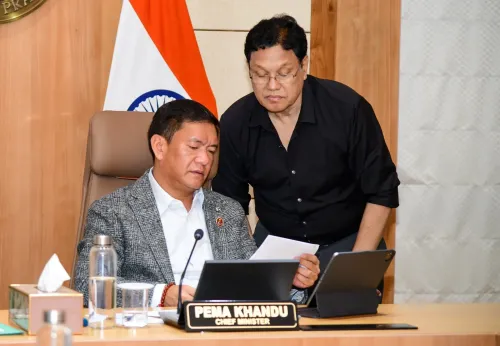
The digital-inauguration format — where the Chief Minister activates projects remotely — has become standard practice for multi-site launches, allowing state leadership to commission works simultaneously without logistical delays. With four project images accompanying Khandu's post, the rollout is clearly being framed as a visible governance deliverable ahead of the town's continued development arc.
What Pasighat gets next
Pasighat is the administrative headquarters of East Siang district and one of the most accessible urban centres in a state where road connectivity remains a chronic challenge. Better-drained roads, a functional waste-management system, and a new recreation hub change daily life in ways that indices rarely capture — a child who can walk to school on a sealed footpath, a market that doesn't flood in July, a neighbourhood that doesn't smell of uncollected waste in August.
The SWM project, in particular, signals an intent to leapfrog the waste crisis before it becomes irreversible — a pattern seen in several northeastern cities that urbanised faster than their civic systems could follow.
For a frontier state that has long argued it deserves more from the national urban-investment pipeline, five inaugurations in a single digital session are a data point worth watching.
Point of View
Linking modern infrastructure with indigenous religious geography. If the SWM and drainage systems perform through monsoon season, they could reframe the conversation about what is governable in high-altitude, high-rainfall urban settings.
NationPress
7 Oct 2026
Frequently Asked Questions
What projects were inaugurated under the Pasighat Smart City Mission in October 2026?
Five projects were inaugurated: Smart Road Phase I and II, Storm Water Drainage Phase IA and II, a Recreation Centre with indoor games, the VKV school at Donyi Polo Gangging, and a Solid Waste Management project.
What is the Pasighat Smart City Mission?
Pasighat was selected under India's Smart Cities Mission, a Union government programme that funds integrated urban infrastructure upgrades in chosen cities. Pasighat is the only city in Arunachal Pradesh under this mission.
Where is Pasighat located?
Pasighat is the headquarters of East Siang district in Arunachal Pradesh, situated along the Siang river and considered the oldest town in the state.
What is the VKV at Donyi Polo Gangging?
VKV refers to Vidya Bharati Vidyalaya, a school network. The Donyi Polo Gangging site is associated with the indigenous Donyi Polo faith of Arunachal Pradesh, and the inaugurated project brings upgraded school infrastructure to that location.
Why does Pasighat need storm water drainage upgrades?
Pasighat sits in a high-rainfall Himalayan zone and experiences intense monsoon seasons, making seasonal waterlogging a persistent civic problem. The Phase IA and II drainage projects are designed to address this recurring hazard.