CM Pema Khandu Highlights Komlighat Riverfront Transformation

Synopsis
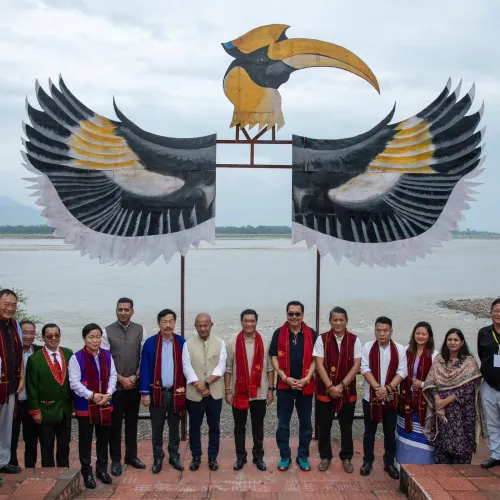
Arunachal Pradesh Chief Minister Pema Khandu has spotlighted the development of Komlighat, a riverfront space along the Siang in Pasighat, describing it as a transformed community destination that showcases the river's natural beauty.
Key Takeaways
Komlighat in Pasighat has been developed from a basic riverside spot into a structured public riverfront.
The site sits along the Siang river , one of India's most dramatic waterways, as it descends from the Tibetan Plateau.
Pasighat is the headquarters of East Siang district and one of Arunachal Pradesh's oldest towns.
Chief Minister Pema Khandu shared a video of the site on October 7, 2026 , framing it as a community and tourism asset.
The development aligns with a broader national trend of riverfront upgrades in smaller Indian cities to boost civic amenity and local tourism.
A riverside clearing along the Siang river in Pasighat has quietly become something more — a developed public riverfront that Arunachal Pradesh Chief Minister Pema Khandu is now calling attention to as a symbol of what thoughtful local development can look like in the Northeast.
Sharing a video on Wednesday, October 7, 2026, Chief Minister Khandu described Komlighat as a transformation 'from a simple riverside spot to a thoughtfully developed riverfront' — a place, he said, 'where people can come together, enjoy the beauty of the Siang and experience the natural charm of Pasighat.'
Komlighat: Pasighat's New Public Gathering Point
Pasighat, the headquarters of East Siang district, is one of the oldest towns in Arunachal Pradesh and sits at the point where the Siang river — the upper stretch of the Brahmaputra — descends from the hills onto the plains. The town has long carried significance as a gateway to the state's interior, and the Siang's banks have historically been a natural draw for residents and visitors alike.
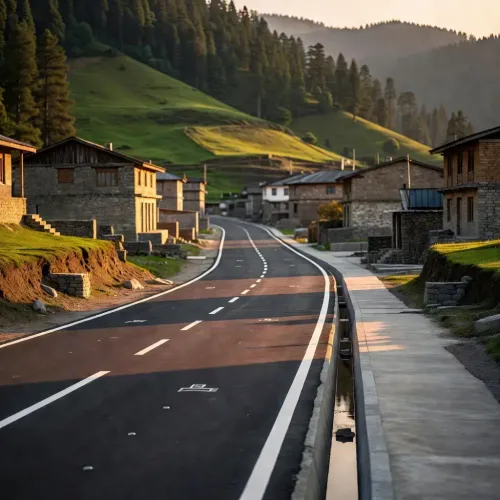
The development of Komlighat as a structured riverfront space marks an effort to convert that natural draw into usable public infrastructure — walkways, seating, and community space along one of India's most dramatic river corridors. Riverfront development of this kind has gained traction across smaller Indian cities as a way to combine civic amenity with tourism potential, and Komlighat appears to follow that model at a scale suited to Pasighat's character.
Why the Siang Makes This Different
The Siang is not an ordinary river backdrop. Descending from the Tibetan Plateau, it carries extraordinary volume and energy through a landscape of dense forest and steep gorges before it broadens near Pasighat. That natural drama — the sheer force and beauty of the river at this junction — gives Komlighat a setting that few riverfronts anywhere in India can match. Chief Minister Khandu's post leans into exactly that, framing the development not as infrastructure alone but as a way to make the river's 'natural charm' accessible to ordinary people.
For a state that borders China and has long pressed for faster infrastructure investment as a matter of both development and strategic depth, every project that makes Arunachal's towns more livable — and more visible — carries an extra layer of significance.
Komlighat is now that conversation, starting at the water's edge.
Point of View
Showcasing livability projects also serves a softer strategic purpose: making Arunachal's towns feel permanent, invested-in, and rooted — a message that carries weight well beyond the riverbank.
NationPress
7 Oct 2026
Frequently Asked Questions
Where is Komlighat located?
Komlighat is located in Pasighat , the headquarters of East Siang district in Arunachal Pradesh, along the banks of the Siang river .
What is the Komlighat riverfront development?
Komlighat has been developed from a simple riverside clearing into a structured public riverfront space, offering residents and visitors a place to gather and enjoy the natural scenery of the Siang river near Pasighat.
What river flows through Pasighat?
The Siang river flows through Pasighat. It is the upper stretch of the Brahmaputra and descends from the Tibetan Plateau through Arunachal Pradesh before entering the Assam plains.
Why is Pasighat significant in Arunachal Pradesh?
Pasighat is one of the oldest towns in Arunachal Pradesh and serves as the gateway to the state's interior. It is strategically located near the point where the Siang river descends from the hills to the plains.