CM Fadnavis honours Hutatma martyrs, pledges smarter Mumbai Police
Synopsis
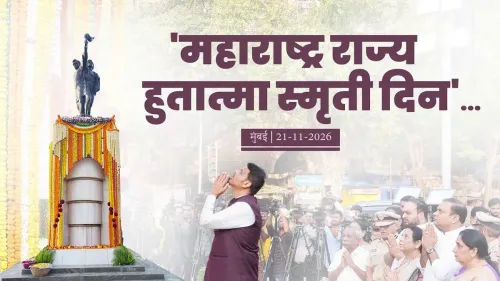
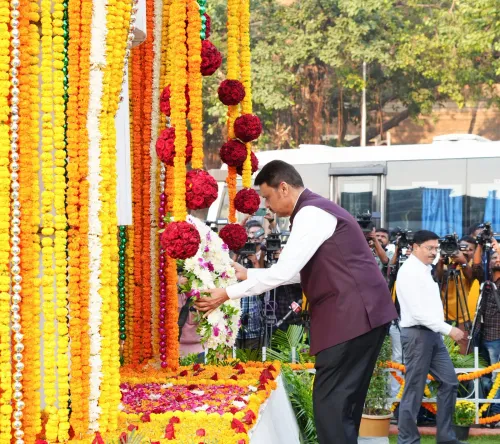
On Hutatma Smrutidin, 21 November 2026, CM Devendra Fadnavis honoured martyrs of the Samyukta Maharashtra movement, promised technology-led transparency for Mumbai Police, and called citizens vital partners in building a secure India.
Key Takeaways
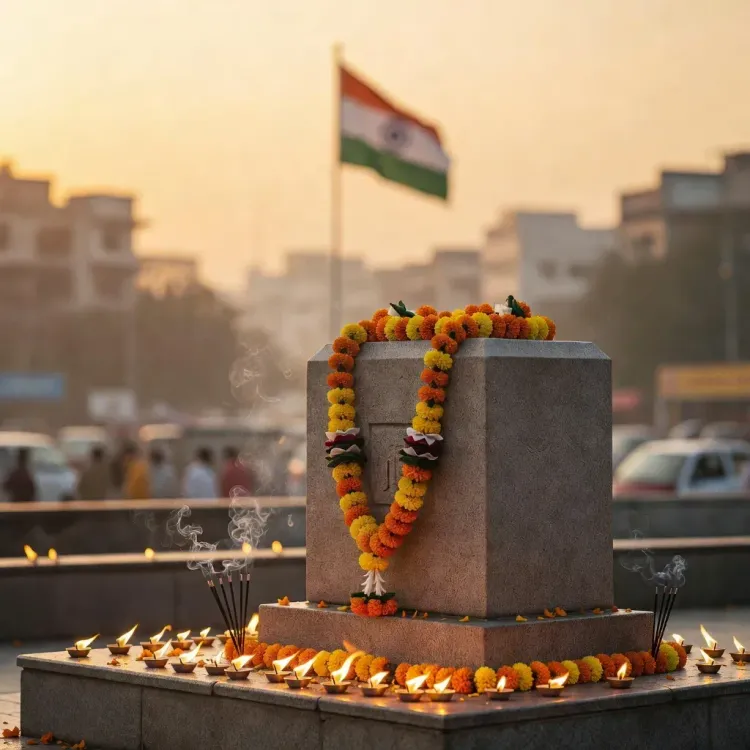
21 November was observed as Hutatma Smrutidin (Martyr's Memorial Day) across Maharashtra.
CM Devendra Fadnavis formally paid tribute to those who died in the Samyukta Maharashtra movement that led to the state's formation on 1 May 1960 .
Fadnavis pledged that modern technology will make Mumbai Police more people-centric, agile, and transparent.
The chief minister called every citizen's contribution essential for fulfilling India's national resolve and building a secure nation.
The day's summary was shared by the Chief Minister's Office of Maharashtra via an official X post on 22 November 2026 .
Three moments defined Chief Minister Devendra Fadnavis's Saturday, 21 November 2026 — a solemn bow to the men and women who died demanding a Marathi-speaking state, a promise to transform Mumbai Police with modern technology, and a call for every citizen's contribution to a secure India. The Chief Minister's Office of Maharashtra captured all three in its end-of-day recap posted on X.
A salute to those who gave their lives for Maharashtra
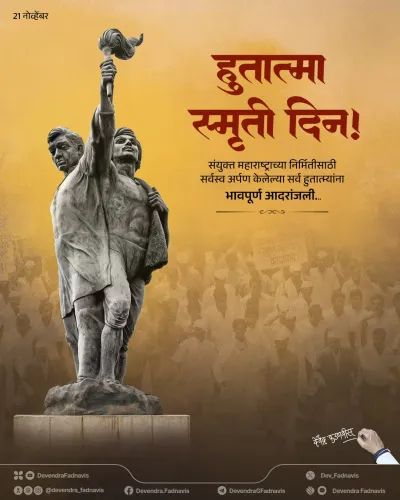
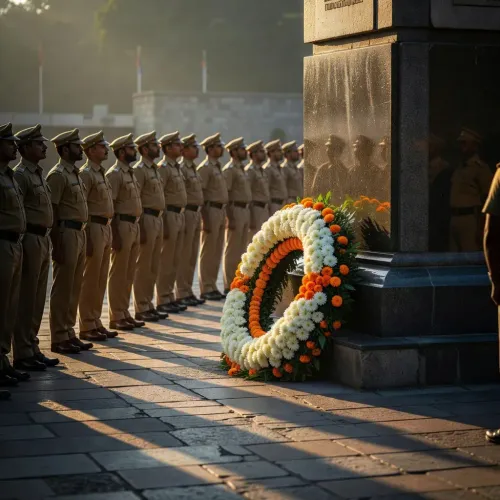
Hutatma Smrutidin — Martyr's Memorial Day — falls every 21 November, and CM Fadnavis used the occasion to pay tribute to the martyrs of the Samyukta Maharashtra movement. The post quoted him offering abhivadan (formal homage) to the fighters of the Samyukta Maharashtra Ladha — the linguistic agitation of the 1950s that eventually compelled the Indian government to carve out a separate Marathi-speaking state.
Maharashtra was formally born on 1 May 1960. The movement that made it possible cost dozens of lives during street protests, and successive state governments — regardless of political colour — have treated 21 November as a day of institutional remembrance. For Fadnavis, honouring those martyrs is not merely ceremonial; it anchors today's governance within a lineage of sacrifice.
Mumbai Police's technology overhaul — what Fadnavis promised
The second headline from the day carried a sharper edge. CM Fadnavis declared that the deployment of modern technology will make Mumbai Police more 'lokaabhimukh, gatiman ani paardarsak' — people-centric, agile, and transparent. Mumbai, as India's financial capital and one of its most densely policed cities, has long been a testing ground for digital law-enforcement tools.
The statement signals a continued push under the Fadnavis administration to digitise policing — a direction that aligns with repeated technology adoption drives the force has undertaken over the past decade, from CCTV expansion to AI-assisted surveillance. The specifics of the latest rollout were not detailed in Saturday's summary, but the chief minister's framing — linking technology directly to public trust and speed — suggests a broader reform narrative is being built.
Citizen responsibility and the 'secure India' message
The day closed with a third theme: national security as a collective endeavour. CM Fadnavis stated that every individual's contribution is vital for 'Bharat ki sankalppurti' (fulfilling India's resolve) and for building a secure India — language that places Maharashtra's governance squarely within the Centre's internal-security framework. Such state-centre alignment on security messaging has been a consistent feature of BJP-led administrations in Maharashtra.
Taken together, the three moments sketch a deliberate portrait: a chief minister grounding himself in historical memory, modernising the state's most visible law-enforcement agency, and asking citizens to see themselves as stakeholders in national safety. The martyrs of 1960 set a standard; Fadnavis is making a public case that his government is still rising to meet it.
Point of View
The Fadnavis administration is weaving historical legitimacy into a contemporary governance narrative — a classic BJP playbook of linking statehood pride to present-day delivery. The Mumbai Police technology promise is notable because public trust in the force has historically been a political flashpoint in Maharashtra; framing reform around transparency is a targeted softening exercise. The 'secure India' invocation also signals that Mumbai — as a symbolic and economic hub — will be a vocal partner in the Centre's internal-security agenda ahead of any major policy announcements.
NationPress
22 Nov 2026
Frequently Asked Questions
What is Hutatma Smrutidin and why is it observed on 21 November?
Hutatma Smrutidin is Maharashtra's annual Martyr's Memorial Day, observed on 21 November to honour people killed during the Samyukta Maharashtra movement — the agitation that demanded a separate Marathi-speaking state and ultimately led to Maharashtra's formation on 1 May 1960 .
What did CM Devendra Fadnavis say about Mumbai Police on 21 November 2026?
CM Devendra Fadnavis stated that the use of modern technology will make Mumbai Police more people-centric, agile, and transparent, signalling a continued push for digital reform within the force.
Who were the martyrs of the Samyukta Maharashtra movement?
The martyrs of the Samyukta Maharashtra movement were protesters who died during the 1950s linguistic agitation demanding a unified Marathi-speaking state. Their sacrifice is commemorated every 21 November across Maharashtra.
What technology reforms are planned for Mumbai Police under Fadnavis?
While CM Fadnavis promised that modern technology would make Mumbai Police more transparent and agile, specific details of the latest rollout were not disclosed in Saturday's official summary.
What did Devendra Fadnavis mean by 'secure India' in his 21 November statement?
CM Fadnavis called on every citizen to contribute to 'Bharat ki sankalppurti' — fulfilling India's national resolve — and to the goal of building a secure nation, framing Maharashtra's governance as part of a broader national-security partnership.