CM Pema Khandu Holds Siang River Consultation at Pasighat
Synopsis
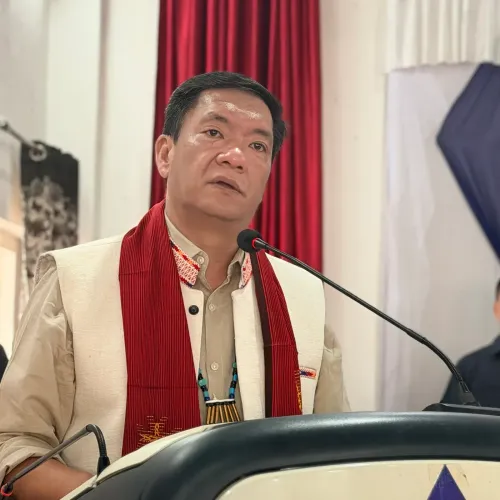
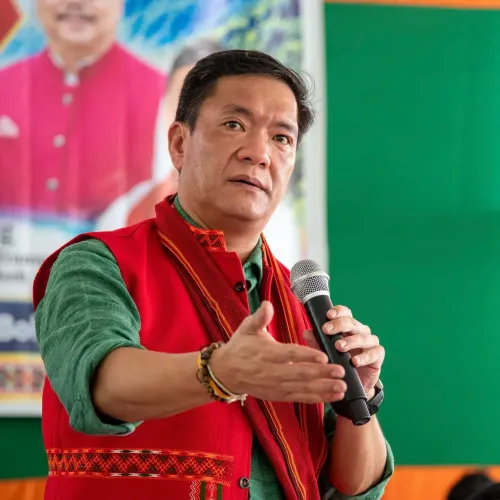
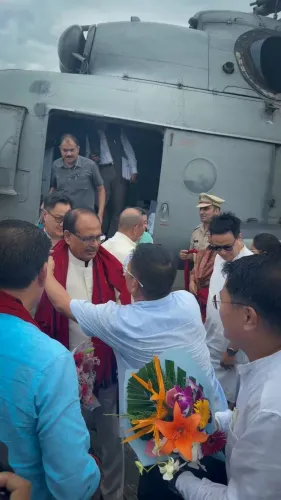
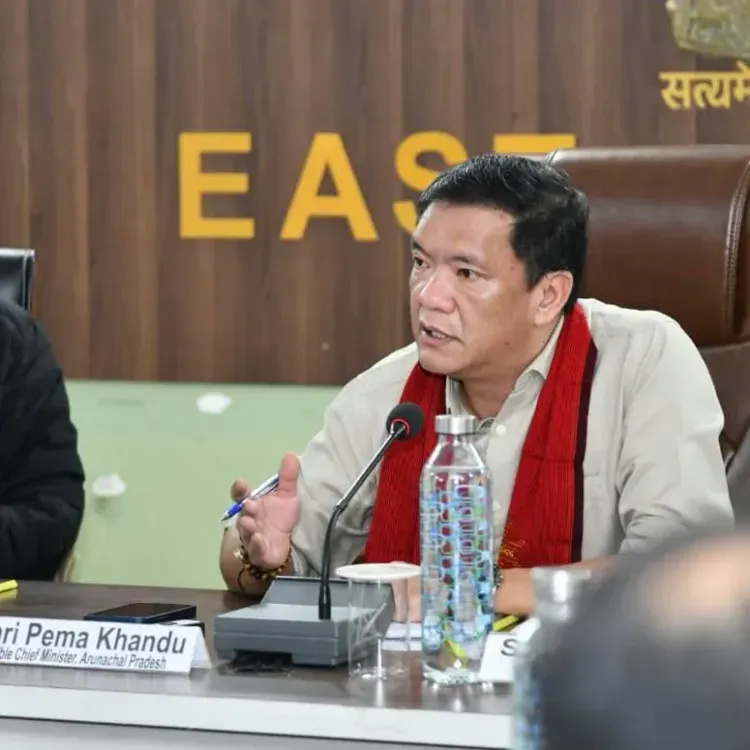
Arunachal Pradesh Chief Minister Pema Khandu chaired a wide public consultation at Pasighat on 5 October 2026, meeting Adi legislators, Adi Baane Kebang representatives, municipal councillors, and panchayat leaders to hear community concerns about the Siang river's future.
Key Takeaways
CM Pema Khandu held a community consultation at Pasighat on 5 October 2026 focused on the future of the Siang river .
Attendees included Adi community legislators , representatives of the Adi Baane Kebang (ABK) , Pasighat Municipal Council members, and panchayat leaders .
Khandu emphasised listening first, stating that 'any conversation about its future must begin with listening.' The Chief Minister described hearing 'valuable suggestions, important questions and genuine concerns' — acknowledging real community anxiety.
No specific project or policy announcement was made; the session was framed as confidence-building and information-sharing.
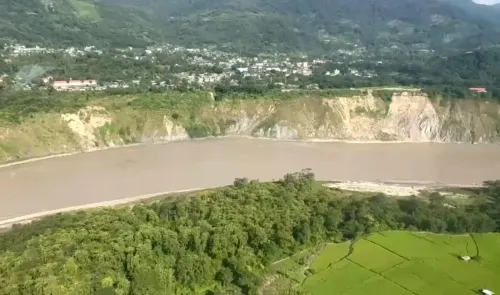
The Siang flows through East Siang district before forming the Brahmaputra , carrying deep cultural significance for the Adi people.
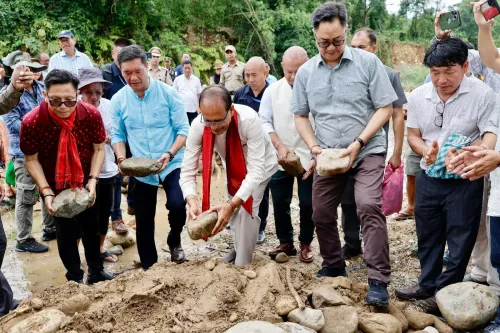
Before any blueprint is drawn, Arunachal Pradesh Chief Minister Pema Khandu insists the river must first be listened to — through the voices of the people who have lived beside it for generations. On Monday, 5 October 2026, Khandu convened a wide-ranging public consultation at Pasighat centred on the future of the Siang river, bringing together legislators, community bodies, local councillors, panchayat leaders, and residents who stand to be most directly affected by any decisions made about it.
Who spoke in Pasighat — and why it matters
The meeting brought together a notably broad cross-section of local authority. Legislators from the Adi community, representatives of the Adi Baane Kebang (ABK) — the apex socio-cultural body of the Adi tribe — members of the Pasighat Municipal Council, and panchayat leaders all participated. The Adi people are the predominant indigenous community along the Siang's banks in the East Siang district, and their relationship with the river is both ecological and deeply cultural.
Khandu described the outcome as a layered exchange: 'We heard valuable suggestions, important questions and genuine concerns.' That phrasing is deliberate — it acknowledges that not all voices in the room were simply supportive, and that anxiety about the river's future is real and widespread.
The Siang's weight — cultural and geographic
The Siang is the name the river carries through Arunachal Pradesh before it merges with the Lohit and Dibang to form the Brahmaputra in Assam. For the Adi community, it is not merely a water source or an economic artery — it is a civilisational reference point. Any large-scale intervention along the Siang corridor, whether infrastructure, hydropower, or flood-management, carries an outsized emotional and political charge for communities whose identity is rooted in the river valley.
Khandu acknowledged this directly, writing that 'The Siang carries deep meaning for the people who live along its banks' and that 'any conversation about its future must therefore begin with listening.'
Confidence-building over announcement-making
The Chief Minister's framing of the Pasighat session as confidence-building rather than decision-announcing is itself a signal. He described the conversations as 'essential to building confidence, allaying fears and ensuring that people have the information they need' — language that implies significant apprehension exists in the affected communities and that the government is conscious of it. No specific project, scheme, or policy outcome was declared at the meeting, suggesting this is the opening phase of a longer consultative process rather than a rubber-stamp exercise.
The involvement of the Adi Baane Kebang is particularly significant: the ABK has historically been vocal on issues touching Adi land, forest, and river rights, and its presence at the table signals that the state government is engaging organised community leadership, not bypassing it.
Point of View
Not an afterthought, for any intervention on the Siang. The careful, non-committal language around 'allaying fears' also suggests the government is aware it is operating in politically charged terrain where forced development has historically triggered tribal resistance. Whether this consultation translates into genuine co-governance or remains optics will determine the Siang's policy trajectory.
NationPress
5 Oct 2026
Frequently Asked Questions
Why did CM Pema Khandu hold a meeting about the Siang river at Pasighat?
CM Khandu convened the Pasighat meeting on 5 October 2026 to hear community perspectives — from Adi legislators, the Adi Baane Kebang, municipal councillors, and panchayat leaders — before any decisions are made about the Siang river's future.
What is the Adi Baane Kebang (ABK)?
The Adi Baane Kebang is the apex socio-cultural organisation of the Adi tribe, the predominant indigenous community living along the Siang river in Arunachal Pradesh's East Siang district.
What is the significance of the Siang river for local communities?
The Siang river is a civilisational and cultural reference point for the Adi people. It flows through East Siang district before merging with the Lohit and Dibang to form the Brahmaputra, making it ecologically and culturally critical.
Was any project or scheme announced at the Pasighat consultation?
No specific project or scheme was announced. The Chief Minister described the session as a confidence-building and information-sharing exercise, indicating this is the opening phase of a longer consultative process.
Where is Pasighat located?
Pasighat is the headquarters of East Siang district in Arunachal Pradesh, situated along the banks of the Siang river and considered one of the oldest towns in the state.