CM Fadnavis Chairs Water Planning Meet for Mumbai, Pune Metro Regions
Synopsis
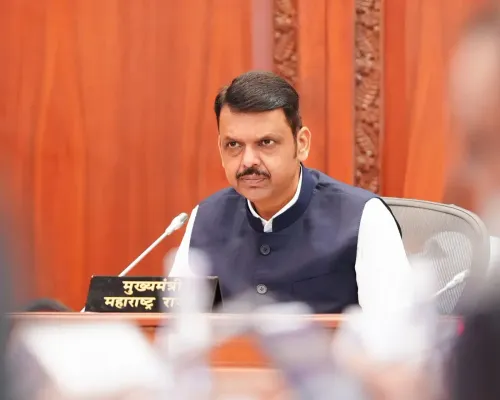
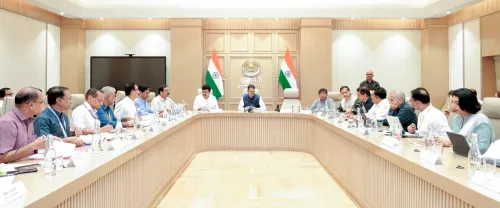
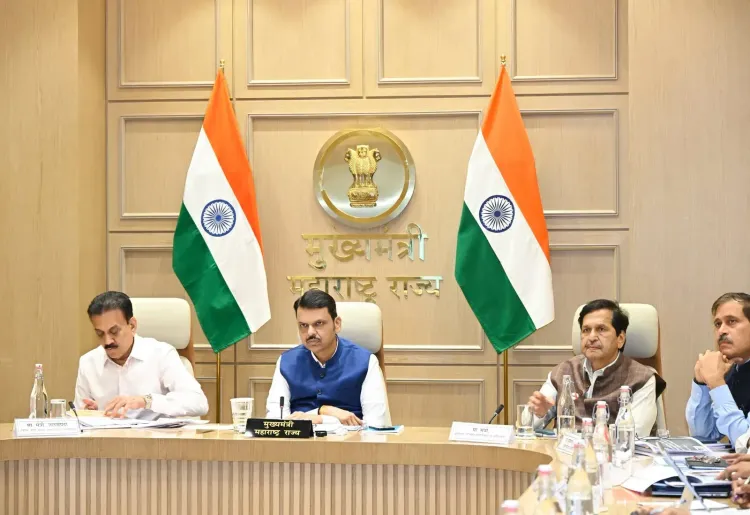
Chief Minister Devendra Fadnavis chaired a high-level water planning meeting at Varsha Bungalow, Mumbai on 20 November 2026, bringing together four senior ministers and officials to review water supply frameworks for the Mumbai and Pune Metropolitan Region Development Authority areas.
Key Takeaways
CM Devendra Fadnavis chaired the meeting at Varsha Bungalow, Mumbai at 12:50 PM on 20 November 2026 .
The meeting focused on water planning for both the Mumbai Metropolitan Region Development Authority (MMRDA) and Pune Metropolitan Region Development Authority (PMRDA) areas.
Four ministers were present: Mangal Prabhat Lodha , Girish Mahajan , Ashish Shelar , and Ganesh Naik , alongside senior officials.
Both metropolitan authorities were established in the 1970s and now govern rapidly expanded urban corridors facing growing water demand.
No specific decisions or project announcements have been disclosed yet; follow-up orders on augmentation projects or allocation norms are expected.
Water — not traffic, not housing — topped the agenda at Varsha Bungalow, Mumbai on Friday, 20 November 2026, as Chief Minister Devendra Fadnavis called together four senior ministers and top bureaucrats to tackle water planning across the Mumbai and Pune Metropolitan Region Development Authority areas. The meeting, convened at 12:50 PM, signals that the state is treating long-term water security for its two most populous metro corridors as a priority-level concern — not a departmental footnote.
Who Was in the Room — and Why It Matters
The Chief Minister's Office confirmed that Minister Mangal Prabhat Lodha, Minister Girish Mahajan, Minister Ashish Shelar, and Minister Ganesh Naik were all present alongside senior officials. The multi-minister composition is notable: Girish Mahajan has previously been closely associated with Maharashtra's water resources portfolio, and his presence alongside colleagues from different jurisdictions suggests the meeting was designed to cut across departmental silos rather than route decisions through a single ministry.
Maharashtra's Metro Water Challenge — Decades in the Making
The Mumbai Metropolitan Region Development Authority (MMRDA) and the Pune Metropolitan Region Development Authority (PMRDA) are both statutory bodies that have governed urban planning and infrastructure across their respective corridors since the 1970s. Both regions have expanded aggressively in the decades since, absorbing satellite towns, industrial clusters, and migrant populations that have stretched the original water allocation frameworks well beyond their design limits.
Maharashtra governments across administrations have periodically held exactly this kind of inter-ministerial review — bringing together the metropolitan authorities, water utilities, and political leadership — whenever seasonal shortages or rapid urban expansion threaten to outpace supply. That rhythm makes this meeting part of a recognisable state-level playbook, but the scale of both metros today gives each such review higher stakes than its predecessors.
What Comes Next for Mumbai and Pune Residents
The Chief Minister's Office has not yet disclosed specific decisions or project announcements from the meeting. The watch-list for the coming weeks includes any follow-up orders on water supply augmentation projects, revised allocation norms between the two metropolitan regions, or directives to the respective development authorities on infrastructure timelines. For the millions of urban residents in both corridors who navigate seasonal restrictions every year, the downstream announcements from a meeting like this can translate directly into pipeline hours and tanker queues.
Fadnavis, who has made infrastructure consolidation a consistent theme across his terms as Chief Minister, now has a ministerially reinforced mandate to push decisions on one of Maharashtra's most politically sensitive civic issues. What gets announced next will tell residents whether this was a planning session or a turning point.
Point of View
Not seasonal: decades of urban expansion have outpaced the allocation frameworks set when MMRDA and PMRDA were created. For Fadnavis, acting decisively on civic infrastructure before supply-stress becomes a political crisis is consistent with his broader governance style. The real test will be whether this meeting produces binding project timelines or remains another inter-ministerial deliberation that dissolves into routine departmental workflows.
NationPress
20 Nov 2026
Frequently Asked Questions
What was the water planning meeting chaired by CM Fadnavis about?
Chief Minister Devendra Fadnavis chaired a meeting on 20 November 2026 at Varsha Bungalow, Mumbai, to review water planning for the Mumbai and Pune Metropolitan Region Development Authority areas, with four senior ministers and senior officials in attendance.
Which ministers attended the Mumbai-Pune water planning meeting?
Ministers Mangal Prabhat Lodha, Girish Mahajan, Ashish Shelar, and Ganesh Naik attended the meeting alongside senior officials.
What is MMRDA and why is water planning important for it?
The Mumbai Metropolitan Region Development Authority (MMRDA) is a statutory body overseeing planning and infrastructure for the Mumbai metro region. Rapid urban expansion has strained original water allocation frameworks, making periodic reviews critical for ensuring supply to millions of residents.
What decisions were taken at the Fadnavis water meeting in November 2026?
The Chief Minister's Office has not yet disclosed specific decisions. Follow-up announcements on water supply augmentation projects or revised allocation norms for the two metropolitan regions are expected.
What is Varsha Bungalow in Mumbai?
Varsha Bungalow is the official residence of the Chief Minister of Maharashtra in Mumbai, commonly used for official meetings and government deliberations.