CM Fadnavis Targets 70 km Metro by 2027, Overhauls Mumbai Infra
Synopsis
Maharashtra CM Devendra Fadnavis chaired a CMO War Room meeting at Sahyadri Guest House on October 5, 2026, issuing sweeping directives: 70 km of Metro corridors by 2027, 50% mechanisation on projects, Sewri-Worli corridor completion by May 2027, and universal tap water for Mumbai households.
Key Takeaways
2027 declared 'Metro Year' with a target of at least 70 km of Metro corridors completed.
The 36-km Metro corridor planned for December 2026 has been expanded to 50 km on the same deadline.
All infrastructure projects directed to achieve at least 50% mechanisation to counter labour shortages.
The Sewri–Worli elevated corridor must be completed by May 31, 2027 with advance traffic planning at junctions.
MMRDA and Mumbai Municipal Corporation directed to map underground civic utilities for rapid project-time access.
A dedicated company to manage construction-site safety and a universal tap-water push under the Chhatrapati Sambhajinagar Water Supply Scheme announced.
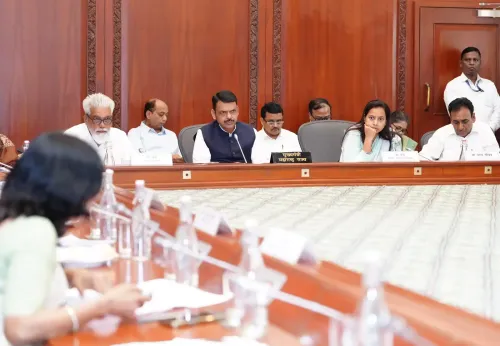
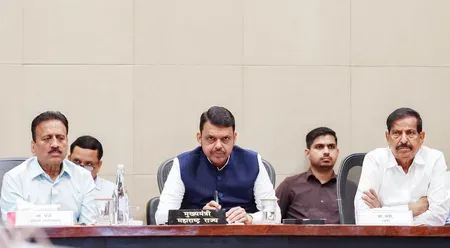
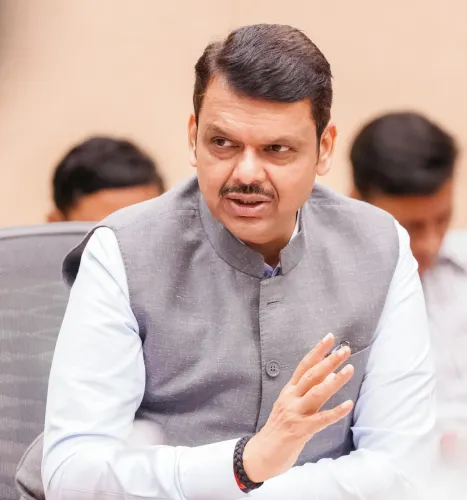
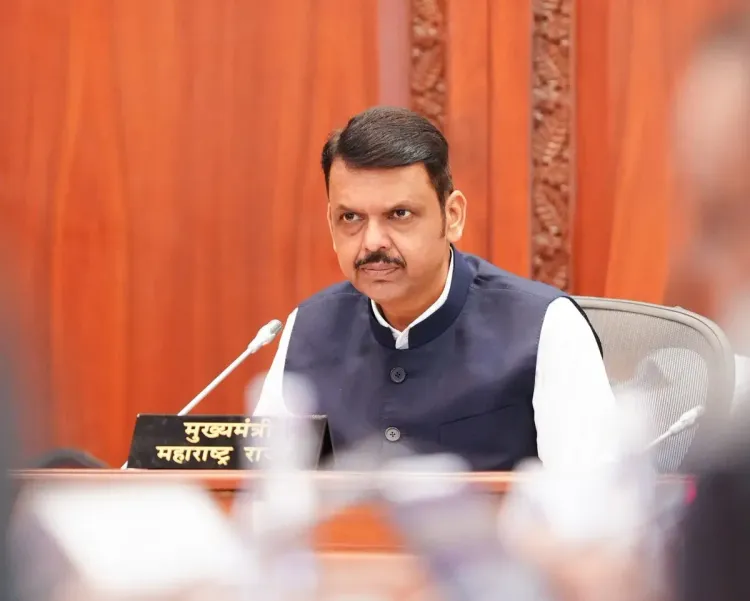
Mumbai's infrastructure clock is being reset — and Maharashtra Chief Minister Devendra Fadnavis is doing it from a war room. Chairing a 'CMO War Room' meeting at Sahyadri Guest House, Mumbai on Monday, October 5, 2026, Fadnavis issued a sweeping set of directives covering Metro timelines, highway congestion, water supply, and construction-site safety — signalling that the state is done with incremental progress.
2027 Declared the 'Metro Year' — 70 km or Bust
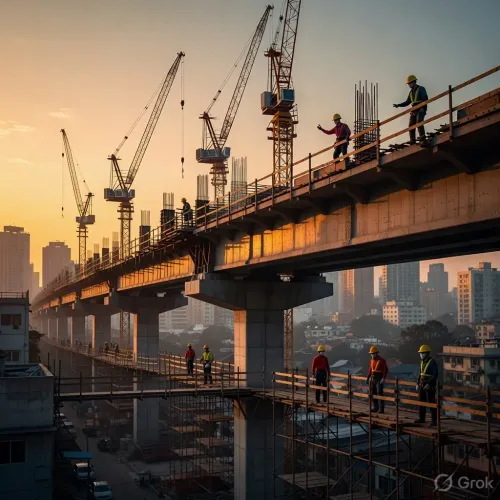
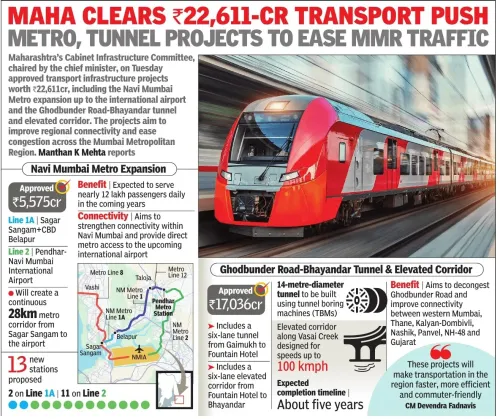
The centrepiece of the session: Fadnavis directed that 2027 be officially designated as the 'Metro Year' for Mumbai, with a hard target of at least 70 km of Metro corridors completed by that year. The immediate milestone is sharper still — officials were instructed to push the 36-km Metro corridor completion originally planned for December 2026 to 50 km, an expansion of nearly 40 percent on the same deadline. That kind of mid-course escalation tells you how much political capital is riding on the Metro network as a legacy project.
The CM also set a firm deadline for the Sewri–Worli elevated corridor connection: done by May 31, 2027, with advance traffic planning mandated at all connecting junctions. These two corridors together would dramatically reshape east-west and north-south movement across the city's dense southern spine.
Mechanisation, Congestion Relief, and the Vakola Problem
Speed without workforce is an old Mumbai infrastructure headache. Fadnavis addressed it directly, directing that all infrastructure projects achieve at least 50% mechanisation to offset labour shortages and keep completions on schedule. It is a structurally significant nudge — moving Mumbai's notoriously labour-intensive construction ecosystem toward machine-led execution.
On road congestion, the CM called out Vakola Junction by name, instructing authorities to immediately identify and implement technological solutions to ease the chronic bottleneck. He extended the mandate to the entire Western Express Highway, asking agencies to map congestion-prone locations and act. These are not aspirational goals — they are tracked, named, and accountable.
Underground Utilities Mapped, Safety Companies Created
MMRDA, the Mumbai Municipal Corporation, and related agencies received instructions to map all underground civic utilities and build a rapid-access information system so that digging into a water main or fibre line mid-project becomes a thing of the past. Anyone who has watched Mumbai roads get torn up, repaired, and torn up again will grasp the scale of this gap.
Fadnavis also directed that a dedicated company be established to manage safety arrangements — signage, barricading, site protection — across all project sites, with a mandate to develop a low-cost business model for these services. The institutionalisation of site safety as a standalone entity, rather than an afterthought, is a notable structural shift.
Tap Water for Every Home Under Chhatrapati Sambhajinagar Scheme
Rounding out the directives, Fadnavis instructed authorities to ensure that every household in Mumbai receives a tap water connection through the completion of the Chhatrapati Sambhajinagar Water Supply Scheme. Universal piped water in a city of Mumbai's density is a decades-old promise; anchoring it to a named scheme and a CMO-level review sharpens accountability considerably.
Minister of State Madhuritai Misal and senior officials were present at the meeting.
War rooms are only as effective as the follow-through they generate — and Mumbai's commuters, residents, and construction workers will deliver the verdict one corridor at a time.
Point of View
Which spiked post-pandemic and have never fully normalised. Whether a newly created safety company and utility-mapping systems can be stood up fast enough to match the accelerated Metro targets is the operational stress-test no war room can paper over.
NationPress
5 Oct 2026
Frequently Asked Questions
What is the Mumbai Metro 2027 target announced by CM Fadnavis?
CM Devendra Fadnavis has directed that at least 70 km of Metro corridors be completed by 2027, which he has designated as Mumbai's 'Metro Year'. As an interim target, the 36-km corridor originally planned for December 2026 has been expanded to 50 km.
When will the Sewri–Worli elevated corridor be completed?
CM Fadnavis set a deadline of May 31, 2027 for completing the Sewri–Worli elevated corridor connection, with advance traffic planning required at all connecting junctions.
What is the CMO War Room meeting in Mumbai?
The CMO War Room is a review mechanism chaired by the Chief Minister at Sahyadri Guest House, Mumbai, where senior officials from agencies like MMRDA and the Municipal Corporation are held directly accountable for infrastructure project progress and problem-solving.
What is the Chhatrapati Sambhajinagar Water Supply Scheme for Mumbai?
It is a water supply scheme under which CM Fadnavis has directed authorities to ensure every household in Mumbai receives a tap water connection, making universal piped water access a tracked government commitment.
How will Mumbai address labour shortages in infrastructure projects?
CM Fadnavis has directed that all infrastructure projects achieve at least 50% mechanisation to reduce dependence on manual labour, ensure timely project completion, and address recurring workforce shortages.