Khattar Hails PM SVANidhi for Empowering Street Vendors
Synopsis
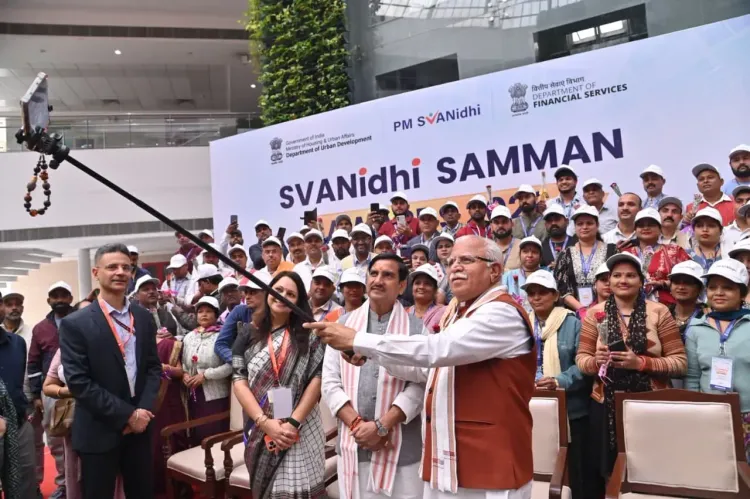
Union Minister Manohar Lal Khattar championed PM SVANidhi on 20 November 2026, calling the collateral-free loan scheme a vehicle for dignity and self-reliance for crores of street vendors, and praised the Svanidhi Samman Awards for rewarding top implementers.
Key Takeaways
PM SVANidhi was launched in June 2020 under the Atmanirbhar Bharat package, offering Rs 10,000 collateral-free working capital loans to street vendors impacted by COVID-19.
The scheme integrates vendors into the formal economy through repeated loan cycles, UPI linkage incentives , and social security enrolment.
The Svanidhi Samman Awards recognise outstanding implementation by states, UTs, urban local bodies, lending institutions, and partner organisations .
Union Minister Manohar Lal Khattar , who oversees Housing and Urban Affairs, framed street vendors as economic contributors deserving empowerment — not charity recipients.
Khattar called for collective resolve under PM Narendra Modi to deepen economic empowerment and social security for the urban informal workforce.
Millions of street vendors who once operated entirely outside the formal economy now have collateral-free credit, digital payment links, and a government that calls them architects of Atmanirbhar Bharat — and on Friday, 20 November 2026, Union Minister of Housing and Urban Affairs Manohar Lal Khattar made that case loudly, championing the PM SVANidhi scheme and the newly instituted Svanidhi Samman Awards in a post on X.
Khattar wrote that the scheme has given the country's crores of rehdi-patri bhai-behen (street-vendor brothers and sisters) far more than financial support — it has given them dignity, self-respect, and the opportunity to advance as self-reliant contributors to India's economy. 'Through collateral-free loans, financial inclusion and linkage to digital services, this scheme is empowering them and giving their livelihoods a new direction,' he said.
A COVID-Era Safety Net That Became a Formalisation Engine
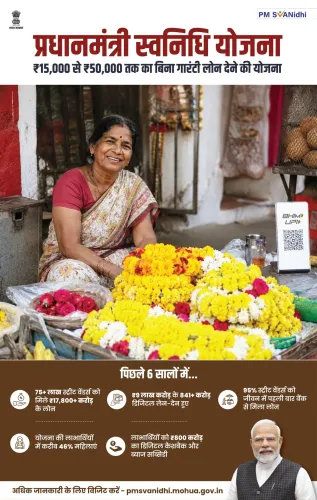
PM SVANidhi — Pradhan Mantri Street Vendor's AtmaNirbhar Nidhi — was launched in June 2020 as part of the Atmanirbhar Bharat economic package, specifically to cushion street vendors hammered by COVID-19 lockdown restrictions. The entry point was a modest Rs 10,000 collateral-free working capital loan, but the architecture went further: successive loan cycles, UPI transaction incentives, and social security coverage were woven in, turning what began as emergency relief into a systematic push to bring urban informal workers into the formal financial fold.
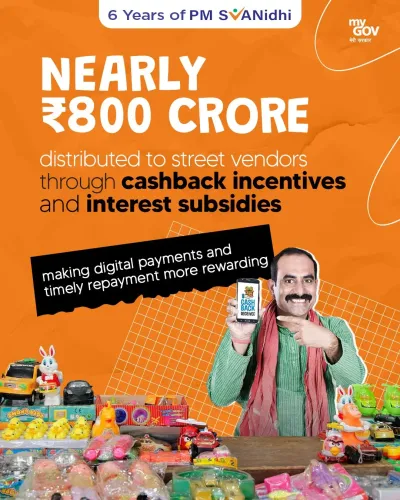
That integration is the scheme's distinguishing feature. A vendor who repays on time qualifies for a larger credit tranche; digital payment adoption earns cash-back rewards; and enrolment opens doors to government welfare schemes that were previously inaccessible to those without bank accounts or formal income records. The cumulative effect, the government argues, is structural uplift — not a one-time handout.
Svanidhi Samman Awards: Rewarding the Implementation Chain
Khattar's post also highlighted the Svanidhi Samman Awards, describing them as an innovative initiative to recognise outstanding contributions by states, Union Territories, urban local bodies (ULBs), lending institutions, and partner organisations in rolling out the scheme. The awards are significant precisely because SVANidhi's last-mile success depends entirely on the municipal machinery and banking correspondents who actually disburse loans and onboard vendors — without their performance, the scheme remains a Delhi announcement.
By publicly honouring high-performing implementers, the Ministry is using competitive recognition as a governance tool — nudging lagging states and ULBs to close the gap.
Khattar's Call to Strengthen the Pledge Under PM Modi
The minister closed with a direct appeal, urging collective action under the leadership of Prime Minister Narendra Modi to deepen the commitment to economic empowerment, social security, and dignified livelihoods for street vendors. 'Our street-vendor brothers and sisters, who strengthen the country's economy through their hard work and entrepreneurship, are the true deserving recipients of respect and empowerment,' he wrote — framing them not as beneficiaries of charity but as contributors owed their due.
India's urban informal workforce is vast, and street vending remains one of the most visible — and most precarious — forms of urban self-employment. SVANidhi's bet is that credit access and digital integration can convert that precariousness into resilience. Whether award ceremonies or expanded loan cycles accelerate that bet is the question every future disbursement report will have to answer.
Point of View
A playbook the Centre has deployed successfully in other flagship programmes. For the Housing and Urban Affairs portfolio, sustained visibility on street-vendor welfare also serves a political purpose — it positions the ministry as directly invested in the lives of one of urban India's most electorally significant informal-sector communities. The unanswered question is whether periodic awards and ministerial statements translate into measurable gains in repeat-loan uptake and vendor income stability.
NationPress
20 Nov 2026
Frequently Asked Questions
What is the PM SVANidhi scheme?
PM SVANidhi — Pradhan Mantri Street Vendor's AtmaNirbhar Nidhi — is a central government scheme launched in June 2020 that provides collateral-free working capital loans of Rs 10,000 to street vendors, with higher credit tranches available on timely repayment, along with UPI incentives and social security linkages.
Who is eligible for a PM SVANidhi loan?
Street vendors operating in urban areas, including those without formal documentation, are eligible for collateral-free working capital loans under PM SVANidhi, with enrolment facilitated through urban local bodies and designated lending institutions.
What are the Svanidhi Samman Awards?
The Svanidhi Samman Awards recognise outstanding contributions by states, Union Territories, urban local bodies, lending institutions, and partner organisations in effectively implementing the PM SVANidhi scheme and empowering street vendors.
What is Manohar Lal Khattar's role in PM SVANidhi?
As Union Minister of Housing and Urban Affairs, Manohar Lal Khattar oversees the ministry responsible for PM SVANidhi's implementation, making him a key figure in driving the scheme's coverage and the Svanidhi Samman Awards.
How does PM SVANidhi link street vendors to the formal economy?
PM SVANidhi links street vendors to the formal economy through collateral-free bank loans, cash-back incentives for UPI digital payments, and access to government social security schemes — creating a pathway from informal vending to documented financial participation.