CM Dhami Marks 6 Years of PM SVANidhi for Street Vendors
Synopsis
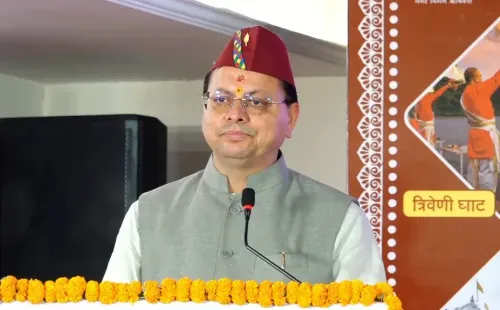
Uttarakhand Chief Minister Pushkar Singh Dhami on 1 June 2026 marked six years of PM SVANidhi, calling the collateral-free loan scheme a vehicle for dignity and self-reliance for street vendors. He reaffirmed Uttarakhand's commitment to delivering its benefits to every eligible beneficiary.
Key Takeaways
PM SVANidhi completed six years on 1 June 2026 , having been launched on 1 June 2020 to support street vendors hit by COVID-19 lockdowns.
CM Pushkar Singh Dhami described the scheme as providing 'dignity, self-confidence and the resolve of an AtmaNirbhar Bharat' beyond mere financial aid.
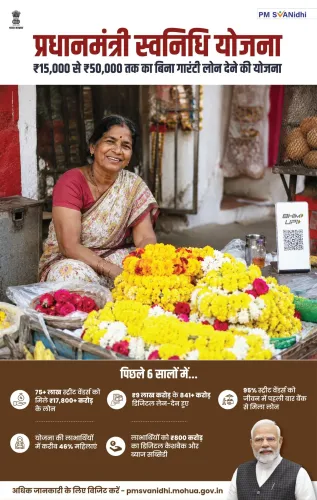
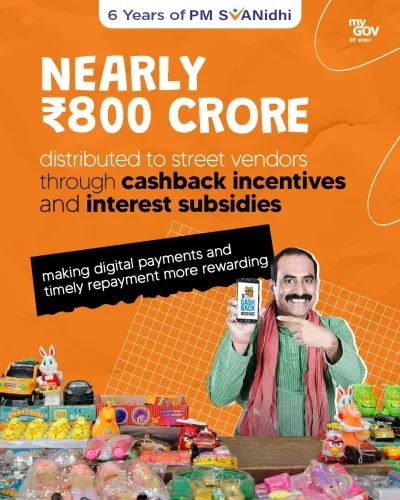
The scheme offers collateral-free working capital loans starting at Rs 10,000 , scaling upward on timely repayment, alongside digital payment incentives.
Dhami reaffirmed the Uttarakhand government's commitment to reaching every eligible beneficiary in the state in line with PM Modi's vision.
The programme targets formalisation of the urban informal economy by linking street vendors to banking and digital payment infrastructure.
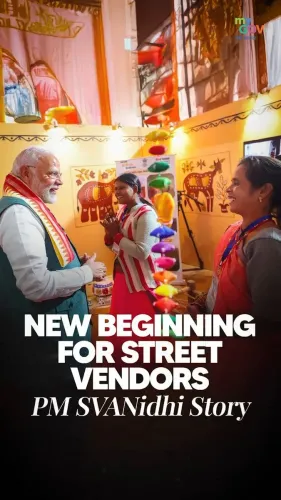
Uttarakhand Chief Minister Pushkar Singh Dhami on Monday, 1 June 2026 credited the PM SVANidhi scheme with bringing 'unprecedented transformation' to the lives of street vendors and footpath traders, marking six years of the centrally sponsored programme. Posting on X under the hashtag #6YearsofPMSVANidhi, Dhami reaffirmed his government's commitment to delivering the scheme's benefits to every eligible beneficiary in Uttarakhand.
Context
The PM Street Vendor's AtmaNirbhar Nidhi (PM SVANidhi) scheme was launched on 1 June 2020 by the Union government under Prime Minister Narendra Modi to extend collateral-free working capital loans to street vendors who had been economically disrupted by COVID-19 lockdowns. The scheme was designed as a first formal credit lifeline for millions of urban informal-sector workers who had historically been excluded from institutional finance.
Dhami's post, written in Hindi, described the scheme as 'not merely financial assistance, but a medium for strengthening dignity, self-confidence and the resolve of an AtmaNirbhar Bharat [self-reliant India].' He noted that small traders who had been 'neglected for decades' had through this scheme gained recognition, guarantee-free loans and a foundation for digital inclusion.
Policy Backdrop
At its core, PM SVANidhi operates through three tiers of collateral-free loans — starting at Rs 10,000 and scaling upward on timely repayment — coupled with incentives for digital transactions. The scheme targets the formalisation of the urban informal economy by linking vendors to banking infrastructure and digital payment ecosystems.
The programme sits within a broader policy architecture that includes financial inclusion drives and urban livelihood missions. State governments are responsible for identifying eligible vendors, facilitating loan disbursals through urban local bodies and banks, and onboarding beneficiaries onto digital payment platforms.
Stakeholders and Impact
The primary beneficiaries are street vendors, hawkers and footpath traders — a segment of the urban workforce that has traditionally operated outside formal credit channels. For these vendors, access to even small working capital loans without collateral represents a structural shift in their economic standing.
In Uttarakhand, the state government under Dhami has positioned itself as an active delivery arm of centrally sponsored welfare programmes. Dhami's post reflects the established practice of state BJP governments publicly aligning with Union government schemes to reinforce federal coordination and political messaging simultaneously.
What's Next
With the scheme completing six years, attention will turn to state-level progress on vendor loan disbursal rates, digital onboarding targets and any expansion of coverage or loan limits that the Union government may announce. Uttarakhand's own implementation metrics — including the number of vendors brought under formal credit and the volume of digital transactions recorded — will be a key indicator of how effectively the state has translated central policy into ground-level outcomes. Further phases or enhanced credit ceilings under PM SVANidhi could deepen the scheme's reach into semi-urban and peri-urban vendor communities across the state.
Point of View
Where PM SVANidhi has served as a visible, relatable welfare touchpoint. The six-year mark is likely to be used as a platform for fresh announcements or disbursal milestones at both the central and state level.
NationPress
21 Sept 2026
Frequently Asked Questions
What is the PM SVANidhi scheme?
PM SVANidhi, or PM Street Vendor's AtmaNirbhar Nidhi, is a central government scheme launched on 1 June 2020 to provide collateral-free working capital loans to street vendors, starting at Rs 10,000, with higher loan tiers available on timely repayment.
When was PM SVANidhi launched and why?
PM SVANidhi was launched on 1 June 2020 to support street vendors and footpath traders whose livelihoods were severely disrupted by COVID-19 lockdowns, giving them access to formal credit for the first time.
What did CM Dhami say about PM SVANidhi?
Uttarakhand Chief Minister Pushkar Singh Dhami said the scheme has brought 'unprecedented transformation' to street vendors' lives, calling it a medium for dignity, self-confidence and the AtmaNirbhar Bharat vision, not just financial assistance.
How does PM SVANidhi help street vendors?
The scheme provides collateral-free loans, links vendors to formal banking channels, and incentivises digital payments, helping formalise the urban informal sector and giving vendors a verifiable credit history.
Is PM SVANidhi available in Uttarakhand?
Yes. CM Pushkar Singh Dhami has stated that the Uttarakhand government is committed to delivering PM SVANidhi benefits to every eligible beneficiary in the state in line with the Union government's vision.