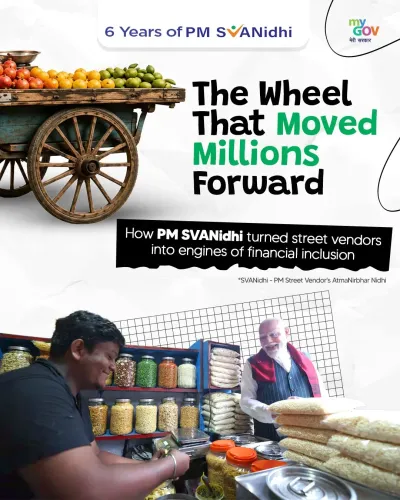
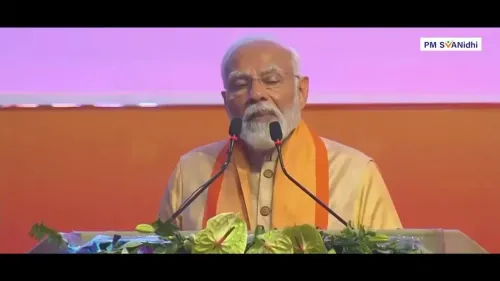
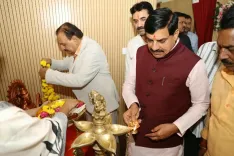
Shivraj Singh Chouhan marks 6 years of PM SVANidhi scheme
Synopsis
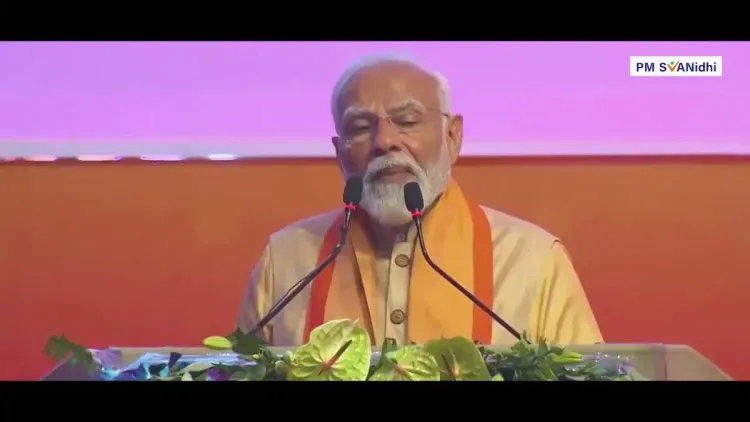
Union Agriculture Minister Shivraj Singh Chouhan on 1 June 2026 marked six years of PM SVANidhi, the collateral-free micro-credit scheme for street vendors launched in 2020 under PM Modi's Atmanirbhar Bharat package, calling it a milestone for economic empowerment and social dignity.
Key Takeaways
PM SVANidhi completed six years on 1 June 2026 , having been launched on 1 June 2020 under the Atmanirbhar Bharat stimulus.
The scheme provides collateral-free loans up to Rs 50,000 to street vendors and small traders, with incentives for digital transactions.
Union Minister Shivraj Singh Chouhan called it 'not merely a scheme but a campaign to connect a neglected section of society with the mainstream.' The scheme was administered under the Ministry of Housing and Urban Affairs and builds on earlier financial inclusion tools such as Jan Dhan and Mudra loans.
Chouhan linked the scheme to PM Modi 's broader vision of Atmanirbhar Bharat, framing it as a symbol of the government's commitment to the urban informal workforce.
Union Agriculture Minister Shivraj Singh Chouhan on Monday, 1 June 2026 marked the sixth anniversary of the PM SVANidhi scheme, lauding it as a transformative initiative that has brought collateral-free credit, digital transactions, and dignified livelihoods to lakhs of street vendors and small traders across India.
Context
Posting on X with the hashtag #6YearsOfPMSVANidhi, Chouhan wrote that the scheme, launched under Prime Minister Narendra Modi's leadership, has given 'a new flight to the dreams and new strength of self-reliance' (sapnon ko nayi udaan aur atmanirbharta ki nayi shakti) to hardworking street vendors and small traders. He described it as not merely a scheme but 'a campaign to connect that section of society with the mainstream that remained neglected for years.'
The minister added that PM SVANidhi has become 'an important milestone in realising the resolve of Atmanirbhar Bharat,' providing lakhs of families with a new foundation of trust, dignity, and self-reliance.
Policy backdrop
PM SVANidhi — formally the PM Street Vendor's AtmaNirbhar Nidhi — was launched on 1 June 2020 under the Ministry of Housing and Urban Affairs as part of the Atmanirbhar Bharat economic stimulus package announced in response to COVID-19 lockdowns. The scheme offers collateral-free working capital loans starting at Rs 10,000, scalable up to Rs 50,000 for repeat borrowers, along with incentives for digital transactions.
It builds on earlier financial inclusion instruments such as Jan Dhan accounts and Mudra loans, specifically targeting urban informal workers who had historically remained outside formal banking systems. The scheme is administered through scheduled commercial banks, regional rural banks, microfinance institutions, and self-help group bank linkages.
Stakeholders and impact
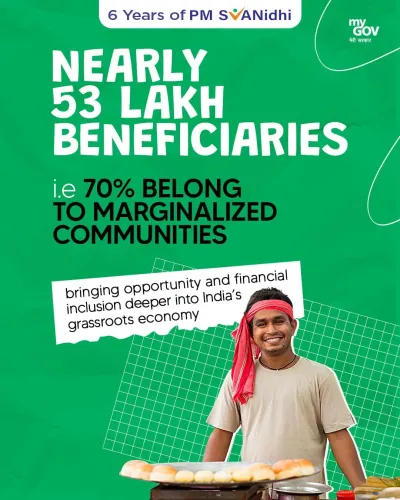
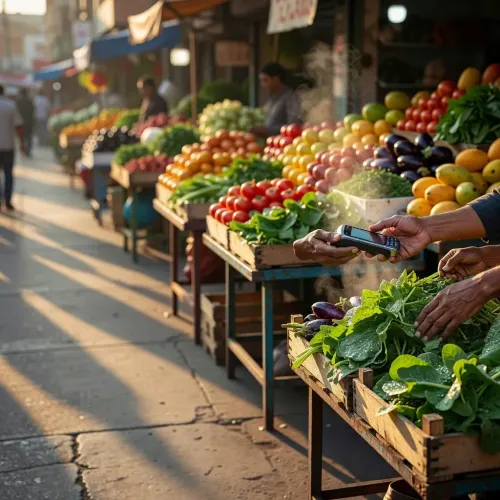
The primary beneficiaries are street vendors, hawkers, and small traders — a segment of the urban informal economy that was acutely exposed to income disruption during the pandemic. By providing access to formal credit without collateral requirements, the scheme aims to reduce dependence on informal moneylenders who typically charge prohibitive interest rates.
The digital transaction incentive component also nudges vendors toward cashless payments, integrating them into the broader digital economy. Chouhan's post underscores the government's framing of the scheme as an instrument of both economic empowerment and social dignity for a historically marginalised workforce.
What's next
Parliamentary committee reviews of scheme repayment data and a possible integration of PM SVANidhi with urban livelihood missions are being watched in the context of upcoming budget sessions. As the scheme completes six years, the government is expected to highlight cumulative disbursement figures and beneficiary counts to reinforce the programme's reach. The anniversary also sets the stage for potential announcements on expanding loan ceilings or extending coverage to new categories of informal workers.
Point of View
Positioning PM SVANidhi alongside Jan Dhan and Mudra as proof of the party's commitment to the urban poor. By invoking Atmanirbhar Bharat, the minister ties a Housing Ministry scheme to the broader economic self-reliance messaging that has been central to the Modi government's identity since 2020. The emphasis on 'dignity' and 'mainstream integration' signals an effort to reframe the street-vendor constituency — traditionally overlooked in urban policy — as a core BJP welfare beneficiary group. This pattern of senior ministers amplifying scheme anniversaries on social media reflects a coordinated communication strategy to keep flagship programmes visible in public discourse between major policy announcements.
NationPress
18 Oct 2026
Frequently Asked Questions
What is PM SVANidhi scheme and who can apply?
PM SVANidhi is a collateral-free micro-credit scheme launched on 1 June 2020 for street vendors and small traders, offering working capital loans starting at Rs 10,000 and scalable up to Rs 50,000 for repeat borrowers, along with incentives for digital transactions. Urban street vendors with a vending certificate or letter of recommendation from a town vending committee are eligible to apply through scheduled banks, regional rural banks, and microfinance institutions.
When was PM SVANidhi launched and by whom?
PM SVANidhi was launched on 1 June 2020 by the Ministry of Housing and Urban Affairs under Prime Minister Narendra Modi's Atmanirbhar Bharat economic stimulus package, which was announced in response to income disruptions caused by COVID-19 lockdowns.
Why is Shivraj Singh Chouhan talking about PM SVANidhi?
Union Agriculture Minister Shivraj Singh Chouhan posted on X on 1 June 2026 to mark the sixth anniversary of PM SVANidhi, praising it as a milestone for economic empowerment and social dignity for street vendors and small traders across India.
What is the maximum loan amount under PM SVANidhi?
Under PM SVANidhi, vendors can access collateral-free working capital loans up to Rs 50,000 . The scheme follows a graduated lending model: first-time borrowers receive Rs 10,000, with subsequent loan amounts increasing for those who repay on time.
How does PM SVANidhi relate to Atmanirbhar Bharat?
PM SVANidhi was announced as part of the Atmanirbhar Bharat economic stimulus package in May 2020, which aimed to support various sectors of the Indian economy affected by the pandemic. The scheme specifically targeted the urban informal sector, extending formal credit and digital payment access to workers previously outside the banking system.