CM Samrat Choudhary marks 6 years of PM SVANidhi scheme
Synopsis
Bihar CM Samrat Choudhary marked six years of PM SVANidhi on June 1, 2026, praising the scheme's collateral-free loans and digital payment incentives for street vendors as a cornerstone of PM Modi's Atmanirbhar Bharat agenda.
Key Takeaways
PM SVANidhi completed six years on June 1, 2026 , with Bihar CM Samrat Choudhary leading state-level anniversary messaging.
The scheme provides working capital loans of up to Rs 50,000 to street vendors with no collateral requirement.
Digital transaction incentives are a core component, designed to integrate informal vendors into the formal financial system.
PM SVANidhi was launched in June 2020 under the Atmanirbhar Bharat package to support vendors affected by COVID-19 lockdowns.
The scheme builds on earlier initiatives including Pradhan Mantri Mudra Yojana (2015) and the Jan Dhan programme.
State governments including Bihar are responsible for vendor registration and coordination with urban local bodies for implementation.
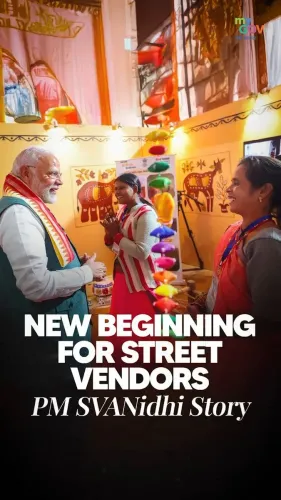
Bihar Chief Minister Samrat Choudhary on Monday, June 1, 2026, marked the sixth anniversary of the PM SVANidhi scheme, hailing it as a symbol of the Atmanirbhar Bharat resolve under Prime Minister Narendra Modi's leadership. The Chief Minister credited the scheme with economically empowering millions of street vendors through collateral-free loans, digital transaction incentives, and dignified livelihood opportunities.
Context
Choudhary posted in Hindi, writing that 'इस ऐतिहासिक पहल ने रेहड़ी-पटरी एवं फुटपाथ पर व्यवसाय करने वाले लाखों मेहनतकश साथियों को... आर्थिक रूप से सशक्त बनाया है' — translated: 'This historic initiative has economically empowered millions of hardworking street vendors and footpath traders through collateral-free credit, digital transactions, and opportunities for dignified livelihoods.' He described the scheme as a 'powerful identity of new India's confidence and prosperity.'
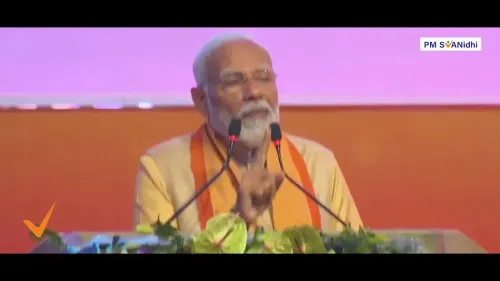
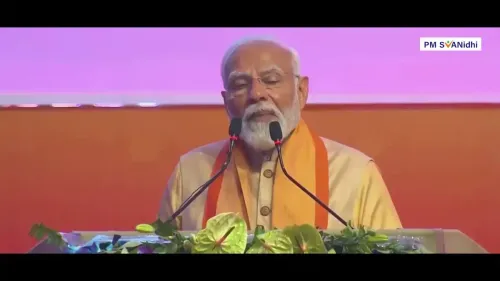
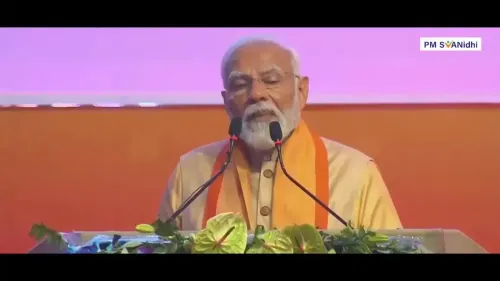
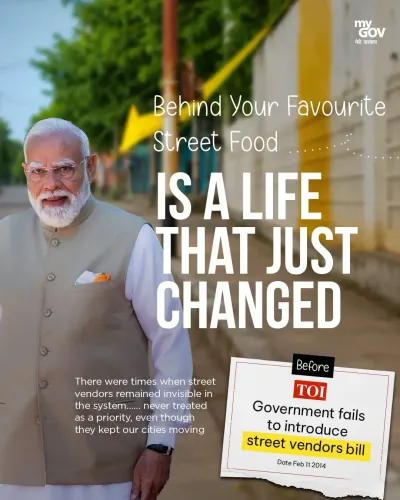
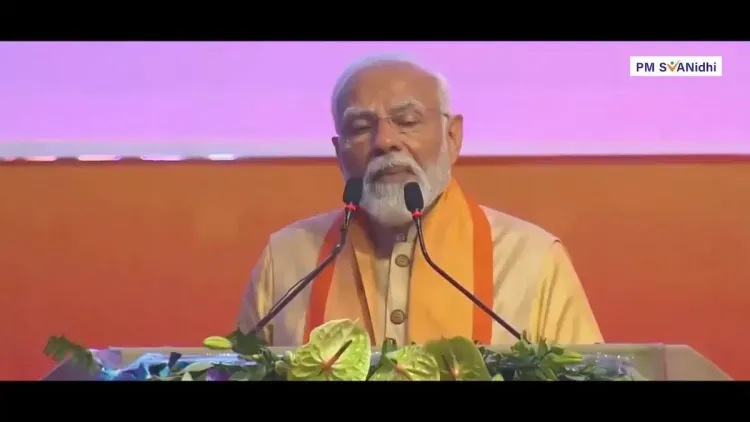
The post was accompanied by a video and was tagged #PMSVANidhi and #6YearsOfPMSVANidhi, joining a wave of anniversary messaging from BJP leaders across states amplifying the central government's welfare outreach narrative.
Policy Backdrop
The Pradhan Mantri Street Vendor's AtmaNirbhar Nidhi (PM SVANidhi) was launched in June 2020 as part of the broader Atmanirbhar Bharat economic package, originally designed to provide relief to street vendors whose livelihoods were disrupted by COVID-19 lockdowns. The scheme offers working capital loans of up to Rs 50,000 to registered street vendors without requiring any collateral, and provides incentives for adopting digital payment methods.
PM SVANidhi built on the architecture of earlier financial inclusion initiatives, notably the Pradhan Mantri Mudra Yojana launched in 2015, which extended micro-credit to non-corporate small businesses without collateral, and the Jan Dhan account programme that sought to bring unbanked households into the formal financial system. Together, these schemes form the central government's layered approach to integrating informal workers into the formal credit and digital economy.
Stakeholders and Impact
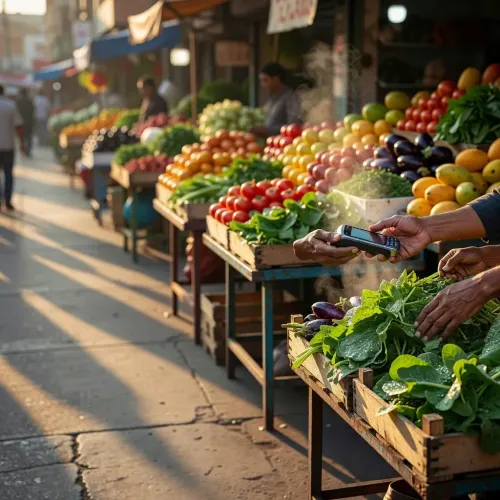
The primary beneficiaries of PM SVANidhi are urban street vendors — a large and historically underserved segment of India's informal workforce — including vendors of vegetables, fruits, ready-to-eat food, tea, and other daily goods. The scheme's digital transaction incentive component is designed to push vendors toward cashless payments, linking them to broader financial data trails that can improve their future credit eligibility.
State governments, including Bihar, have played a key role in implementation by facilitating vendor registration and coordinating with urban local bodies. Senior BJP leaders in states routinely amplify central scheme anniversaries to reinforce the connection between national policy and local delivery, particularly ahead of civic and assembly election cycles.
What's Next
The sixth anniversary milestone is expected to prompt a fresh round of outreach by state administrations on loan renewal drives and digital transaction targets. Bihar's next quarterly review of the scheme will be closely watched for progress on beneficiary onboarding and loan disbursement figures in the state. The anniversary messaging also signals continued political investment in the garib kalyan (poor welfare) narrative as a BJP electoral anchor heading into future election cycles.
Point of View
Not just credit, is deliberate: it positions the scheme beyond transactional welfare and into the register of social empowerment. With Bihar's next assembly cycle on the horizon, amplifying financial inclusion milestones serves a dual purpose — showcasing delivery and pre-empting opposition critiques on urban poverty. The pattern mirrors how the Mudra and Jan Dhan anniversaries were used in prior election build-ups.
NationPress
19 Sept 2026
Frequently Asked Questions
What is the PM SVANidhi scheme?
PM SVANidhi, or Pradhan Mantri Street Vendor's AtmaNirbhar Nidhi, is a central government scheme launched in June 2020 that provides collateral-free working capital loans of up to Rs 50,000 to registered street vendors, along with incentives for adopting digital payments.
When was PM SVANidhi launched and why?
PM SVANidhi was launched in June 2020 as part of the Atmanirbhar Bharat economic package to support street vendors whose livelihoods were severely disrupted by COVID-19 lockdowns.
What did Bihar CM Samrat Choudhary say about PM SVANidhi's anniversary?
Bihar CM Samrat Choudhary said the scheme's six years represent a new strengthening of the Atmanirbhar Bharat resolve, crediting it with empowering millions of street vendors through collateral-free credit, digital transactions, and dignified livelihood opportunities.
How much loan can street vendors get under PM SVANidhi?
Street vendors can receive working capital loans of up to Rs 50,000 under PM SVANidhi without needing to provide any collateral or guarantee.
How is PM SVANidhi different from PM Mudra Yojana?
While both schemes offer collateral-free credit to informal sector workers, PM SVANidhi is specifically targeted at registered street vendors and includes digital transaction incentives, whereas PM Mudra Yojana, launched in 2015, is broader and covers non-corporate small businesses across sectors.