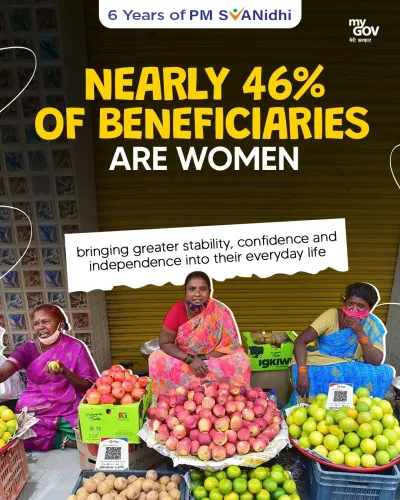
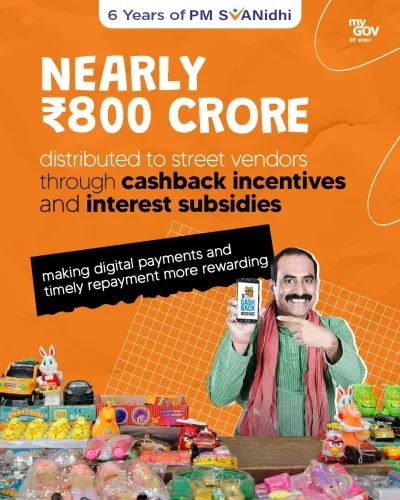
Sonowal Hails PM SVANidhi at 6-Year Mark
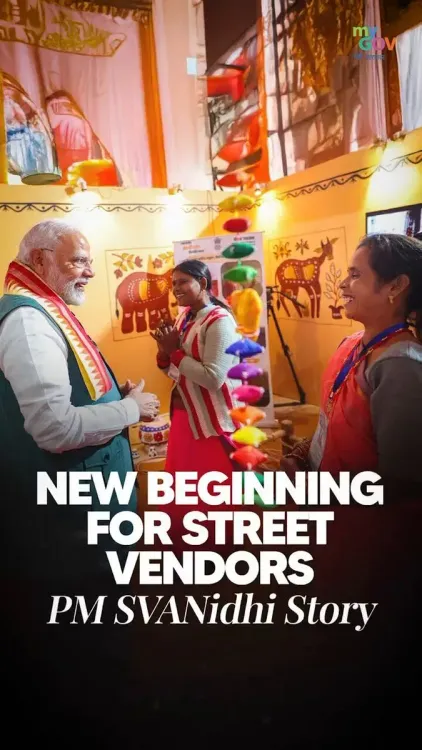
Synopsis
Union Minister Sarbananda Sonowal marked six years of PM SVANidhi on June 1, 2026, citing over 75 lakh street vendors empowered with collateral-free credit and more than ₹17,800 crore disbursed, framing the milestone as a stride toward an inclusive Atmanirbhar Bharat.
Key Takeaways
PM SVANidhi completed six years on June 1, 2026 , since its launch in June 2020 as a COVID-19 relief measure for street vendors.
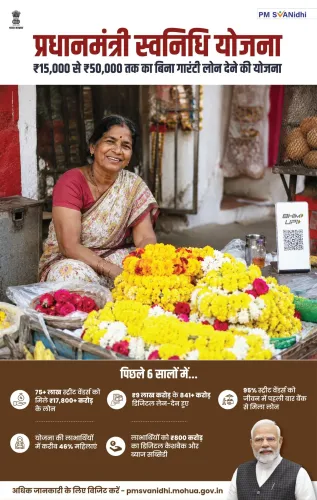
Over 75 lakh street vendors have received collateral-free working capital loans under the scheme, according to Minister Sonowal's post.
Total loans disbursed under PM SVANidhi have crossed ₹17,800 crore , with significant digital payment integration among beneficiaries.
The scheme is structured in three credit tranches — ₹10,000 , ₹20,000 , and ₹50,000 — with higher amounts unlocked through timely repayment.
Union Minister Sarbananda Sonowal positioned the milestone within PM Modi 's broader Atmanirbhar Bharat and financial inclusion agenda.
The Ministry of Housing and Urban Affairs is the nodal body overseeing the scheme's implementation and quarterly progress reporting.
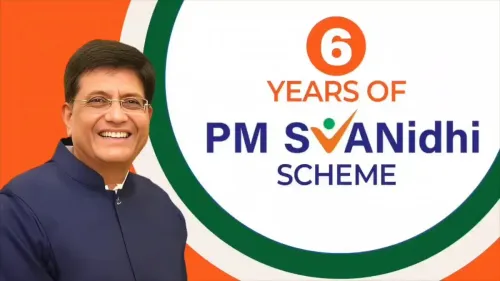
Union Minister of Ports, Shipping and Waterways Sarbananda Sonowal on Monday, June 1, 2026, marked six years of the PM Street Vendor's AtmaNirbhar Nidhi (PM SVANidhi) scheme, highlighting that it has empowered over 75 lakh street vendors with collateral-free credit since its launch in June 2020.
Context
Sonowal credited the scheme's reach to the vision of Prime Minister Narendra Modi, stating that PM SVANidhi has disbursed over ₹17,800 crore in loans and achieved 'massive digital integration' over the past six years. His post, carrying the hashtag #6YearsofPMSVANidhi, framed the milestone as a movement 'from the margins to the mainstream' for India's urban informal workforce.
The scheme was originally launched in June 2020 as an emergency measure to provide immediate working capital relief to street vendors whose livelihoods were disrupted by COVID-19 lockdowns. It offers micro-credit without requiring any collateral, making it accessible to vendors who are typically excluded from formal banking channels.
Policy Backdrop
PM SVANidhi sits within a broader financial inclusion architecture built since 2014, alongside Jan Dhan accounts, Pradhan Mantri Mudra Yojana loans, and a sustained push for digital payments. The scheme is administered by the Ministry of Housing and Urban Affairs and is structured in three tranches — initial loans of ₹10,000, scaling up to ₹20,000 and then ₹50,000 — rewarding timely repayment with access to higher credit.
Digital onboarding has been a central pillar of the scheme's design, with vendors encouraged to adopt UPI-based digital transactions. This integration is positioned as a gateway for street vendors to build a formal credit history, potentially unlocking further financial products over time.
Stakeholders and Impact
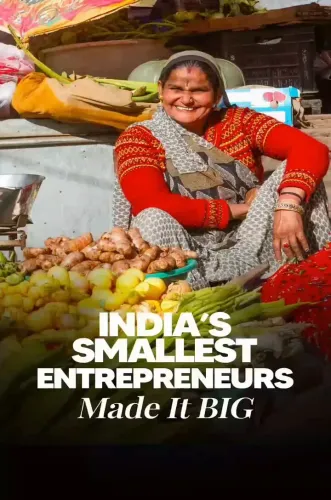
The primary beneficiaries are urban street vendors — a segment of the informal economy that includes hawkers, cart operators, and pavement sellers — who have historically lacked access to institutional credit. The scheme's reach across 75 lakh beneficiaries, as cited in Sonowal's post, represents a significant share of India's estimated urban vendor population.
For the BJP-led government, the six-year anniversary serves as a political and policy communication moment, reinforcing its Atmanirbhar Bharat narrative of self-reliance and grassroots economic empowerment. Sonowal, a senior party leader and former Chief Minister of Assam, amplifying the milestone underscores the scheme's cross-ministerial visibility within the ruling dispensation.
What's Next
The Ministry of Housing and Urban Affairs, which oversees PM SVANidhi, is expected to release the next quarterly progress report detailing loan disbursal figures and digital onboarding targets. Observers will watch whether the government announces an expansion of loan ceilings or a broader rollout to semi-urban and peri-urban vendor populations in the scheme's seventh year.
As India continues to formalise its informal sector, the trajectory of PM SVANidhi will be a key indicator of how effectively micro-credit schemes can bridge the gap between street-level enterprise and the mainstream financial system.
Point of View
Using welfare scheme milestones as a proxy for governance performance. Sonowal's amplification — despite his portfolio being unrelated to urban affairs — signals a party-wide messaging discipline around schemes that resonate with lower-income urban constituencies. The framing of 'margins to mainstream' is consistent with the government's long-running effort to position the informal sector as a beneficiary, not a casualty, of its economic model. How the scheme's next phase is designed — particularly on credit ceiling expansion and geographic reach — will determine whether this milestone is a high-water mark or a launchpad.
NationPress
15 Oct 2026
Frequently Asked Questions
What is PM SVANidhi scheme?
PM SVANidhi , or the PM Street Vendor's AtmaNirbhar Nidhi scheme, is a central government programme launched in June 2020 that provides collateral-free working capital loans to urban street vendors. It was initially designed to help vendors recover from COVID-19 lockdown disruptions and has since expanded into a broader financial inclusion initiative.
How many street vendors have benefited from PM SVANidhi?
According to a post by Union Minister Sarbananda Sonowal on June 1, 2026 , over 75 lakh street vendors have been empowered under PM SVANidhi since the scheme's launch six years ago.
How much money has been disbursed under PM SVANidhi?
Minister Sonowal's post states that more than ₹17,800 crore in loans has been disbursed under PM SVANidhi over the scheme's six-year run.
Who administers the PM SVANidhi scheme?
PM SVANidhi is administered by the Ministry of Housing and Urban Affairs , which periodically releases progress reports on loan disbursal and digital onboarding under the scheme.
What is the maximum loan available under PM SVANidhi?
The scheme offers credit in three tranches: an initial loan of ₹10,000 , followed by ₹20,000 , and then up to ₹50,000 , with vendors qualifying for higher amounts by repaying earlier loans on time.