Amit Shah marks 6 years of PM SVANidhi, cites 75 lakh vendors aided
Synopsis
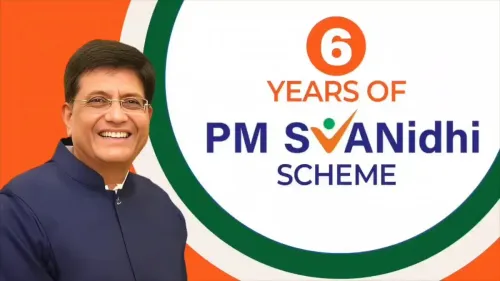
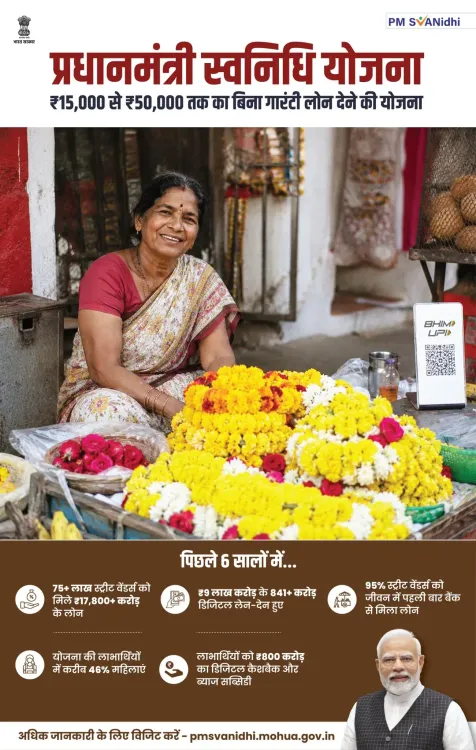
Union Home Minister Amit Shah marked six years of PM SVANidhi on June 1, 2026, stating the Modi government has provided collateral-free loans worth over ₹17,800 crore to more than 75 lakh street vendors, with over 50 lakh families now benefiting from the scheme.
Key Takeaways
PM SVANidhi completed six years on June 1, 2026 , with Union Home Minister Amit Shah marking the anniversary on X.
Over 75 lakh street vendors have received collateral-free loans totalling more than ₹17,800 crore under the scheme.
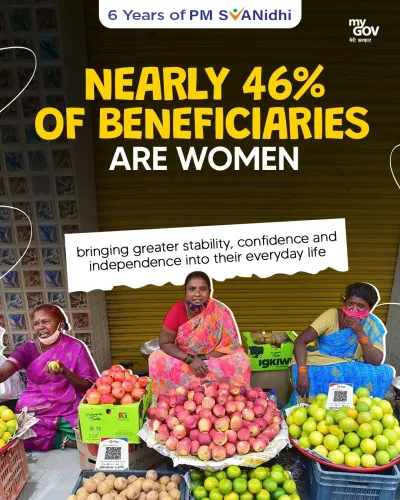
More than 50 lakh families have been benefited through PM SVANidhi , according to Shah's post.
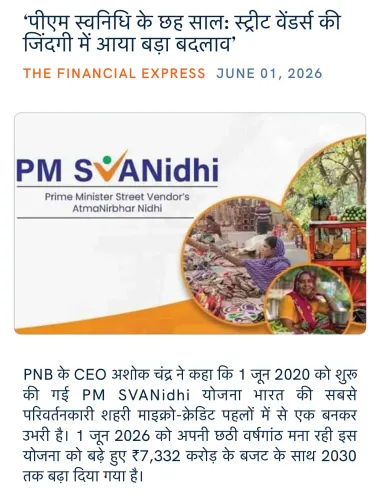
The scheme was launched in June 2020 under the Atmanirbhar Bharat package by the Ministry of Housing and Urban Affairs to support vendors hit by COVID-19 lockdowns.
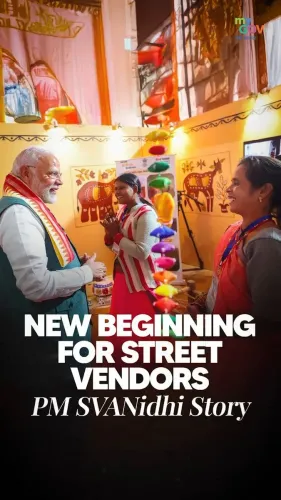
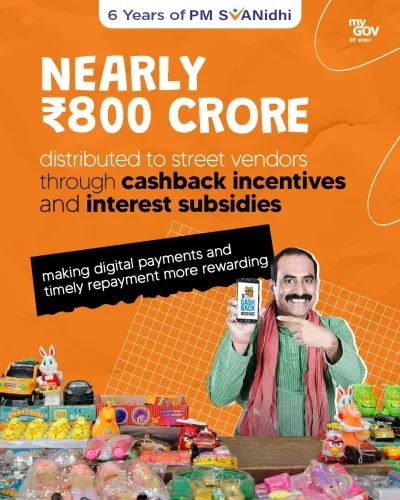
The programme provides collateral-free working capital loans and incentivises digital payments and repeat borrowing among urban informal sector vendors.
Union Home Minister Amit Shah on Monday, June 1, 2026, highlighted the sixth anniversary of the PM SVANidhi scheme, stating that the Modi government has disbursed collateral-free loans worth over ₹17,800 crore to more than 75 lakh street vendors since the scheme's launch, with over 50 lakh families now benefiting through the programme.
Context
Shah posted in Hindi, writing: 'मोदी सरकार रेहड़ी-पटरी विक्रेताओं को बिना गारंटी ऋण उपलब्ध कराकर आत्मनिर्भर बनाने और आर्थिक सुरक्षा प्रदान करने का कार्य कर रही है' ('The Modi government is working to make street vendors self-reliant and provide them economic security by making guarantee-free loans available to them'). The post was tagged under the hashtag #6YearsOfPMSVANidhi, marking the scheme's sixth year of operation.
Shah added that more than 50 lakh families have been benefited through PM SVANidhi and are contributing to the building of a Viksit Bharat (Developed India). The statement underlines the government's framing of the scheme as a pillar of its broader Atmanirbhar Bharat agenda.
Policy Backdrop
PM SVANidhi — the PM Street Vendor's AtmaNirbhar Nidhi scheme — was launched in June 2020 by the Ministry of Housing and Urban Affairs as part of the pandemic-era Atmanirbhar Bharat stimulus package. It was designed to extend collateral-free working capital loans of up to ₹10,000 to urban street vendors whose livelihoods were disrupted by COVID-19 lockdowns.
The scheme operates as a central sector programme and has progressively expanded its reach, targeting the large segment of the urban informal economy that has historically depended on high-interest loans from informal moneylenders. Vendors who repay on time are eligible for enhanced credit in subsequent loan cycles, incentivising formal financial behaviour.
Stakeholders and Impact
India's urban street vending sector is estimated to involve upwards of one crore vendors, spanning vegetable sellers, food cart operators, cobblers, and small-goods traders. By extending institutional credit to this group, the scheme aims to reduce their vulnerability to predatory lending and integrate them into the formal financial system.
Over 50 lakh families, according to Shah's post, have been benefited — a figure that reflects both the primary borrowers and their dependents. The scheme also links vendors to digital payment infrastructure, nudging adoption of cashless transactions in the informal sector.
What's Next
With the scheme now completing six years, attention will turn to whether the government announces enhancements — such as higher loan ceilings, deeper integration with urban livelihood missions, or expanded eligibility — in upcoming policy cycles. Analysts and welfare economists will watch for data on repeat borrowing rates and income improvements among beneficiary households as indicators of the scheme's long-term effectiveness in building financial resilience among India's street vendor community.
Point of View
Financial inclusion, and the Atmanirbhar Bharat narrative — all politically potent ahead of any electoral cycle. By anchoring the message in concrete numbers — 75 lakh vendors, ₹17,800 crore, 50 lakh families — the BJP is reinforcing its outreach to the urban informal working class, a constituency that has historically been outside the ambit of formal government welfare. The scheme's design, linking collateral-free credit to digital payments and repeat-loan eligibility, also serves the government's broader push to formalise the informal economy. Whether the cited beneficiary figures translate into sustained income gains for vendor households remains the key policy question that will define the scheme's long-term legacy.
NationPress
21 Oct 2026
Frequently Asked Questions
What is PM SVANidhi scheme?
PM SVANidhi — PM Street Vendor's AtmaNirbhar Nidhi — is a central government scheme launched in June 2020 to provide collateral-free working capital loans to urban street vendors, initially up to ₹10,000, with higher credit available on timely repayment.
How many vendors have benefited from PM SVANidhi?
According to a post by Union Home Minister Amit Shah on June 1, 2026, more than 75 lakh vendors have received loans under PM SVANidhi, and over 50 lakh families have benefited from the scheme.
How much money has been disbursed under PM SVANidhi?
Amit Shah stated that loans worth more than ₹17,800 crore have been distributed under PM SVANidhi since the scheme's launch in June 2020.
Who launched PM SVANidhi and when?
PM SVANidhi was launched by the Modi government in June 2020 under the Ministry of Housing and Urban Affairs as part of the Atmanirbhar Bharat stimulus package to support street vendors affected by COVID-19 lockdowns.
What is the Atmanirbhar Bharat scheme for street vendors?
PM SVANidhi is the primary Atmanirbhar Bharat initiative targeting street vendors, offering collateral-free micro-credit to help them rebuild livelihoods post-pandemic and reduce dependence on informal moneylenders.