FM Sitharaman marks 6 years of PM SVANidhi scheme
Synopsis
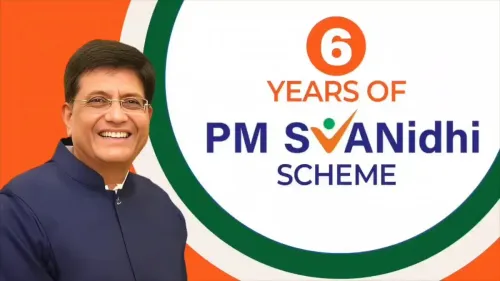
Union Finance Minister Nirmala Sitharaman on June 1, 2026, marked six years of PM SVANidhi, the collateral-free micro-credit scheme for street vendors launched in 2020, describing it as a model of inclusive growth and ground-level economic empowerment.
Key Takeaways
PM SVANidhi completed six years on June 1, 2026 , with Finance Minister Sitharaman marking the anniversary on social media.
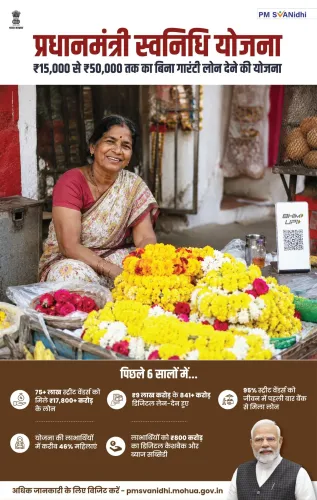
The scheme offers collateral-free working capital loans of up to Rs 50,000 to street vendors, with interest subsidies and digital repayment tracking.
It was launched in June 2020 under the Atmanirbhar Bharat package to support vendors affected by COVID-19 lockdowns.
The Ministry of Housing and Urban Affairs is the nodal agency overseeing the scheme's implementation across urban India.
The scheme complements Mudra Yojana and Jan Dhan accounts as part of India's broader financial inclusion architecture.
Possible next steps include expanded loan limits, credit guarantee integration, and fresh allocations in the upcoming Union Budget .
Union Finance Minister Nirmala Sitharaman on Monday, June 1, 2026, marked the sixth anniversary of the PM SVANidhi scheme, calling it a 'shining example of inclusive growth and economic empowerment at the ground level' for millions of street vendors across India.
Context
PM SVANidhi — short for Pradhan Mantri Street Vendor's AtmaNirbhar Nidhi — was launched in June 2020 as part of the Atmanirbhar Bharat stimulus package. It was designed specifically to rehabilitate street vendors whose livelihoods had been devastated by COVID-19 lockdowns. The scheme provides collateral-free working capital loans of up to Rs 50,000, backed by interest subsidies and digital repayment tracking.
Sitharaman stated that over the past six years, the scheme 'has enabled millions of street vendors to access easy credit and build sustainable livelihoods.' The Ministry of Housing and Urban Affairs serves as the nodal ministry for its implementation across cities and towns.
Policy Backdrop
PM SVANidhi sits within a broader post-2014 policy architecture aimed at drawing informal-sector workers into the formal financial system. It complements flagship initiatives such as Mudra Yojana and Jan Dhan accounts, which together form the spine of India's last-mile financial inclusion strategy.
The scheme's design — combining micro-credit access, interest subvention, and digital transaction incentives — reflects a consistent government preference for targeted micro-enterprise support rather than large-scale direct cash transfers. It represents one of the few urban-focused welfare instruments in an otherwise agriculture-and-rural-heavy social protection portfolio.
Stakeholders and Impact
The primary beneficiaries are street vendors and urban informal workers — a segment historically excluded from formal banking channels due to lack of collateral or credit history. By offering collateral-free loans with a digital repayment trail, the scheme has sought to build credit profiles for first-time borrowers, potentially opening doors to larger institutional credit in the future.
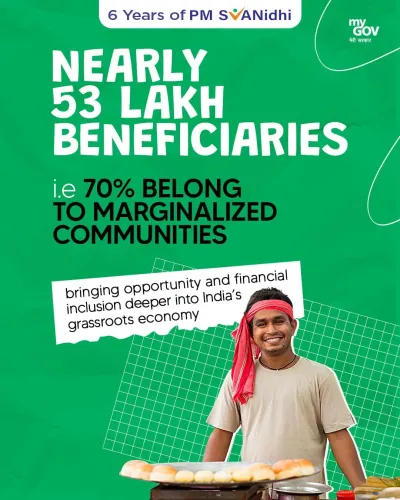
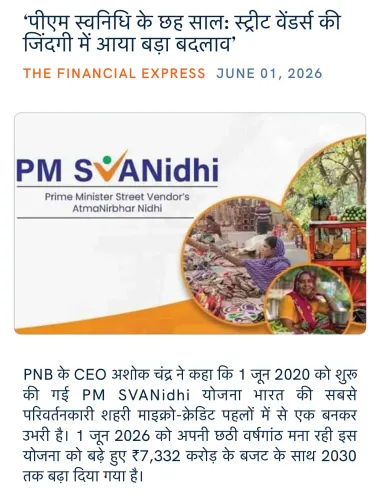
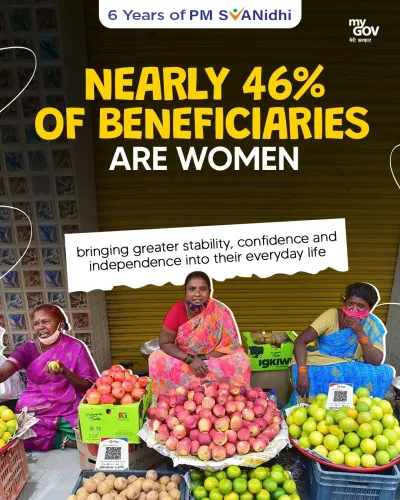
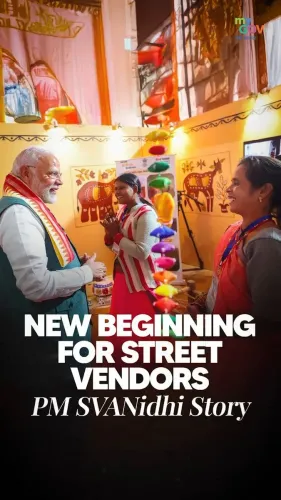
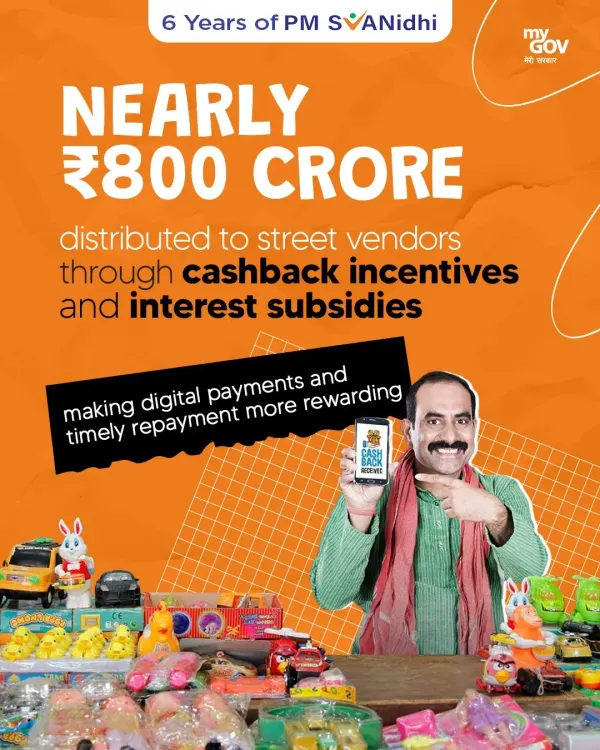
Sitharaman's framing of the anniversary as a marker of 'inclusive growth' signals the government's intent to position the scheme as a model for urban livelihood policy. Her post, tagged #6YearsofPMSVANidhi, was accompanied by four images, suggesting a visual documentation of the scheme's on-ground reach.
What's Next
Policy watchers are looking ahead to possible enhancements in the next Union Budget and urban housing policy updates — including a potential expansion of loan limits, integration with credit guarantee mechanisms, or fresh budgetary allocations to deepen the scheme's reach. The sixth-anniversary communication from a senior Cabinet minister is likely to precede formal government announcements on the scheme's next phase.
As India's urban informal workforce continues to grow, the longevity and evolution of PM SVANidhi will be a key indicator of whether micro-credit-led empowerment can translate into durable livelihood security at scale.
Point of View
Reinforcing the BJP government's narrative of 'inclusive growth' ahead of a budget cycle where urban welfare spending will face scrutiny. By anchoring the tribute in the language of economic empowerment rather than charity, the government signals a preference for credit-led uplift as a sustainable model. The timing also positions PM SVANidhi as a replicable template — one the government may seek to scale or replicate in other informal-sector segments. For the opposition, the anniversary offers an opportunity to demand verifiable beneficiary data, which the government has so far not placed squarely in the public domain.
NationPress
18 Oct 2026
Frequently Asked Questions
What is PM SVANidhi scheme?
PM SVANidhi, or Pradhan Mantri Street Vendor's AtmaNirbhar Nidhi, is a central government scheme launched in June 2020 that provides collateral-free working capital loans of up to Rs 50,000 to street vendors, along with interest subsidies and incentives for digital transactions.
When was PM SVANidhi launched?
PM SVANidhi was launched in June 2020 as part of the Atmanirbhar Bharat stimulus package to support street vendors whose incomes were disrupted by COVID-19 lockdowns.
Who is the nodal ministry for PM SVANidhi?
The Ministry of Housing and Urban Affairs is the nodal ministry responsible for implementing PM SVANidhi across cities and towns in India.
How much loan can a street vendor get under PM SVANidhi?
Street vendors can avail collateral-free working capital loans of up to Rs 50,000 under PM SVANidhi, with the loan limit increasing in stages based on timely repayment.
Why did Nirmala Sitharaman post about PM SVANidhi on June 1 2026?
Finance Minister Nirmala Sitharaman posted to mark the sixth anniversary of PM SVANidhi, describing it as a model of inclusive growth and economic empowerment for millions of street vendors across India.