Rijiju marks 6 years of PM SVANidhi, cites 75 lakh vendors aided

Synopsis
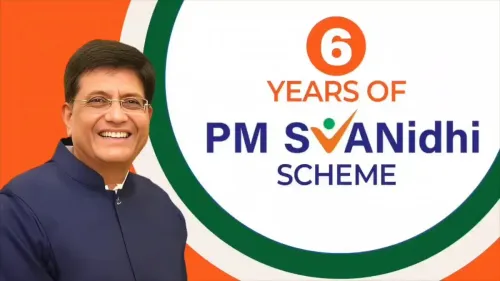
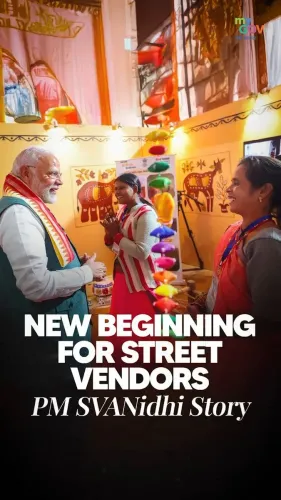
Union Minister Kiren Rijiju on 1 June 2026 marked six years of PM SVANidhi, crediting the micro-credit scheme with empowering over 75 lakh street vendors through formal loans, digital access, and economic security since its COVID-era launch in 2020.
Key Takeaways
PM SVANidhi completed six years on 1 June 2026 , launched originally on 1 June 2020 under the Atmanirbhar Bharat Abhiyan .
Union Minister Kiren Rijiju stated the scheme has empowered over 75 lakh street vendors with formal financial support.
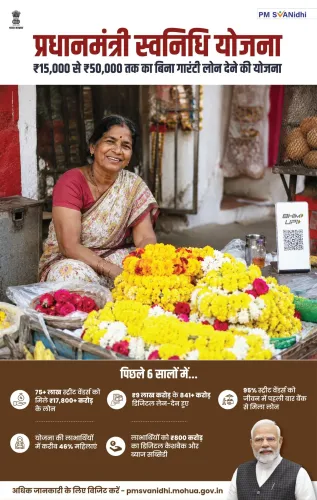
The scheme provides collateral-free working capital loans of up to Rs 50,000 , with successive tranches for timely repayers.
Digital access and UPI linkages are core features, connecting informal vendors to the formal financial system for the first time.
The nodal ministry is the Ministry of Housing and Urban Affairs , which implements the scheme through urban local bodies.
The programme builds on earlier financial inclusion initiatives including Jan Dhan accounts and Mudra loans.
Union Parliamentary Affairs Minister Kiren Rijiju on Monday, 1 June 2026 marked the sixth anniversary of the PM SVANidhi scheme, stating that the micro-credit programme has empowered over 75 lakh street vendors with formal financial support, digital access, and greater economic security.
Context
PM SVANidhi — the PM Street Vendor's AtmaNirbhar Nidhi scheme — was launched on 1 June 2020 as part of the Atmanirbhar Bharat Abhiyan, the central government's economic relief package in response to the COVID-19 pandemic. The scheme was designed to extend collateral-free working capital loans to street vendors whose livelihoods had been disrupted by lockdowns. Rijiju's post, carrying the hashtag #6YearsofPMSVANidhi, described the programme as 'turning resilience into opportunity and livelihoods into engines of growth.'
The scheme provides working capital loans of up to Rs 50,000 to eligible street vendors, with successive loan tranches available to those who repay on time. Digital onboarding and UPI-linked transactions have been central to the programme's design, connecting informal vendors to the formal financial ecosystem for the first time.
Policy Backdrop
The Ministry of Housing and Urban Affairs is the nodal ministry responsible for implementing PM SVANidhi, working through urban local bodies and state governments to identify and onboard eligible vendors. The scheme sits within a broader architecture of financial inclusion initiatives, building on earlier programmes such as Jan Dhan accounts and Mudra loans, while adding a vendor-specific focus on working-capital needs.
The programme's emphasis on digital payments has been used to generate a credit history for vendors who previously operated entirely outside the formal banking system. This credit footprint is intended to improve their access to mainstream financial products over time, reducing dependence on informal moneylenders who typically charge significantly higher interest rates.
Stakeholders and Impact
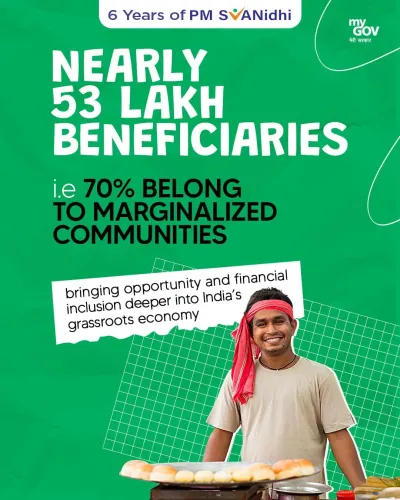
Street vendors constitute a significant segment of India's urban informal workforce, operating across cities and towns as mobile traders, push-cart sellers, and small-stall owners. The scheme's stated beneficiary count of over 75 lakh vendors, as cited by Rijiju, reflects the scale at which the government has sought to extend formal credit to this traditionally excluded group.
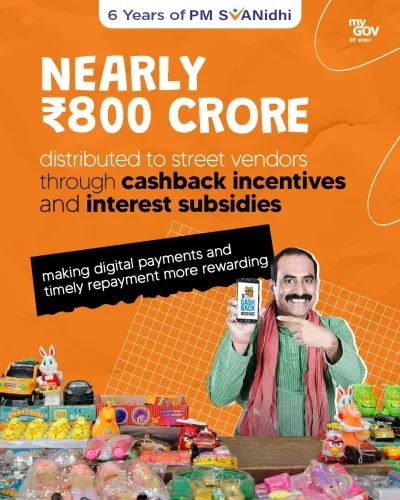
For beneficiaries, the practical impact includes access to interest subsidy on prompt repayment, a pathway to larger loan tranches, and integration with digital payment infrastructure. Urban local bodies have been tasked with vendor surveys and issuance of certificates of vending, which serve as the entry point into the scheme.
What's Next
Parliamentary scrutiny of PM SVANidhi's performance — including repayment data, beneficiary verification, and state-wise coverage — is expected during upcoming legislative sessions. Any announcements on further loan tranches, enhanced credit limits, or integration with new urban livelihood missions would represent the next phase of the programme's evolution.
As the scheme enters its seventh year, the government's focus is likely to shift toward deepening financial inclusion outcomes — ensuring that vendors who have completed multiple loan cycles are graduating into broader formal credit markets, sustaining the programme's original promise of turning street vending into a stable, dignified livelihood.
Point of View
Using a milestone hashtag to reinforce the BJP's narrative of pro-poor economic inclusion ahead of any forthcoming legislative or electoral cycle. The invocation of 75 lakh beneficiaries places PM SVANidhi alongside other large-scale welfare programmes the party regularly cites as proof of last-mile delivery. The framing — 'resilience into opportunity' — is consistent with the broader Atmanirbhar Bharat vocabulary, signalling continuity of messaging across ministries. Whether the programme's credit and repayment outcomes match the scale of outreach will be the harder question parliamentary scrutiny is likely to press.
NationPress
19 Sept 2026
Frequently Asked Questions
What is PM SVANidhi scheme?
PM SVANidhi is a central government micro-credit scheme launched on 1 June 2020 to provide collateral-free working capital loans of up to Rs 50,000 to street vendors, helping them rebuild livelihoods disrupted by the COVID-19 pandemic.
How many beneficiaries does PM SVANidhi have?
According to Union Minister Kiren Rijiju's statement on the scheme's sixth anniversary, PM SVANidhi has empowered over 75 lakh street vendors with formal financial support and digital access.
Which ministry runs PM SVANidhi?
The Ministry of Housing and Urban Affairs is the nodal ministry for PM SVANidhi, implementing it through state governments and urban local bodies that identify and onboard eligible vendors.
What loans are available under PM SVANidhi?
The scheme offers collateral-free working capital loans starting at smaller amounts and scaling up to Rs 50,000 for vendors who repay on time, along with an interest subsidy and integration with digital payment platforms such as UPI.
When was PM SVANidhi launched and why?
PM SVANidhi was launched on 1 June 2020 as part of the Atmanirbhar Bharat Abhiyan, the government's COVID-19 economic relief package, specifically to support street vendors who had lost income due to pandemic-related lockdowns.