Khattar Marks 6 Years of PM SVANidhi, Hails Street Vendor Scheme
Synopsis
Union Minister Manohar Lal Khattar marked the sixth anniversary of PM SVANidhi on June 1, 2026, calling its outcomes living proof of self-employment and self-reliance for India's urban street vendors. The scheme, launched in June 2020 under the Atmanirbhar Bharat package, provides collateral-free micro-credit to vendors excluded from formal banking.
Key Takeaways
PM SVANidhi completed six years on June 1, 2026 , with Union Minister Manohar Lal Khattar marking the milestone on X.
The scheme was launched in June 2020 as part of the Atmanirbhar Bharat package to provide collateral-free loans to urban street vendors hit by COVID-19.
Initial loan limit was Rs 10,000 , subsequently expanded to Rs 20,000 and then Rs 50,000 for timely repayers.
The scheme routes credit through scheduled commercial banks, regional rural banks , and microfinance institutions , promoting financial inclusion.
Khattar framed the scheme's data as evidence of swaarojgar (self-employment), swaavalambana (self-reliance), and swabhimaan (self-respect).
Possible expansion of loan limits or integration with urban livelihood programmes is anticipated in upcoming budget discussions.
Union Minister of Housing and Urban Affairs Manohar Lal Khattar on Monday, June 1, 2026, marked the sixth anniversary of the Pradhan Mantri Street Vendor's AtmaNirbhar Nidhi (PM SVANidhi) scheme, describing its outcomes as living examples of self-employment, self-reliance, and self-respect among India's urban street vendors.
Context
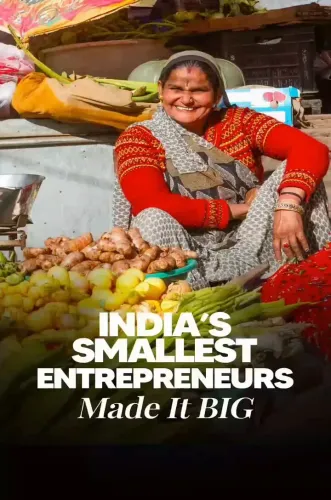
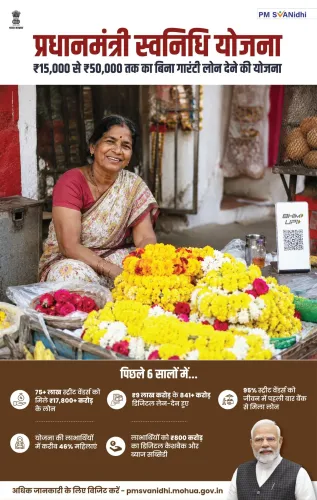
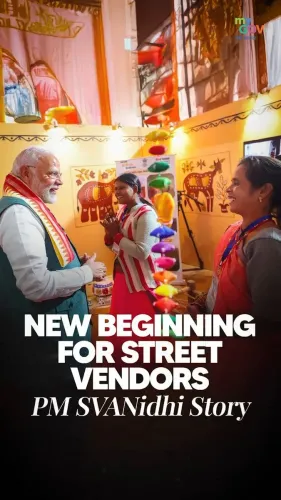
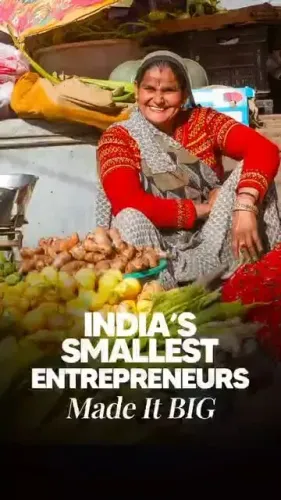
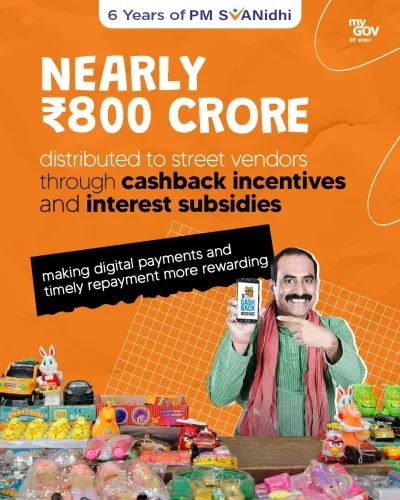
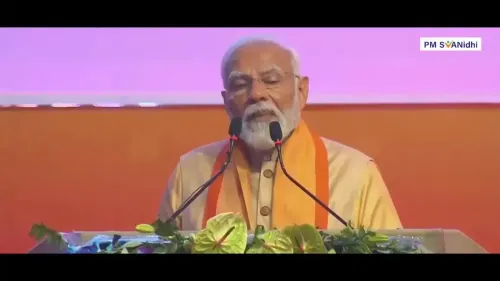
Khattar posted on X with the hashtag #6YearsofPMSVANidhi, writing: 'These are not merely statistics — these are living examples of self-employment (swaarojgar), self-reliance (swaavalambana), and self-respect (swabhimaan).' The post was accompanied by four images, underscoring the human stories behind the scheme's data. The minister's framing deliberately shifts the narrative from numbers to lived impact, reflecting the government's broader communication strategy around welfare programmes.
Policy Backdrop
PM SVANidhi was launched in June 2020 as part of the Atmanirbhar Bharat package, initially offering collateral-free working-capital loans of up to Rs 10,000 to urban street vendors whose livelihoods had been disrupted by COVID-19 restrictions. The scheme was subsequently expanded to offer higher loan tranches of up to Rs 20,000 and then Rs 50,000 for vendors who repaid their loans on time, incentivising digital transactions through cashback rewards. As the ministry responsible for urban affairs, Khattar's portfolio directly oversees the scheme's implementation across hundreds of cities and towns.
The programme is designed to formalise credit access for the urban informal workforce — a segment historically excluded from mainstream banking — by routing micro-credit through scheduled commercial banks, regional rural banks, microfinance institutions, and self-help groups. Its alignment with digital payment infrastructure has also made it a vehicle for financial inclusion beyond the initial loan cycle.
Stakeholders and Impact
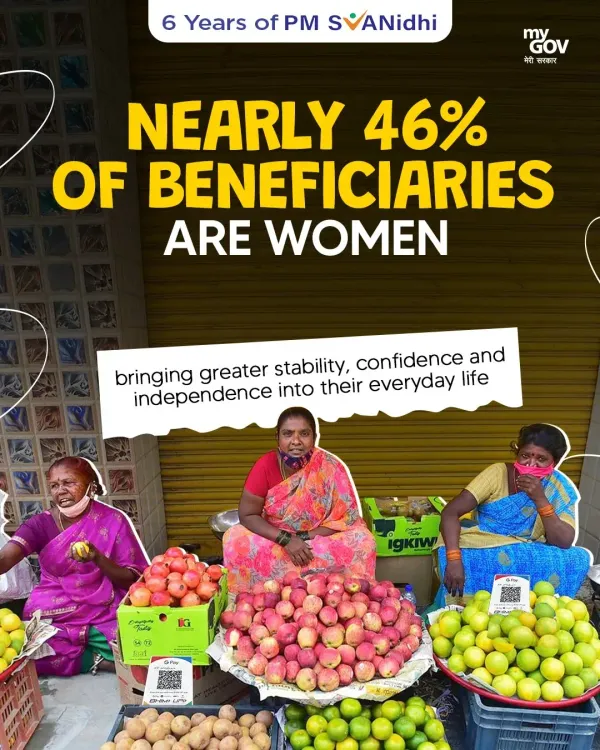
Street vendors — selling vegetables, fruits, ready-to-eat food, tea, garments, and other goods on urban footpaths — form one of India's largest informal-economy cohorts. The scheme targets this group directly, offering a formal credit pathway that does not require collateral or a prior credit history. By the scheme's sixth year, the government has periodically cited cumulative disbursements and beneficiary counts as proof of outreach, though the specific figures referenced in Khattar's post could not be independently verified at the time of publication.
The broader significance lies in what the scheme represents for urban poverty alleviation: a shift from direct subsidy to structured micro-credit, nudging vendors towards digital commerce and repeat borrowing as a ladder out of informality. Women vendors and vendors from marginalised communities have been highlighted in official communications as key beneficiaries.
What's Next
Analysts watching urban livelihood policy will look for signals in the upcoming Union Budget or housing policy updates on whether loan ceilings will be raised further or whether PM SVANidhi will be integrated with other urban livelihood programmes such as the Deendayal Antyodaya Yojana – National Urban Livelihoods Mission (DAY-NULM). Khattar's public emphasis on the scheme's sixth anniversary suggests the government intends to keep it prominent in its welfare narrative ahead of any forthcoming policy cycle. For millions of street vendors, the continuation and expansion of affordable credit access remains the defining question.
Point of View
Reframing programme statistics as human dignity narratives — a messaging shift that signals the BJP's intent to keep urban informal-economy outreach central to its political identity. At six years, PM SVANidhi has moved from emergency pandemic relief to a structural micro-credit instrument, and the minister's emphasis on self-reliance over subsidy echoes the Atmanirbhar Bharat ideological frame. The timing, ahead of potential budget deliberations, may also be a soft signal lobbying for expanded allocations or enhanced loan ceilings. Sustained focus on measurable livelihood outcomes suggests the government views the urban vendor constituency as both a policy priority and an electoral one.
NationPress
15 Oct 2026
Frequently Asked Questions
What is PM SVANidhi scheme?
PM SVANidhi, or Pradhan Mantri Street Vendor's AtmaNirbhar Nidhi, is a central government micro-credit scheme launched in June 2020 that provides collateral-free working-capital loans to urban street vendors, starting at Rs 10,000 and scaling up to Rs 50,000 for repeat borrowers who repay on time.
Who launched PM SVANidhi and which ministry runs it?
PM SVANidhi was launched by the central government in June 2020 under the Atmanirbhar Bharat package. It is administered by the Ministry of Housing and Urban Affairs, currently headed by Union Minister Manohar Lal Khattar.
How many years has PM SVANidhi completed?
PM SVANidhi completed six years on June 1, 2026, a milestone marked publicly by Union Minister Manohar Lal Khattar on social media.
Who benefits from PM SVANidhi?
Urban street vendors — including those selling vegetables, fruits, food, garments, and other goods on footpaths — are the primary beneficiaries. Women vendors and vendors from marginalised communities have been highlighted as significant recipients.
What is the maximum loan under PM SVANidhi?
The scheme offers loans in tranches: up to Rs 10,000 initially, Rs 20,000 for the second loan, and up to Rs 50,000 for vendors who have successfully repaid earlier loans and maintained a good repayment record.