Shekhawat marks 6 years of PM SVANidhi, hails street vendor uplift
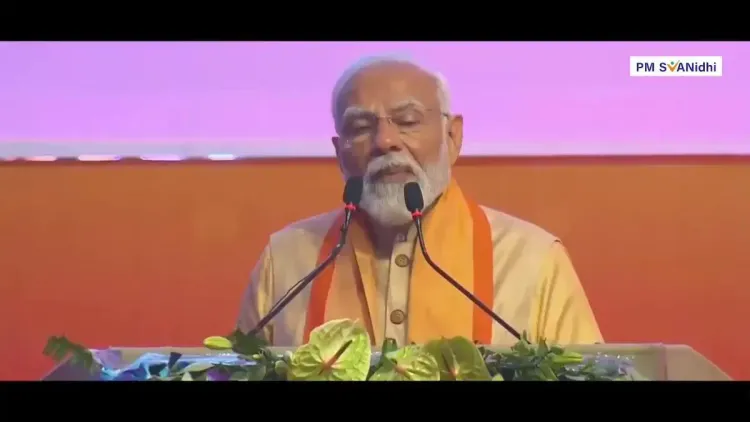
Synopsis
Union Culture and Tourism Minister Gajendra Singh Shekhawat on 1 June 2026 marked the sixth anniversary of PM SVANidhi, lauding the scheme's collateral-free loans, digital transaction incentives, and role in empowering lakhs of urban street vendors under the Atmanirbhar Bharat vision.
Key Takeaways
PM SVANidhi completed six years on 1 June 2026 , having been launched on 1 June 2020 under the Ministry of Housing and Urban Affairs.
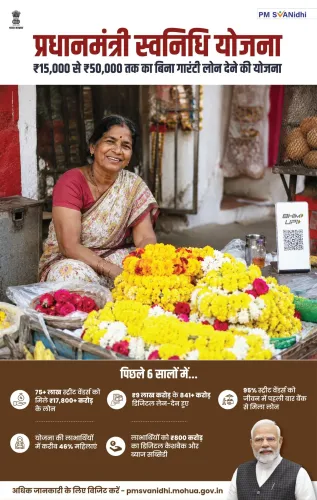
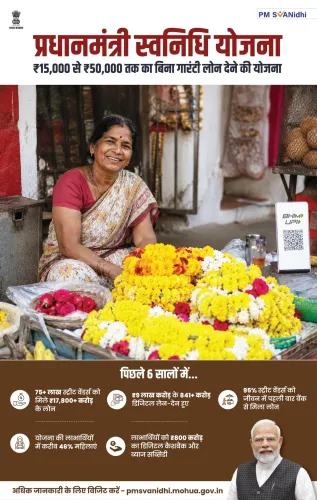
The scheme provides collateral-free working capital loans of up to Rs 50,000 to urban street vendors.
Built-in incentives encourage digital transactions , helping vendors build formal financial histories.
The scheme was part of the Atmanirbhar Bharat COVID-19 relief package targeting the urban informal sector.
Minister Gajendra Singh Shekhawat described it as 'the journey of empowerment of a new India' for lakhs of rehri-patri vendors.
Policy watchers are tracking updated disbursement data and possible integration with urban local body programmes in upcoming budgets.
Union Culture and Tourism Minister Gajendra Singh Shekhawat on Monday, 1 June 2026, marked the sixth anniversary of the PM Street Vendor's AtmaNirbhar Nidhi (PM SVANidhi) scheme, calling it a transformative force in making millions of hardworking street vendors self-reliant across India.
Context
Posting on X, Shekhawat wrote: 'सड़क किनारे रेहड़ी-पटरी लगाने वाले लाखों परिश्रमी साथियों को आत्मनिर्भर बनाने में #6YearsOfPMSVANidhi योजना ने महत्वपूर्ण भूमिका निभाई है' — 'The PM SVANidhi scheme has played an important role in making self-reliant the lakhs of hardworking companions who set up roadside stalls and carts.' He further described the scheme's pillars as 'collateral-free loans, promotion of digital transactions, and dignified livelihoods,' calling them 'the journey of empowerment of a new India.'
The post comes exactly six years after the scheme's launch on 1 June 2020, under the Ministry of Housing and Urban Affairs, as part of the government's COVID-19 economic relief package aimed at protecting the urban informal sector.
Policy Backdrop
PM SVANidhi was conceived under the broader Atmanirbhar Bharat framework announced in 2020, which sought to extend micro-credit and social protection to workers outside the formal economy. The scheme provides collateral-free working capital loans of up to Rs 50,000 to urban street vendors, with built-in incentives for adopting digital payment methods.
A defining feature of the scheme is its tiered lending model: vendors who repay their first loan on time become eligible for progressively larger credit tranches. The digital transaction incentive component was designed to bring street vendors into the formal financial ecosystem, linking them to banking infrastructure and government welfare pipelines.
The scheme sits within a larger government push to formalise the urban informal sector — a constituency that includes lakhs of rehri-patri (cart and stall) vendors in cities and towns across the country. Similar micro-credit and urban livelihood initiatives have been progressively integrated with urban local body programmes in successive budgets.
Stakeholders and Impact
Street vendors represent one of the most economically vulnerable segments of India's urban workforce, typically lacking access to formal credit, social security, or legal recognition of their trade. PM SVANidhi directly addresses the credit-access gap by removing the collateral requirement that had historically locked these workers out of institutional lending.
The scheme's digital transaction incentive has a secondary effect: it generates a verifiable financial history for vendors, potentially improving their credit profiles for future borrowing. For urban local bodies, the scheme has provided a structured mechanism to enumerate and formally recognise street vendors operating within their jurisdictions.
What's Next
As the scheme enters its seventh year, attention will focus on updated performance data covering total loan disbursements, repayment rates, and digital transaction volumes since inception. Any announcement of expanded credit limits, integration with new urban development programmes, or budgetary allocations in the coming fiscal cycle will be closely watched by welfare economists and urban planners. The anniversary also sets the stage for potential policy reviews on whether the scheme's scope should be widened to cover peri-urban and semi-urban vendor populations.
Point of View
Signalling that the BJP continues to position PM SVANidhi as a symbol of its outreach to the urban informal poor — a constituency that cuts across caste and regional lines. The timing, exactly on the sixth anniversary, suggests coordinated government-wide messaging rather than a spontaneous tribute. Notably, the scheme falls under the Ministry of Housing and Urban Affairs, not Culture and Tourism, underscoring how senior party leaders across portfolios are deployed to amplify welfare optics. The emphasis on 'collateral-free' credit and 'dignified livelihoods' reflects a deliberate framing that ties micro-credit policy to the broader Atmanirbhar Bharat narrative ahead of any future electoral cycles.
NationPress
22 Sept 2026
Frequently Asked Questions
What is PM SVANidhi scheme?
PM SVANidhi, or Pradhan Mantri Street Vendor's AtmaNirbhar Nidhi, is a government scheme launched on 1 June 2020 that provides collateral-free working capital loans of up to Rs 50,000 to urban street vendors, along with incentives for digital transactions.
How many years has PM SVANidhi completed?
PM SVANidhi completed six years on 1 June 2026, having been launched on 1 June 2020 as part of the COVID-19 economic relief measures under the Atmanirbhar Bharat package.
Who administers the PM SVANidhi scheme?
PM SVANidhi is administered by the Ministry of Housing and Urban Affairs, Government of India, and is implemented through urban local bodies across the country.
What are the benefits of PM SVANidhi for street vendors?
The scheme offers collateral-free loans starting from small amounts up to Rs 50,000, incentives for adopting digital payments, and a tiered credit system where timely repayment qualifies vendors for larger loans, helping them build formal financial profiles.
What did Gajendra Singh Shekhawat say about PM SVANidhi?
On 1 June 2026, Minister Gajendra Singh Shekhawat posted on X that PM SVANidhi has played an important role in making lakhs of hardworking street vendors self-reliant, describing collateral-free loans, digital transactions, and dignified livelihoods as 'the journey of empowerment of a new India.'