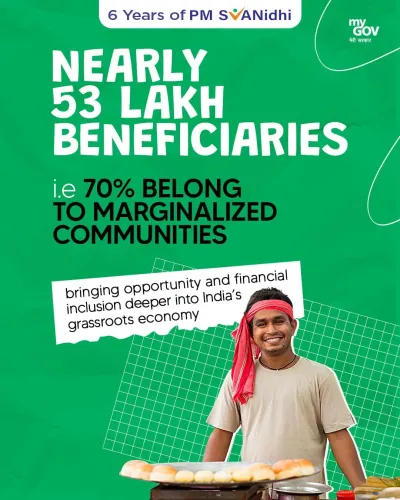
Bhupender Yadav marks 6 years of PM SVANidhi scheme
Synopsis
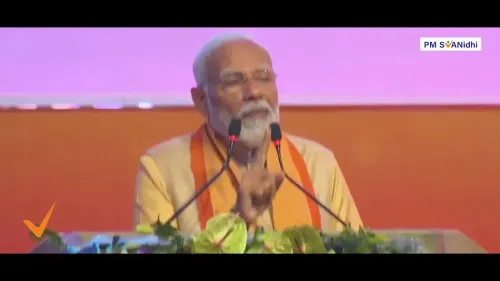
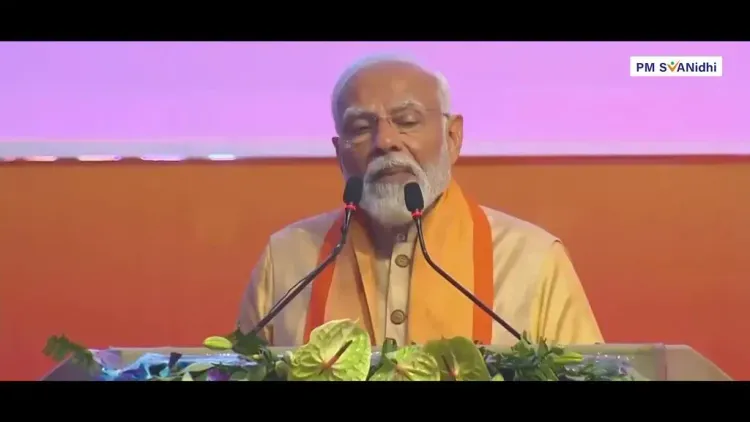
Union Environment Minister Bhupender Yadav marked six years of PM SVANidhi on 1 June 2026, saying the scheme has given new wings to the dreams of lakhs of street vendors across India by opening formal credit access under PM Modi's leadership.
Key Takeaways
Union Environment Minister Bhupender Yadav posted on X on 1 June 2026 to mark the sixth anniversary of PM SVANidhi .
The PM SVANidhi scheme was launched on 1 June 2020 as part of the Atmanirbhar Bharat package to support street vendors hit by COVID-19 restrictions.
The scheme provides collateral-free working capital loans to street vendors through formal banking channels.
Initial loans of Rs 10,000 were offered, with enhanced credit limits tied to timely repayment and digital transaction incentives.
The scheme targets rehdi-patri vendors in urban and peri-urban areas, aiming to reduce dependence on informal moneylenders.
Scheme performance dashboards and parliamentary reviews are expected to follow the anniversary milestone.
Union Environment Minister Bhupender Yadav on Monday, 1 June 2026 marked the sixth anniversary of the PM SVANidhi scheme, crediting the initiative with opening new opportunities for millions of street vendors across India. The minister posted on X, attributing the scheme's launch and impact to Prime Minister Narendra Modi.
In his post, Yadav wrote: 'PM Shri Narendra Modi ji ke netritva mein chhe varsh pahle shuru ki gayi PM SVANidhi Yojana ne deshbhar ke laakhon rehdi-patri vikretaon ke sapnon ko nayi udaan di hai' — 'The PM SVANidhi scheme, launched six years ago under the leadership of PM Shri Narendra Modi, has given new wings to the dreams of lakhs of street vendors across the country.'
Context
The Pradhan Mantri Street Vendor's AtmaNirbhar Nidhi (PM SVANidhi) scheme was launched on 1 June 2020 as part of the broader Atmanirbhar Bharat economic package. It was designed to provide collateral-free working capital loans to street vendors whose livelihoods had been severely disrupted by COVID-19 lockdowns and restrictions.
The scheme targeted vendors in both urban and peri-urban areas, offering micro-credit access through formal banking channels — a segment of the workforce that had historically relied on informal moneylenders at high interest rates.
Policy Backdrop
PM SVANidhi sits within a wider post-2020 policy push toward financial inclusion and self-employment support for India's unorganised sector. The scheme offered initial loans of Rs 10,000, with enhanced credit limits for timely repayment, and was linked to incentives for digital transactions to bring vendors into the formal financial ecosystem.
The initiative is administered as a central sector scheme and has been positioned alongside other Atmanirbhar Bharat programmes targeting micro-entrepreneurs and small traders. Periodic scheme dashboards tracking cumulative disbursements and vendor registrations have been released by the government to monitor progress.
Stakeholders and Impact
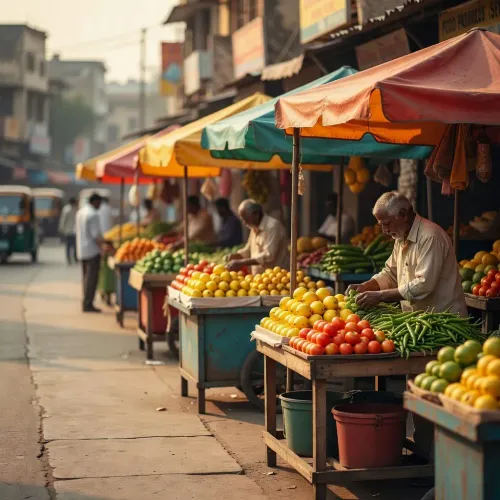
The primary beneficiaries are street vendors — commonly known as rehdi-patri waale — who operate in markets, roadsides, and residential areas across Indian cities and towns. This segment represents a significant share of urban informal employment in India.
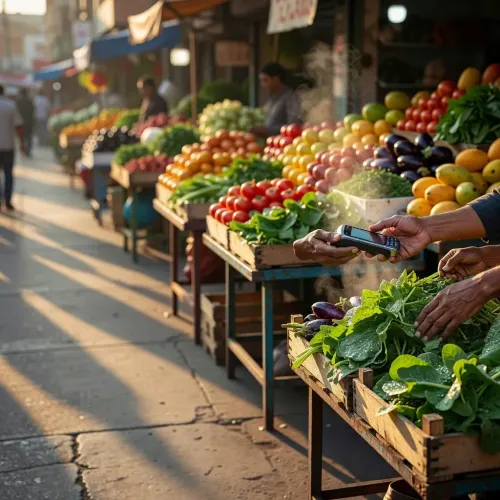
Access to formal credit under the scheme has been presented by the government as a means of reducing debt bondage to informal lenders and enabling vendors to expand their businesses. The scheme also encouraged digital payment adoption among this cohort as a condition for enhanced loan eligibility.
What's Next
The anniversary marks an occasion for the government to review cumulative loan disbursements and vendor registrations. Scheme performance data and any state-level implementation reviews are expected to feature in upcoming parliamentary sessions and policy communications.
With the scheme now entering its seventh year, attention will focus on whether enhanced credit tiers and digital-payment linkages have translated into measurable income improvements for vendors — and on the government's plans to scale or modify the programme in line with evolving urban informal-sector needs.
Point of View
Reinforcing the party's welfare-delivery narrative ahead of electoral cycles. By attributing the scheme directly to PM Modi's leadership, the communication serves a dual purpose: celebrating a policy instrument and consolidating the prime minister's image as a champion of the urban informal poor. PM SVANidhi occupies a strategically important space in BJP's outreach to street vendors — a numerous, visible, and politically significant constituency in Indian cities. The six-year mark invites scrutiny of actual disbursement data and vendor income outcomes, which will be the real test of the scheme's durability beyond its anniversary messaging.
NationPress
20 Sept 2026
Frequently Asked Questions
What is the PM SVANidhi scheme?
PM SVANidhi, or Pradhan Mantri Street Vendor's AtmaNirbhar Nidhi, is a central government scheme launched on 1 June 2020 that provides collateral-free working capital loans to street vendors, starting at Rs 10,000, to help them rebuild livelihoods disrupted by COVID-19.
When was PM SVANidhi launched?
The PM SVANidhi scheme was launched on 1 June 2020 as part of the Atmanirbhar Bharat economic relief package announced by the central government during the COVID-19 pandemic.
Who benefits from PM SVANidhi?
Street vendors — commonly called rehdi-patri vendors — operating in urban and peri-urban areas across India are the primary beneficiaries, gaining access to formal micro-credit without requiring collateral.
Why did Bhupender Yadav post about PM SVANidhi?
Union Environment Minister Bhupender Yadav posted on X on 1 June 2026 to mark the sixth anniversary of the PM SVANidhi scheme, highlighting its role in expanding opportunities for lakhs of street vendors nationwide.
How does PM SVANidhi promote digital payments?
The scheme links enhanced loan eligibility to digital transaction adoption, incentivising street vendors to use digital payment platforms and move toward formal financial participation.