CM Dhami: PM SVANidhi making Uttarakhand street vendors self-reliant
Synopsis
The Chief Minister's Office of Uttarakhand on 3 June 2026 said the PM SVANidhi scheme is making urban street vendors, pavement sellers and cart operators self-reliant. The post, quoting CM Pushkar Singh Dhami, frames the central micro-credit programme as a key livelihood tool for the state's urban informal sector.
Key Takeaways
Uttarakhand CMO posted on 3 June 2026 highlighting PM SVANidhi's impact on urban street vendors.
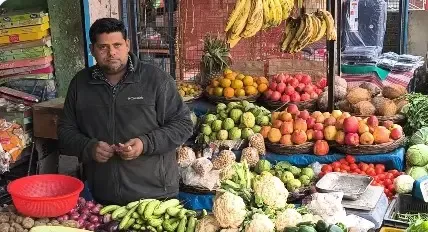
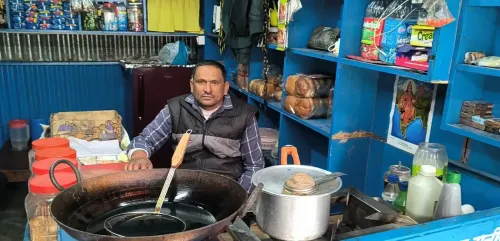
CM Pushkar Singh Dhami said hawkers, pavement sellers and cart operators are being made self-reliant.
PM SVANidhi offers collateral-free loans up to Rs 50,000 for urban street vendors.
The scheme was launched in June 2020 by the Ministry of Housing and Urban Affairs.
State implementation runs through municipal bodies in urban centres like Dehradun and Haridwar.
Focus aligns with the Atmanirbhar Bharat push to formalise the urban informal sector.
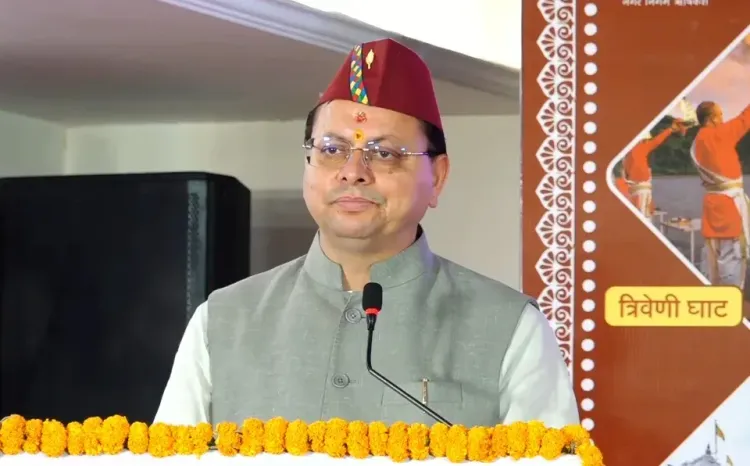
The Chief Minister's Office of Uttarakhand on 3 June 2026 highlighted the role of the PM SVANidhi scheme in supporting urban street vendors across the state, quoting Chief Minister Pushkar Singh Dhami. The post said the central micro-credit scheme is helping hawkers, pavement sellers and cart operators in urban areas become self-reliant. It was accompanied by a single image.
In the post, the CMO carried the Chief Minister's words in Hindi: 'Aaj Svanidhi yojana ke maadhyam se shahri kshetron mein rehne wale rehri, patri aur thela sanchaalakon ko aatmanirbhar banaya ja raha hai' ('Today, through the SVANidhi scheme, street vendors, pavement sellers and cart operators living in urban areas are being made self-reliant'). The message frames the scheme as a livelihood lifeline for micro-entrepreneurs in Uttarakhand's towns and cities.
Context
PM Street Vendor's AtmaNirbhar Nidhi, commonly known as PM SVANidhi, was launched by the Ministry of Housing and Urban Affairs in June 2020 to help street vendors restart businesses disrupted by the COVID-19 lockdown. The scheme offers collateral-free working capital loans of up to Rs 50,000 in tiered tranches, along with interest subsidies and cashback incentives for digital transactions.
Chief Minister Pushkar Singh Dhami, who has led Uttarakhand since July 2021, has consistently positioned the implementation of central welfare schemes as a core deliverable of his administration. Wednesday's post fits a pattern of state-level communication that spotlights central programmes reaching grassroots beneficiaries in urban local bodies.
Policy backdrop
SVANidhi is part of the broader Atmanirbhar Bharat push to formalise the urban informal sector. By onboarding vendors onto digital payment platforms and credit-bureau records, the scheme aims to build a financial footprint that can unlock larger loans over time, reducing dependence on informal moneylenders who often charge punishing interest rates.
For a hill state like Uttarakhand, where urban centres such as Dehradun, Haridwar, Haldwani and Rishikesh host dense vendor clusters serving residents, pilgrims and tourists, the scheme's reach intersects with tourism-driven micro-commerce. State implementation runs through municipal corporations and nagar palikas, which identify eligible vendors and facilitate bank linkages.
Stakeholders and impact
The primary beneficiaries are urban street vendors — fruit and vegetable sellers, tea and snack stall operators, garment hawkers and pavement traders — who typically lack collateral and formal credit histories. For this cohort, even a first-tranche loan of Rs 10,000 can fund stock replenishment, equipment upgrades or seasonal expansion.
Municipal bodies and lending banks are the delivery partners, while the state government takes on the role of mobilisation, awareness-building and grievance redressal. The CMO's public framing of vendors as engines of self-reliance also signals political alignment with the Centre's messaging on dignifying informal livelihoods.
What's next
Attention will turn to quarterly disbursement updates from Uttarakhand's urban local bodies and any state-level top-ups, such as additional interest subvention or insurance linkages, that may accompany the central scheme. Vendor registration drives in smaller towns and the integration of SVANidhi beneficiaries with other welfare programmes — including PM Jan Dhan Yojana accounts and digital payment incentives — will indicate the depth of penetration.
As Uttarakhand continues to balance hill-region development with urban informal-sector support, the Chief Minister's emphasis on SVANidhi suggests that micro-credit for street vendors will remain a visible plank of the state's welfare narrative in the months ahead.
Point of View
The Dhami administration taps a politically resonant constituency that cuts across caste and community lines in urban Uttarakhand. The messaging also reinforces the BJP's wider Atmanirbhar Bharat narrative ahead of municipal cycles. The real test, however, lies in disbursement data and second- and third-tranche uptake, which reveal whether vendors are graduating to larger credit rather than merely entering the system.
NationPress
18 Oct 2026
Frequently Asked Questions
What is the PM SVANidhi scheme?
PM SVANidhi is a central government scheme launched in June 2020 to provide collateral-free working capital loans of up to Rs 50,000 to urban street vendors. It is run by the Ministry of Housing and Urban Affairs and includes interest subsidies and digital-payment cashback.
Who is eligible for PM SVANidhi loans in Uttarakhand?
Urban street vendors, hawkers, pavement sellers and cart operators identified by urban local bodies are eligible. Applicants typically need a certificate of vending or a letter of recommendation from the municipal authority.
How much loan can a street vendor get under SVANidhi?
Vendors can avail loans in tranches starting at Rs 10,000, rising to Rs 20,000 and Rs 50,000 on timely repayment. The loans are collateral-free and carry interest subsidy of 7 percent.
What did CM Pushkar Singh Dhami say about street vendors?
CM Pushkar Singh Dhami said that through the SVANidhi scheme, street vendors, pavement sellers and cart operators in urban areas of Uttarakhand are being made self-reliant. The remark was shared by the Chief Minister's Office on 3 June 2026.
How do street vendors apply for SVANidhi in Uttarakhand?
Vendors can apply through urban local bodies, designated banks or the PM SVANidhi portal. Municipal corporations in cities like Dehradun, Haridwar and Haldwani assist with documentation and bank linkages.