Shivraj dedicates India's first indigenous H5N1 bird flu vaccine

Synopsis
India's first homegrown H5N1 avian influenza vaccine, developed by ICAR-NIHSAD in Bhopal, was dedicated to the nation on 20 November 2026 by Agriculture Minister Shivraj Singh Chouhan, marking a major milestone for poultry biosecurity and the Atmanirbhar Bharat initiative.
Key Takeaways
Union Agriculture Minister Shivraj Singh Chouhan dedicated India's first indigenous H5N1 bird flu vaccine to the nation on 20 November 2026 .
The vaccine was developed by ICAR-NIHSAD (National Institute of High Security Animal Diseases) , located in Bhopal, Madhya Pradesh .
The breakthrough reduces India's dependence on imported vaccines for combating highly pathogenic avian influenza outbreaks that have repeatedly hit poultry clusters.
The development is framed as an expression of the Atmanirbhar Bharat self-reliance initiative launched by PM Narendra Modi in May 2020 .
The vaccine is intended to protect the livelihoods of India's large community of poultry farmers , who face total income loss during H5N1 outbreak events.
Key next steps include scale-up of manufacturing, field trials in poultry clusters, and integration into state-level animal health programmes.
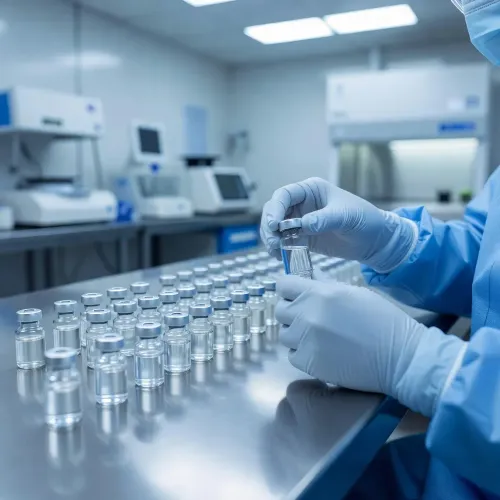
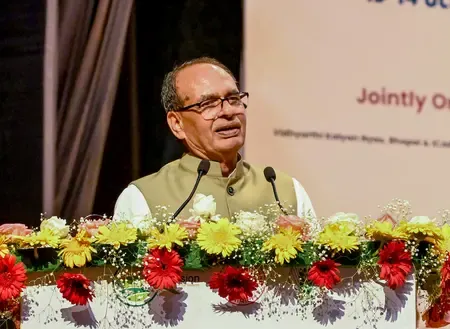
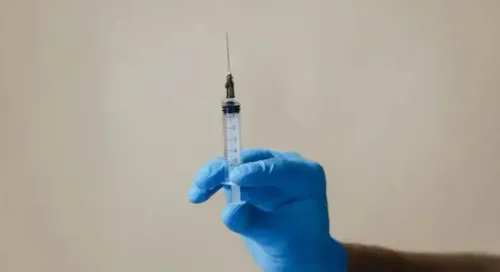
India's poultry sector crossed a landmark threshold on Friday, 20 November 2026, as Union Agriculture Minister Shivraj Singh Chouhan presided over the dedication of the country's first homegrown H5N1 avian influenza vaccine to the nation — a breakthrough developed entirely within Indian laboratories and aimed squarely at protecting millions of poultry farmers from a disease that has repeatedly battered their livelihoods.
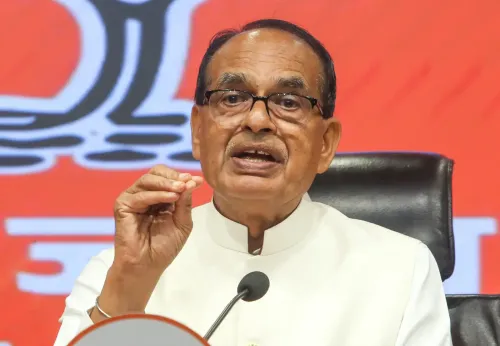
Chouhan announced the milestone on X, attributing the achievement to the inspiration of Prime Minister Narendra Modi and crediting the scientists and researchers at ICAR-NIHSAD (National Institute of High Security Animal Diseases), Bhopal, with delivering what he called 'a historic achievement in India's animal health sector.' He described the vaccine as 'an important initiative to strengthen the security of the poultry sector and the livelihoods of farmers engaged in poultry rearing,' adding that it will 'further consolidate the resolve of an Atmanirbhar Bharat' — a self-reliant India.
What ICAR-NIHSAD in Bhopal built — and why it matters
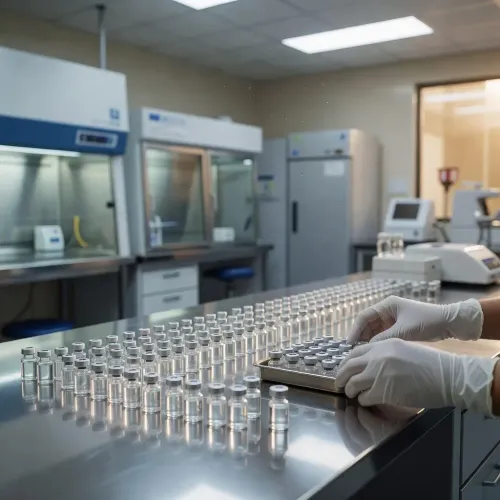
ICAR-NIHSAD, housed in Bhopal, Madhya Pradesh, is India's apex high-security animal disease research facility under the Indian Council of Agricultural Research. It operates under the highest biosafety containment levels, making it one of the few institutions in the country equipped to handle dangerous pathogens like the H5N1 influenza strain. That a vaccine against this virus now carries a 'Made in India' label is not a minor administrative footnote — it is a structural shift in how the country manages veterinary biosecurity.
Until now, India depended significantly on imported vaccines and diagnostics during avian influenza outbreaks, a vulnerability that translated directly into delayed responses, inflated costs, and prolonged crises for poultry farmers. H5N1 is a highly pathogenic strain of bird flu known to trigger mass culling events that can wipe out entire poultry clusters overnight. India has experienced recurrent outbreaks, each time exposing the gap between the scale of the threat and the country's domestic vaccine-production capacity.
Atmanirbhar Bharat's reach into the farm gate
The vaccine's development fits neatly into the broader Atmanirbhar Bharat framework launched by Prime Minister Modi in May 2020, which pushed for self-reliance across critical sectors — from semiconductors to pharmaceuticals. The animal health sector has been a quieter but significant part of that push, with successive policy cycles directing investment into public veterinary research institutions. This vaccine represents a concrete, tangible output of that multi-year effort.
For India's poultry farmers — a vast constituency of small and marginal producers for whom a single outbreak can mean total income loss — a domestically produced, government-backed vaccine holds the promise of faster access and potentially lower cost. The question that now takes centre stage is speed of scale-up: how quickly manufacturing can ramp up, when field trials in live poultry clusters will conclude, and how state animal husbandry departments will integrate the vaccine into their routine disease-control programmes.
Scientists get their moment
Chouhan used the announcement to offer explicit recognition to 'all the scientists and researchers of the institute who contributed to the development of this indigenous vaccine' — a pointed gesture in a policy landscape where the lab-to-launch journey of public-sector research often goes publicly unacknowledged. The hashtag #SwadeshiVaccine — 'indigenous vaccine' — framed the moment squarely within the self-reliance narrative that has defined the government's science and technology messaging for the past six years.
India has built a credible vaccine-development track record in the human health space; the domestication of that capacity into veterinary science signals that biosecurity thinking is now operating at the full breadth of the food chain. The next test is field performance — and the speed at which a breakthrough developed in a Bhopal laboratory reaches the farms that need it most.
Point of View
Extending the Atmanirbhar Bharat logic from human health into veterinary science — a sector that directly underpins food security and rural incomes. For the BJP government, the announcement offers a tangible deliverable that bridges two politically important constituencies: the scientific community and the country's vast poultry-farming population. The harder test, however, is not the laboratory milestone but the last mile — whether manufacturing scale-up and state-level procurement can deliver the vaccine to the farm clusters that are most exposed before the next outbreak cycle. If that transition is managed well, it could set a replicable model for domesticating other critical animal health biologics.
NationPress
20 Nov 2026
Frequently Asked Questions
What is the H5N1 bird flu vaccine India has developed?
India's first indigenous H5N1 vaccine is a homegrown avian influenza vaccine developed by ICAR-NIHSAD in Bhopal to protect poultry flocks from the highly pathogenic H5N1 strain of bird flu, reducing dependence on imported vaccines.
Which institute developed India's H5N1 avian influenza vaccine?
The vaccine was developed by ICAR-NIHSAD — the National Institute of High Security Animal Diseases — located in Bhopal, Madhya Pradesh, under the Indian Council of Agricultural Research.
Who dedicated India's first indigenous bird flu vaccine to the nation?
Union Agriculture Minister Shivraj Singh Chouhan dedicated the vaccine to the nation on 20 November 2026, attributing the achievement to Prime Minister Narendra Modi's Atmanirbhar Bharat initiative.
How will the H5N1 vaccine help poultry farmers in India?
The vaccine is intended to prevent the mass poultry cullings triggered by H5N1 outbreaks, protecting the livelihoods of small and marginal poultry farmers who face complete income loss when such outbreaks hit their clusters.
What is Atmanirbhar Bharat and how does the H5N1 vaccine relate to it?
Atmanirbhar Bharat is PM Modi's self-reliance initiative launched in May 2020 to reduce India's import dependence across critical sectors. The indigenously developed H5N1 vaccine is cited as a concrete outcome of this policy in the animal health domain.