India's first indigenous bird flu vaccine for poultry to be unveiled on Nov 20
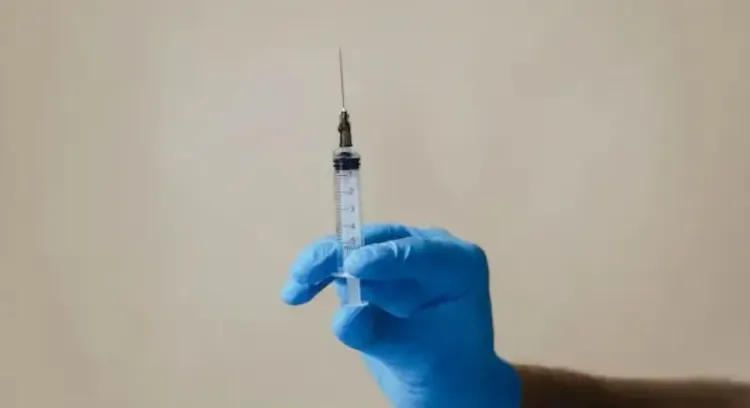
Synopsis
India has cracked a two-decade gap in poultry biosecurity: for the first time, a domestically developed vaccine specifically targets the H5N1 Clade 2.3.2.1a strain driving most bird flu outbreaks in the country. With 500-plus outbreaks since 2006 and a single major epidemic capable of shaving 1.5% off GDP, this Bhopal-made shot could be a turning point for 20% of India's poultry population — and a shield against human spillover.
Key Takeaways
ICAR-NIHSAD , Bhopal, has developed India's first indigenous inactivated H5N1 HPAI virus vaccine for poultry.
Union Minister Shivraj Singh Chouhan will dedicate the vaccine to the nation on 20 November 2026 .
India has recorded more than 500 combined outbreaks of H5N1 and H5N8 bird flu since 2006 .
A major outbreak could reduce India's GDP growth by 1.5% and endanger over 20% of the national poultry population.
The 2006 outbreak caused estimated losses of ₹2,200 crore to ₹3,000 crore ; a Manipur outbreak cost 0.5% of the state's GDP .
According to the WHO , H5N1 has caused 1,003 human cases and 479 deaths across 25 countries since 2003.
Bhopal-based ICAR-National Institute of High Security Animal Diseases (ICAR-NIHSAD) has developed India's first indigenous vaccine against Highly Pathogenic Avian Influenza (HPAI), commonly known as bird flu, officials confirmed on Wednesday, 18 November 2026. The vaccine targets the H5N1 Clade 2.3.2.1a strain — the subtype responsible for most poultry outbreaks in India — and fills a critical gap that has left the country's ₹3 lakh crore poultry sector without strain-specific protection for over two decades.
Landmark Unveiling on November 20
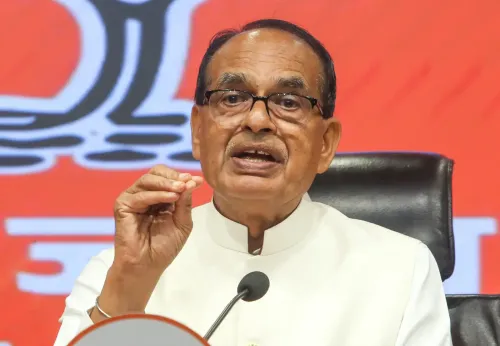
Union Minister of Agriculture and Farmers Welfare and Rural Development Shivraj Singh Chouhan will formally dedicate the 'indigenous inactivated H5N1 HPAI virus vaccine' for poultry to the nation on 20 November 2026 at the ICAR-NIHSAD campus in Bhopal. The event marks the first time India has produced a domestically developed, commercially viable vaccine against the circulating avian influenza strain, reducing dependence on imported formulations that did not specifically target the dominant local clade.
The Scale of the Threat
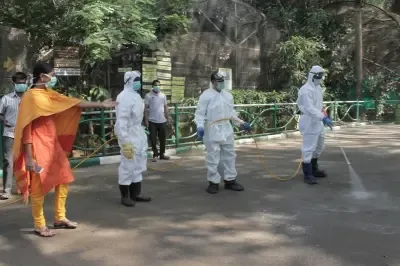
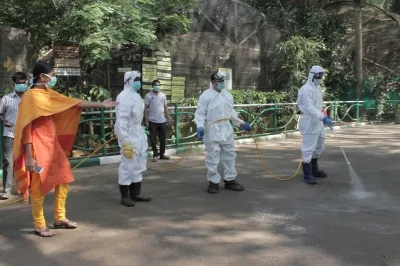
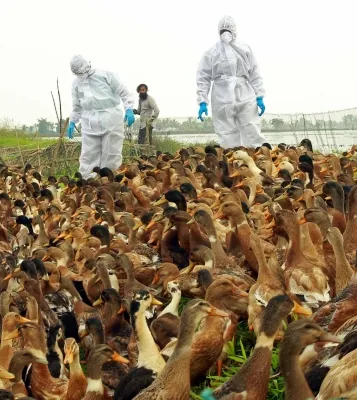
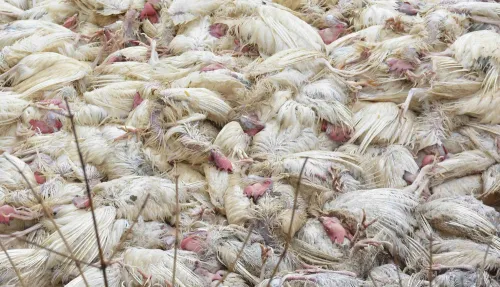
Bird flu poses an acute risk to poultry: outbreaks of Highly Pathogenic Avian Influenza can cause up to 100 per cent mortality among infected flocks, triggering mass culling, trade restrictions, and severe disruption to poultry product prices. Since the disease was first detected in India in 2006, the country has recorded more than 500 combined outbreaks of the H5N1 and H5N8 subtypes.
The economic consequences are well-documented. The 2006 outbreak alone resulted in estimated direct and indirect losses of ₹2,200 crore to ₹3,000 crore. A separate outbreak in Manipur caused losses equivalent to 0.5 per cent of the state's GDP. Official estimates warn that an unchecked major outbreak could reduce India's overall GDP growth by 1.5 per cent and put more than 20 per cent of the national poultry population at risk.
Public Health Dimension
The significance of the vaccine extends well beyond agriculture. According to the World Health Organization (WHO), 1,003 human cases of H5N1 avian influenza — resulting in 479 deaths — have been reported across 25 countries, including India, since 2003. Virological studies confirm that the H5N1 Clade 2.3.2.1a strain has driven most chicken outbreaks in recent years, with the virus also detected in mammals and linked to three reported human cases in India. By cutting transmission at the poultry level, the vaccine is expected to reduce zoonotic spillover risk — the pathway through which animal viruses can jump to humans.
Why This Vaccine Is Different
Until now, no specific commercial vaccine was available globally to protect poultry against the circulating Clade 2.3.2.1a strain. ICAR-NIHSAD's formulation directly addresses this gap. The inactivated vaccine is designed to minimise economic losses for poultry farmers and interrupt the chain of transmission from chickens to other animals and, critically, to humans. This comes amid growing international concern over H5N1's pandemic potential, with the WHO and several national health agencies closely monitoring mammalian infections reported in 2024 and 2025.
What Comes Next
The formal dedication on 20 November is expected to be followed by regulatory and rollout discussions for field deployment. Industry bodies and state animal husbandry departments are likely to play a central role in vaccination logistics, particularly in high-risk states that have historically recorded the most outbreaks. The development positions India as one of the few countries to hold an indigenous, strain-matched HPAI vaccine — a strategic asset in both biosecurity and trade diplomacy.
Point of View
Public health systems, and trade partners exposed for over two decades. The real question now is speed of deployment: a vaccine sitting in a Bhopal laboratory does not protect a flock in Manipur or Maharashtra. Regulatory fast-tracking and cold-chain logistics will determine whether this breakthrough translates into on-farm impact — or becomes another headline that the poultry sector cannot afford to let gather dust.
NationPress
18 Nov 2026
Frequently Asked Questions
What is India's first indigenous bird flu vaccine for poultry?
It is an indigenously developed 'inactivated H5N1 Highly Pathogenic Avian Influenza (HPAI) virus vaccine' created by ICAR-NIHSAD in Bhopal, specifically targeting the H5N1 Clade 2.3.2.1a strain that has driven most poultry outbreaks in India. No commercially available vaccine previously existed for this circulating strain.
When will the bird flu vaccine be officially launched?
Union Minister Shivraj Singh Chouhan will dedicate the vaccine to the nation on 20 November 2026 at the ICAR-NIHSAD campus in Bhopal. The event marks the formal unveiling of India's first domestically produced, strain-matched avian influenza vaccine.
Why is bird flu so dangerous for India's poultry sector?
Highly Pathogenic Avian Influenza can cause up to 100 per cent mortality in infected flocks, forcing mass culling and trade restrictions. India has recorded more than 500 combined H5N1 and H5N8 outbreaks since 2006, with official estimates warning that a major epidemic could cut GDP growth by 1.5% and put over 20% of the national poultry population at risk.
Does bird flu pose a risk to humans?
Yes. According to the WHO, H5N1 avian influenza has caused 1,003 human cases and 479 deaths across 25 countries since 2003, including India. The Clade 2.3.2.1a strain has also been detected in mammals alongside three reported human cases, making vaccination of poultry a critical barrier against zoonotic spillover.
What were the economic losses from past bird flu outbreaks in India?
The 2006 bird flu outbreak in India resulted in estimated direct and indirect losses of ₹2,200 crore to ₹3,000 crore. A separate outbreak in Manipur caused losses equivalent to 0.5% of the state's GDP, illustrating the severe financial toll the disease can impose on farmers and regional economies.