India's first indigenous H5N1 bird flu vaccine to be dedicated on Nov 20 in Bhopal
Synopsis
India has never had a homegrown vaccine against H5N1 bird flu — until now. After more than 500 outbreaks since 2006 and billions in poultry losses, ICAR-NIHSAD has developed the country's first indigenous H5N1 vaccine, to be formally dedicated to the nation on 20 November in Bhopal. For one of the world's largest poultry industries, this is a structural shift from reactive culling to preventive immunisation.
Key Takeaways
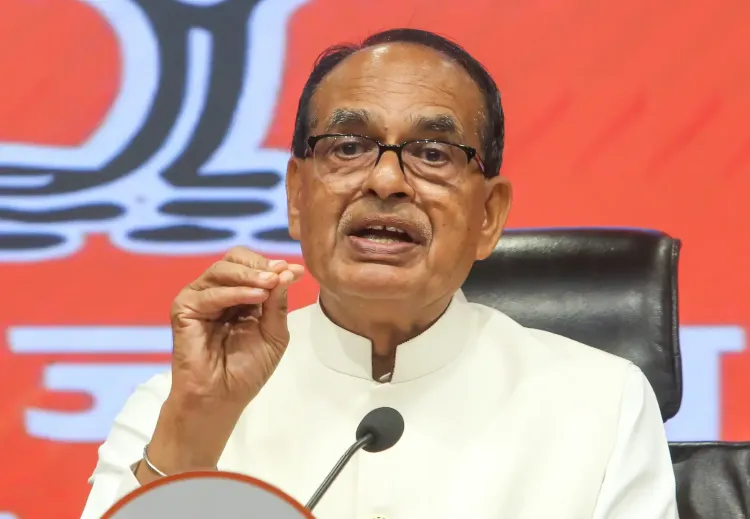
Union Agriculture Minister Shivraj Singh Chouhan will dedicate India's first indigenous H5N1 bird flu vaccine to the nation on 20 November 2026 in Bhopal .
The vaccine was developed by ICAR-NIHSAD , a specialised high-security animal disease research institute based in Bhopal.
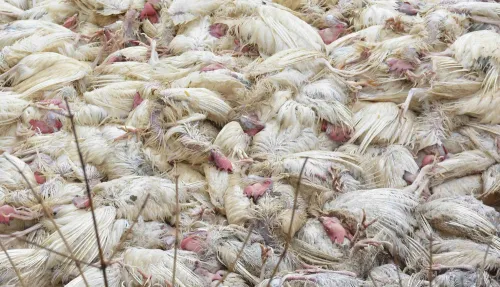
India has recorded more than 500 outbreaks of H5N1 and H5N8 avian influenza since 2006 , causing large-scale poultry deaths and economic losses.
No indigenous H5N1-specific vaccine was previously available in India; containment relied solely on culling of infected birds.
India has one of the world's largest poultry sectors, playing a critical role in food security , rural livelihoods , and employment.
Union Agriculture Minister Shivraj Singh Chouhan will formally dedicate India's first indigenous vaccine against the H5N1 bird flu virus to the nation in Bhopal on 20 November 2026, marking a landmark moment in the country's animal health preparedness. The vaccine has been developed by the ICAR-National Institute of High Security Animal Diseases (NIHSAD), a specialised research arm of the Indian Council of Agricultural Research (ICAR), headquartered in Bhopal.
A Historic First for Indian Animal Science
Until now, no domestically developed vaccine existed in India specifically targeting the H5N1 avian influenza strain. The country has had to rely on existing disease-control measures — primarily mass culling of infected and exposed birds — to contain outbreaks, with no targeted immunisation option available. The NIHSAD breakthrough ends that gap and places India among the select group of nations with an indigenous avian influenza vaccine capability.
According to a statement from Chouhan's office, India has recorded more than 500 outbreaks of H5N1 and H5N8 avian influenza since 2006, making the need for a homegrown vaccine long-standing and urgent.
What Bird Flu Does to India's Poultry Sector
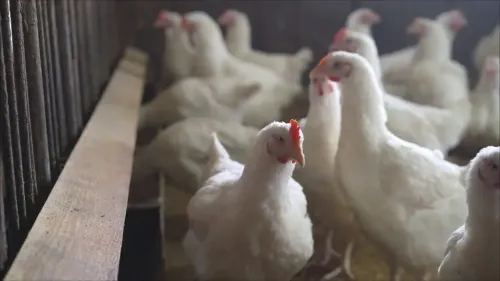
Avian influenza is a highly contagious viral disease that spreads rapidly through poultry populations. Each outbreak typically triggers large-scale culling, production disruptions, and severe livelihood losses for farmers. India operates one of the world's largest poultry industries, which is deeply tied to food security, rural employment, and agricultural income across multiple states.
Repeated outbreaks have caused substantial economic losses to the sector over the past two decades. The absence of a targeted vaccine meant that containment efforts remained reactive rather than preventive — a vulnerability the new indigenous vaccine is designed to address.
What the Government Said
'The development of this indigenous vaccine will strengthen India's capacity to control bird flu, protect poultry birds and reduce the economic losses suffered by poultry farmers,' Chouhan's office said in its statement on Wednesday.
The formal dedication event on 20 November in Bhopal is expected to highlight the contribution of Indian scientific institutions to solving a major animal health challenge and to signal a broader push toward self-reliance in veterinary biotechnology.
Significance for Animal Health Infrastructure
The vaccine represents more than a single scientific achievement — it strengthens India's overall animal disease-response architecture. With an indigenous product, the country gains greater control over procurement, pricing, and deployment timelines, particularly critical during fast-moving outbreak situations. This comes amid growing global concern over avian influenza strains and their potential to mutate, making domestic vaccine development capacity a strategic national asset.
Notably, NIHSAD's mandate covers high-security animal diseases, and this development is consistent with its broader mission of building India's preparedness against zoonotic and economically significant pathogens. The vaccine is expected to become an important tool in the Centre's future bird flu response protocols.
Point of View
And the NIHSAD breakthrough finally closes it. The more consequential question now is deployment: how quickly can the vaccine be produced at scale, how will it be priced for small and marginal poultry farmers, and will the Centre integrate it into its existing avian influenza action plan rather than treat it as a symbolic milestone? A vaccine dedicated at a ceremony is not the same as a vaccine deployed in a district-level outbreak. The government's credibility on this achievement will be tested not on 20 November but in the first H5N1 outbreak that follows.
NationPress
18 Nov 2026
Frequently Asked Questions
What is India's first indigenous H5N1 bird flu vaccine?
It is a domestically developed vaccine against the H5N1 avian influenza virus, created by ICAR-NIHSAD in Bhopal. It is the first such indigenous vaccine in India and fills a critical gap in the country's poultry disease-control toolkit, where no targeted H5N1 vaccine previously existed.
Who developed the H5N1 bird flu vaccine in India?
The vaccine was developed by the ICAR-National Institute of High Security Animal Diseases (NIHSAD), a specialised research institute of the Indian Council of Agricultural Research (ICAR) based in Bhopal, Madhya Pradesh.
Why does India need an indigenous bird flu vaccine?
India has experienced more than 500 outbreaks of H5N1 and H5N8 avian influenza since 2006, causing large-scale poultry deaths and significant economic losses. Without a domestic vaccine, disease control relied entirely on culling, which is costly and disruptive to one of the world's largest poultry sectors.
When and where will the vaccine be formally launched?
Union Agriculture Minister Shivraj Singh Chouhan will dedicate the vaccine to the nation at a programme in Bhopal on 20 November 2026. The event marks the formal national rollout of the NIHSAD-developed vaccine.
How will this vaccine affect India's poultry industry?
The vaccine is expected to shift India's bird flu response from reactive culling to preventive immunisation, reducing economic losses for poultry farmers and improving the resilience of a sector that supports millions of rural livelihoods and plays a key role in national food security.