CM Dhami: Uttarakhand Preserving Its Culture and Traditions
Synopsis
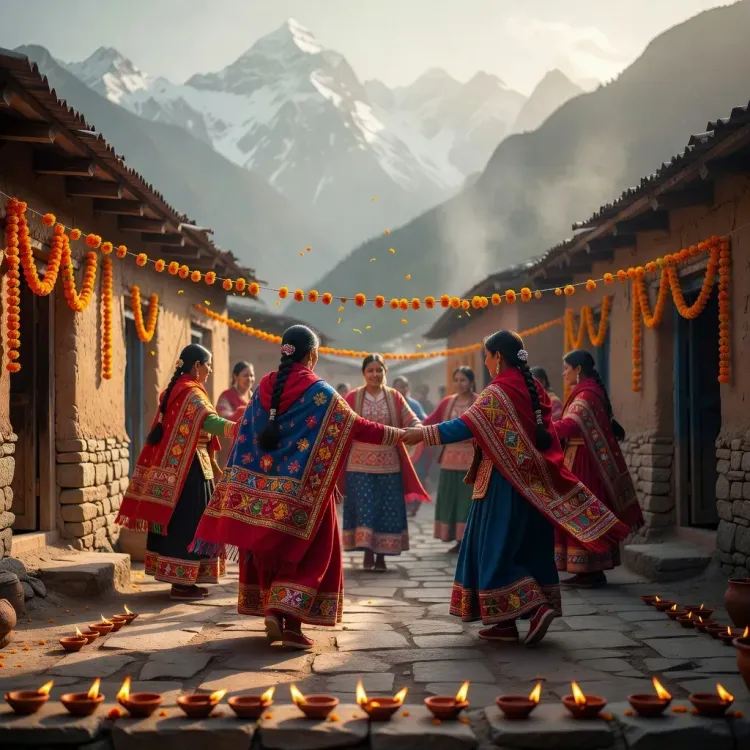
Chief Minister Pushkar Singh Dhami has declared that Uttarakhand is actively safeguarding its rich Garhwali and Kumaoni cultural traditions, reinforcing the state's identity as a Himalayan heritage hub amid ongoing out-migration pressures.
Key Takeaways
CM Pushkar Singh Dhami stated on 18 November 2026 that Uttarakhand is preserving its culture and traditions.
Uttarakhand carries distinct Garhwali and Kumaoni cultural identities, including folk music, the Aipan art form, and major religious fairs.
The Char Dham pilgrimage network forms a central pillar of the state's cultural and economic identity.
Demographic out-migration from hill villages poses a long-term threat to traditional arts, dialects, and community festivals.
State-level cultural patronage — festivals, folk-art grants, heritage tourism — is a key policy tool for Himalayan governments.
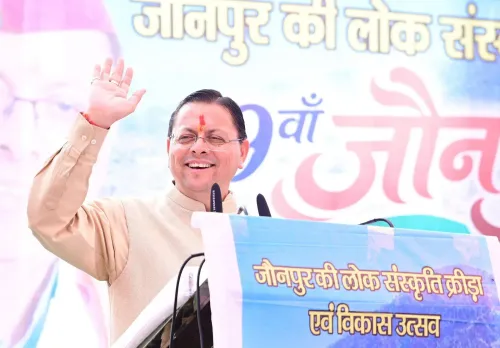
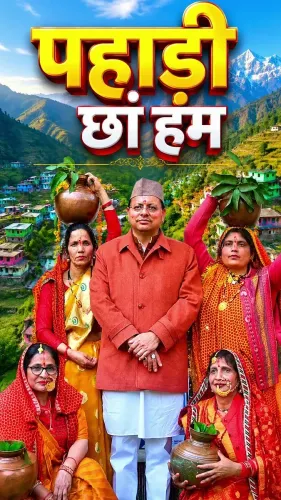
Uttarakhand's distinct Himalayan identity — its Garhwali songs, Kumaoni rituals, ancient temple circuits, and folk arts — has a vocal champion in the state's top office. The Chief Minister's Office of Uttarakhand posted on Wednesday, 18 November 2026, quoting Chief Minister Pushkar Singh Dhami with a pointed assertion: 'Sanskriti aur parampraon ko sahej raha Uttarakhand' ('Uttarakhand is safeguarding its culture and traditions').
A State That Wears Its Heritage Proudly
Uttarakhand has long positioned itself as more than a tourism destination. The state sits at the confluence of two distinct cultural belts — Garhwal in the west and Kumaon in the east — each carrying centuries-old traditions in music, dance, dialect, and religious practice. For state administrations across party lines, invoking this heritage has been both a matter of genuine pride and smart governance: cultural identity binds communities and powers the pilgrimage-and-tourism economy that keeps the hill state's finances afloat.
CM Dhami, who has led the state since 2021, has consistently framed cultural preservation as central to Uttarakhand's development model. The statement comes amid sustained state-level emphasis on temple heritage corridors, folk-arts documentation, and regional language promotion — policy threads that run across Indian hill states looking to anchor identity in a fast-urbanising country.
Why Cultural Stewardship Matters in the Hills
The demographic pressure on Himalayan culture is real. Decades of out-migration from villages to plains cities have thinned the audience for traditional performing arts, local dialects, and community festivals. State patronage — through festivals, grants to folk artists, and heritage tourism infrastructure — becomes the last institutional line of defence for practices that might otherwise quietly disappear within a generation.
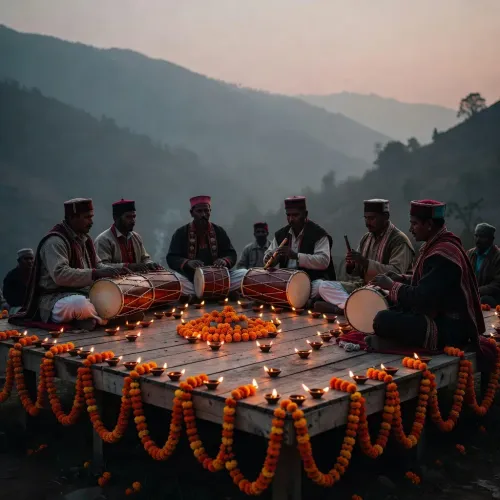
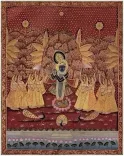
Uttarakhand's cultural ecosystem includes Garhwali and Kumaoni folk music, the Aipan ritual art form, the Jauljibi and Nanda Devi Raj Jat fairs, and a dense network of Char Dham pilgrimage sites that together form one of India's most iconic spiritual landscapes. Any government serious about preserving them must move beyond ceremonial claims into funded, institutionalised action.
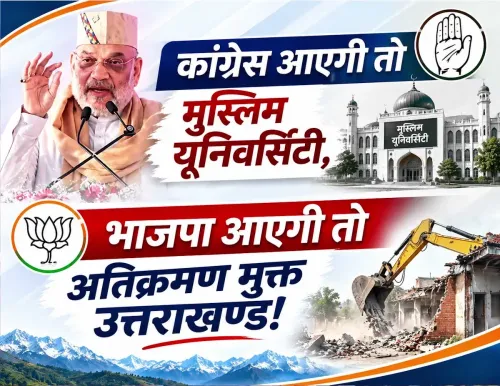
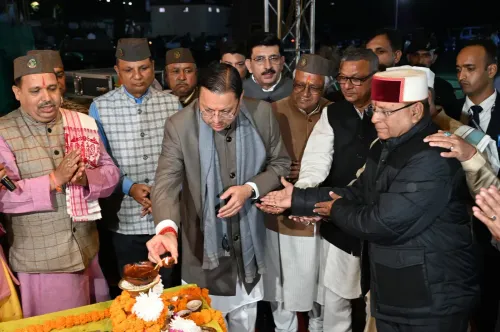
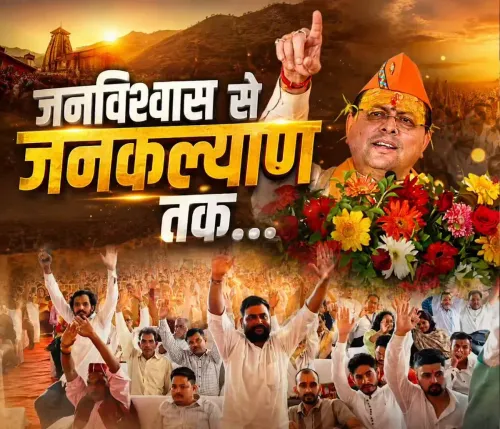
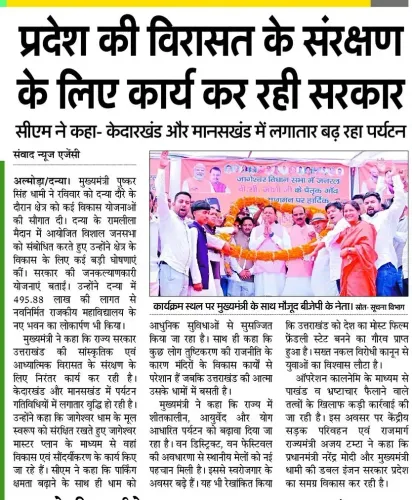
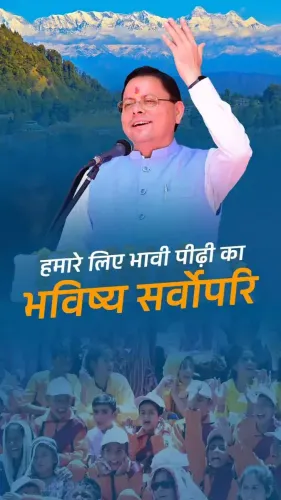
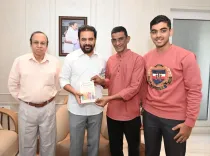
The post, accompanied by two images, signals a continued public messaging effort around cultural stewardship — one that local communities and cultural practitioners will watch for follow-through in budget allocations and upcoming state festivals.
Point of View
Where regional identity politics and development messaging are increasingly intertwined. The statement's timing — without a specific scheme attached — suggests it functions as a broader brand signal ahead of potential festival-season or budget-linked announcements. For a state whose economy depends heavily on pilgrimage tourism, cultural stewardship is not just soft politics but hard economics. The real test will be whether institutional follow-through — in funding, documentation, and artist welfare — matches the rhetorical weight.
NationPress
18 Nov 2026
Frequently Asked Questions
What did CM Pushkar Singh Dhami say about Uttarakhand culture?
CM Dhami stated that Uttarakhand is actively safeguarding its culture and traditions, underscoring the state government's commitment to preserving Garhwali and Kumaoni heritage.
What are the main cultural traditions of Uttarakhand?
Uttarakhand's cultural traditions include Garhwali and Kumaoni folk music and dance, the Aipan ritual art form, regional dialects, and large religious gatherings such as the Nanda Devi Raj Jat and Jauljibi fair.
Why is cultural preservation important for Uttarakhand?
Decades of out-migration have depleted the rural communities that sustain traditional arts and dialects. State patronage through festivals, grants, and heritage tourism infrastructure is critical to keeping these practices alive.
Who is Pushkar Singh Dhami?
Pushkar Singh Dhami is the Chief Minister of Uttarakhand, representing the BJP. He has led the state since 2021 and has consistently emphasised cultural heritage alongside infrastructure development.
How does Uttarakhand's culture connect to its tourism economy?
The Char Dham pilgrimage network, folk festivals, and regional arts are major tourism draws, making cultural preservation both a heritage goal and an economic strategy for the Himalayan state.