Rajnath Singh visits JMSDF Naval Base Yokosuka in Japan
Synopsis
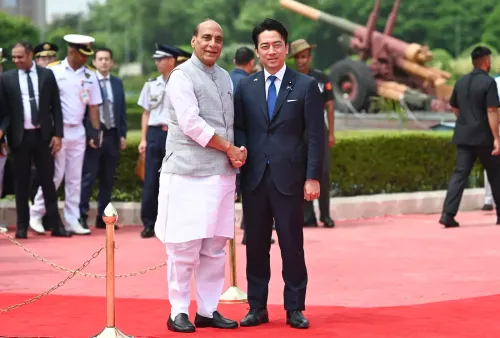
Union Defence Minister Rajnath Singh visited the JMSDF Naval Base at Yokosuka, Japan on November 18, alongside counterpart Shinjiro Koizumi. The stop deepens India-Japan naval ties under the 2+2 framework and signals growing Indo-Pacific security cooperation between the two democracies.
Key Takeaways
Rajnath Singh visited the JMSDF Naval Base at Yokosuka , Japan on November 18, 2026 .
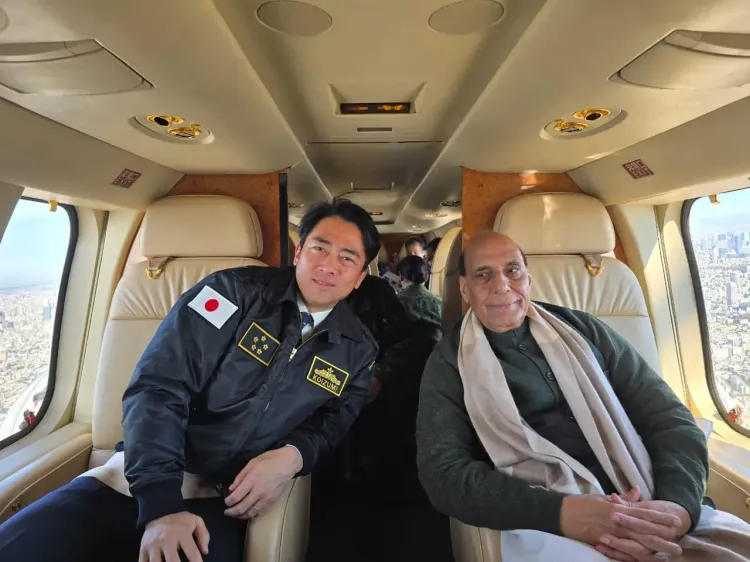
His Japanese counterpart Shinjiro Koizumi hosted the visit, as acknowledged by Singh on X.
Yokosuka is the operational headquarters of Japan's Maritime Self-Defense Force and also home to the US Seventh Fleet.
India and Japan established the 2+2 Defence and Foreign Ministers' Dialogue in 2019 to deepen bilateral security cooperation.
The visit reinforces India's expanding naval engagement with Japan through joint exercises, port visits, and logistics agreements in the Indo-Pacific .
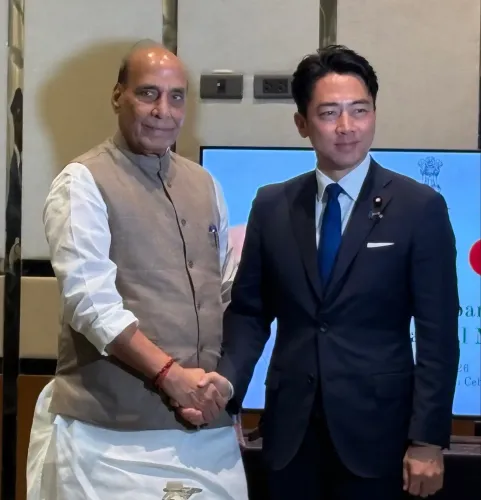
India's naval diplomacy touched down at one of Japan's most strategically significant military installations on Wednesday, November 18, as Union Defence Minister Rajnath Singh made his way to the Japan Maritime Self-Defense Force (JMSDF) Naval Base at Yokosuka, accompanied by his Japanese counterpart in a show of bilateral warmth.
Yokosuka: Where Japan's Maritime Muscle Is Based
Yokosuka, located on Tokyo Bay in Kanagawa Prefecture, is the operational nerve centre of the JMSDF and also hosts the United States Seventh Fleet — making it one of the most consequential naval installations in the Indo-Pacific. A visit there by an Indian Defence Minister is not a photo opportunity. It is a signal.
Rajnath Singh tagged his Japanese counterpart Shinjiro Koizumi in the post, calling him 'the perfect host' — a small diplomatic grace note that underscores the personal rapport that often lubricates harder strategic conversations.
India-Japan Defence Ties and the 2+2 Framework
The visit sits inside a deepening architecture of India-Japan security cooperation that was formalised with the 2+2 Defence and Foreign Ministers' Dialogue, established in 2019. That format — now a fixture of the relationship — brings together both nations' top diplomats and defence chiefs to coordinate on shared concerns across the Indo-Pacific.
India has steadily expanded its naval engagement with Japan through port visits, joint exercises, and logistics agreements. The Yokosuka stop fits that pattern: deepening interoperability, building familiarity between commanders and equipment, and reinforcing the idea that the two democracies can operate together at sea.
What a Naval Base Visit Actually Does
These visits matter beyond the handshakes. Senior defence ministers touring operational bases gain firsthand exposure to force structure, capabilities, and doctrine — conversations that are harder to have across a conference table. For the Indian Navy and the JMSDF, shared familiarity translates into faster coordination during multinational exercises and, in a crisis, into real operational advantage.
The Indo-Pacific is increasingly contested, and both India and Japan have overlapping interests in freedom of navigation, maritime domain awareness, and stable sea lanes. Every visit like this one chips away at the friction that keeps even like-minded navies from moving in concert.
Whether the Yokosuka stop produces a formal statement on joint training or reciprocal visits will be the metric to watch — but the direction of travel is already clear.
Point of View
Tokyo and New Delhi are quietly building the interoperability infrastructure that strategic alignment eventually demands. The personal warmth Singh signals toward Koizumi also suggests the two sides are investing in durable working relationships that can survive changes in government.
NationPress
18 Nov 2026
Frequently Asked Questions
Why did Rajnath Singh visit Yokosuka in Japan?
Rajnath Singh visited the JMSDF Naval Base at Yokosuka as part of India's expanding defence engagement with Japan, meeting his Japanese counterpart to deepen bilateral security and naval cooperation in the Indo-Pacific.
What is the JMSDF Naval Base at Yokosuka?
The JMSDF Naval Base at Yokosuka is the operational headquarters of Japan's Maritime Self-Defense Force, located on Tokyo Bay. It is one of the most significant naval installations in the Indo-Pacific and also hosts the US Seventh Fleet.
What is the India-Japan 2+2 dialogue?
The India-Japan 2+2 Dialogue, established in 2019, is a ministerial-level format that brings together both nations' defence and foreign ministers to coordinate on security and strategic issues, particularly in the Indo-Pacific.
Who is Shinjiro Koizumi?
Shinjiro Koizumi is a Japanese politician serving as Defence Minister, identified by Rajnath Singh as his counterpart and host during the Yokosuka visit.
What does the Yokosuka visit mean for India-Japan relations?
The visit signals deepening operational ties between the Indian Navy and the JMSDF, building on joint exercises and logistics agreements that underpin India's broader Indo-Pacific strategy alongside democratic partners.