India's first H5N1 bird flu vaccine for poultry launched by Shivraj Singh Chouhan
Synopsis
India has finally closed a critical gap in poultry biosecurity: the country's first indigenous H5N1 bird flu vaccine, targeting the Clade 2.3.2.1a strain behind over 500 domestic outbreaks since 2006, was dedicated to the nation on 20 November. With a major outbreak capable of cutting GDP growth by 1.5% and threatening 20% of India's poultry population, the ICAR-NIHSAD breakthrough is as much an economic safeguard as it is a public health one.
Key Takeaways
Union Minister Shivraj Singh Chouhan dedicated India's first indigenous H5N1 HPAI poultry vaccine to the nation on 20 November 2026 .
The vaccine was developed by ICAR-NIHSAD in Bhopal and targets the H5N1 Clade 2.3.2.1a strain — previously without a commercial vaccine in India.
India has recorded more than 500 avian influenza outbreaks since 2006 ; the 2006 event alone caused losses of ₹2,200 crore to ₹3,000 crore .
A major outbreak could reduce India's GDP growth by 1.5% and endanger over 20% of the national poultry population, according to official estimates.
The WHO has recorded 1,003 human H5N1 cases and 479 deaths across 25 countries since 2003, underscoring the zoonotic risk dimension.
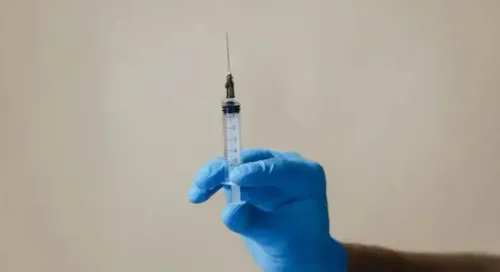
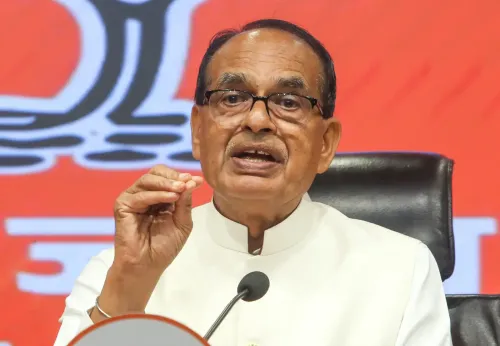
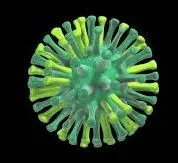
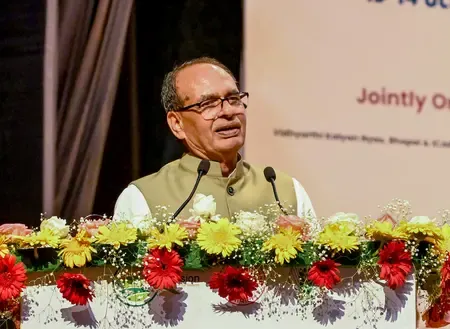
Union Minister of Agriculture and Farmers Welfare Shivraj Singh Chouhan on Friday, 20 November 2026, dedicated India's first indigenous inactivated H5N1 Highly Pathogenic Avian Influenza (HPAI) vaccine for poultry to the nation — a landmark moment for the country's biosecurity and agriculture sectors. Developed by the Bhopal-based ICAR-National Institute of High Security Animal Diseases (ICAR-NIHSAD), the vaccine was unveiled at the institute and directly addresses the circulating H5N1 Clade 2.3.2.1a strain — against which no commercial vaccine had previously existed in India.
What Makes This Vaccine a Breakthrough
Until now, India's poultry sector had no strain-specific commercial protection against the H5N1 Clade 2.3.2.1a variant responsible for most domestic outbreaks in chickens. ICAR-NIHSAD's indigenous inactivated vaccine fills this critical gap, targeting the circulating strain directly rather than relying on broader, less-effective formulations. Recent virological studies indicate this clade has also been detected in mammals, alongside three reported human cases, adding urgency to the vaccine's deployment.
The unveiling marks a significant step in indigenising India's veterinary pharmaceutical capabilities — reducing dependence on imports and enabling faster outbreak response at scale.
The Scale of Bird Flu's Threat to India
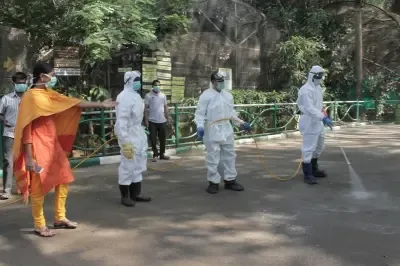
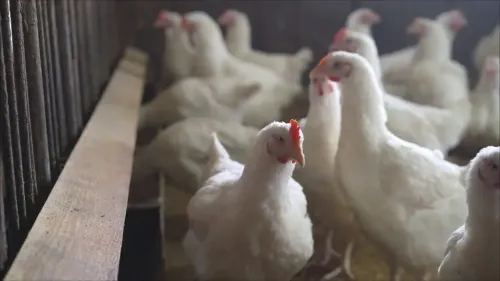
India has recorded more than 500 outbreaks of avian influenza involving the H5N1 and H5N8 subtypes since the first confirmed domestic case in 2006. The economic toll has been severe: the 2006 outbreak alone inflicted estimated direct and indirect losses of ₹2,200 crore to ₹3,000 crore, while a separate outbreak in Manipur caused losses equivalent to 0.5% of the state's GDP.
Official estimates warn that a major outbreak could shave 1.5% off India's GDP growth and put more than 20% of the national poultry population at risk. Beyond economics, outbreaks trigger mass culling, international trade bans, and sharp spikes in poultry product prices — all of which hit farmers and consumers hardest.
Public Health Dimension
H5N1 is not merely an agricultural concern. According to the World Health Organization (WHO), 1,003 human cases of H5N1 avian influenza — resulting in 479 deaths — have been reported across 25 countries, including India, since 2003. The virus's documented ability to infect mammals and, in rare instances, humans means that protecting poultry populations is also a first line of defence for public health.
By limiting viral transmission from chickens to other animals and potentially to humans, the new vaccine is expected to reduce zoonotic risk — a priority the government and health authorities have emphasised in the context of pandemic preparedness.
What Happens Next
With the vaccine now formally dedicated to the nation, attention shifts to its rollout across vulnerable poultry populations, particularly in states with histories of repeated outbreaks. Industry bodies and state animal husbandry departments are expected to coordinate deployment timelines. The development also positions ICAR-NIHSAD as a key node in India's animal disease research infrastructure, with potential for the institute to extend its work to other high-pathogenicity strains in the future.
Point of View
The Clade 2.3.2.1a strain's documented spillover into mammals and rare human cases makes this a dual-use biosecurity asset, not just an agricultural tool. Whether the government treats it as such — by integrating it into pandemic preparedness frameworks and not just poultry ministry budgets — will define the vaccine's real-world impact.
NationPress
20 Nov 2026
Frequently Asked Questions
What is India's first indigenous H5N1 bird flu vaccine for poultry?
It is an indigenously developed inactivated vaccine targeting the H5N1 Clade 2.3.2.1a strain of Highly Pathogenic Avian Influenza (HPAI), created by ICAR-NIHSAD in Bhopal. It is the first commercial-grade strain-specific vaccine available in India for the circulating H5N1 variant affecting poultry.
Who launched the H5N1 poultry vaccine and when?
Union Minister of Agriculture and Farmers Welfare Shivraj Singh Chouhan formally dedicated the vaccine to the nation on Friday, 20 November 2026, at the ICAR-NIHSAD facility in Bhopal.
Why is the H5N1 bird flu vaccine significant for India?
India has experienced over 500 avian influenza outbreaks since 2006, with no strain-specific commercial vaccine previously available for the dominant Clade 2.3.2.1a strain. Official estimates indicate a major outbreak could reduce GDP growth by 1.5% and put more than 20% of the national poultry population at risk.
Does H5N1 bird flu pose a risk to humans?
Yes. The WHO has recorded 1,003 human H5N1 cases and 479 deaths across 25 countries, including India, since 2003. The Clade 2.3.2.1a strain has also been detected in mammals, with three human cases reported, making poultry vaccination an indirect public health measure as well.
What economic losses has bird flu caused in India?
The 2006 avian influenza outbreak in India caused estimated direct and indirect losses of ₹2,200 crore to ₹3,000 crore, while a separate outbreak in Manipur caused losses equivalent to 0.5% of the state's GDP. Mass culling, trade bans, and rising poultry prices compounded financial damage to farmers each time.