Shivraj Singh Chouhan announces indigenous bird flu vaccine
Synopsis
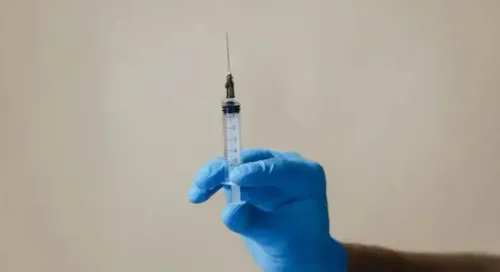
Union Agriculture Minister Shivraj Singh Chouhan has announced that ICAR's NIHSAD institute has developed a fully indigenous bird flu vaccine, to be dedicated to the nation on 20 November 2026, aiming to protect poultry and prevent human transmission of avian influenza.
Key Takeaways
ICAR's NIHSAD institute in Bhopal has developed a fully indigenous avian influenza (bird flu) vaccine for poultry.
The vaccine will be formally dedicated to the nation on 20 November 2026 by Union Agriculture Minister Shivraj Singh Chouhan .
India has recorded bird flu outbreaks 500 times according to Chouhan's announcement, with both mass poultry culls and human transmission risks each time.
The development is framed under PM Modi's Atmanirbhar Bharat initiative, eliminating dependence on imported animal-health vaccines.
The vaccine is expected to protect chickens from avian influenza and simultaneously cut the chain of zoonotic transmission to humans .
State-level rollout and integration into poultry disease-control programmes will follow the formal launch.
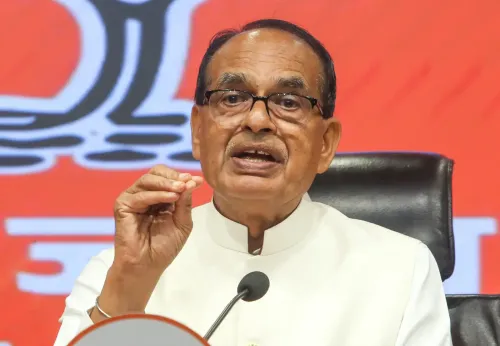
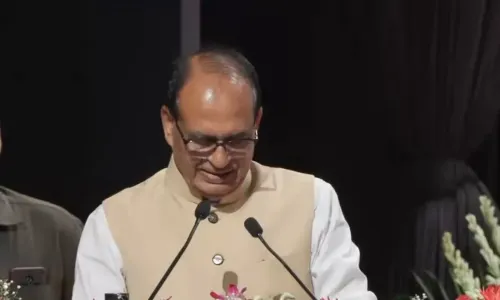
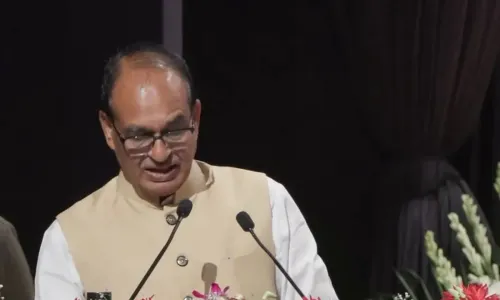
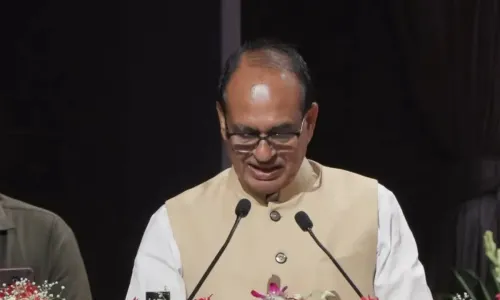
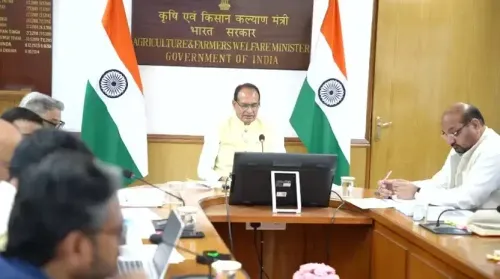
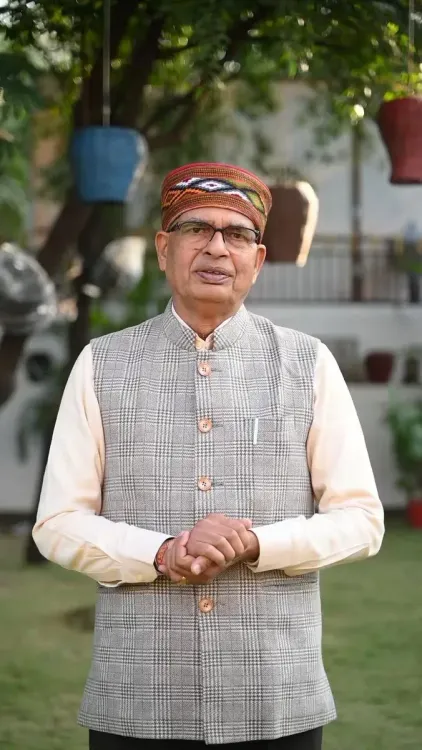
India's poultry sector — and the farmers who depend on it — is about to get a homegrown shield against one of its most feared and recurring threats. Union Agriculture Minister Shivraj Singh Chouhan announced on Thursday, 19 November 2026, that a fully indigenous bird flu vaccine developed by an ICAR institute will be formally dedicated to the nation on 20 November 2026, calling it a landmark step in protecting both poultry and human health.
Posting on X in Hindi, the Minister said: 'Dear brothers and sisters, I bring you good news. Bird flu is a disease that, if it spreads, causes enormous damage — large numbers of chickens are killed, and there is also the risk of the disease spreading from chickens to humans. Our country has seen bird flu outbreaks 500 times so far. But now there is no need to fear.' He added that the vaccine, developed by ICAR's NIHSAD institute, will protect chickens from avian influenza and, critically, cut the chain of transmission to humans as well.
NIHSAD's breakthrough and the Atmanirbhar link
The vaccine comes from the National Institute of High Security Animal Diseases (NIHSAD), a specialised ICAR laboratory in Bhopal that works on the most dangerous animal pathogens in the country. Chouhan credited Prime Minister Narendra Modi's vision of self-reliance as the inspiration behind the development — 'jo Pradhanmantri ji ki prerana se bani hai' (which was made with the inspiration of the Prime Minister) — placing the announcement firmly within the Atmanirbhar Bharat framework launched in 2020.
India's first recorded avian influenza outbreak was in 2006. Since then the Department of Animal Husbandry has built national surveillance and control protocols, but every fresh outbreak has meant mass culling, economic losses for poultry farmers, and anxiety about zoonotic spillover. An indigenous vaccine changes that calculus entirely — no import dependence, no foreign pricing, and faster deployment across a supply chain already embedded in Indian agriculture.
What the 20 November dedication means for poultry farmers
The Minister framed the launch in emphatically human terms: poultry farmers spared the trauma of mass culls, rural livelihoods protected, and the broader public shielded from a disease that has sporadically alarmed health authorities worldwide. The 'One Health' logic — that animal health and human health are inseparable — underpins the entire announcement.
What happens next will matter enormously. The formal dedication on 20 November marks the beginning, not the end. State-level animal husbandry departments will need to integrate the vaccine into existing poultry disease-control programmes, and the speed of that rollout will determine how quickly India's roughly 850 million-bird poultry population gains meaningful protection.
India has built domestic capacity for human vaccines — the COVID-19 experience proved that. Now the same logic is arriving in the livestock sector. If the rollout delivers, the next bird flu outbreak may look very different from the 500 that came before it.
Point of View
A home-grown solution to a recurring agricultural crisis is a politically potent proof-point of research self-reliance. The 'One Health' framing — linking poultry protection to human health security — also elevates the announcement beyond routine agrarian policy into the terrain of public health, potentially broadening its political salience. The real test, however, will be the speed and equity of state-level vaccine distribution, where India's federal implementation gaps have often blunted central-level breakthroughs.
NationPress
19 Nov 2026
Frequently Asked Questions
What is India's new indigenous bird flu vaccine?
It is a fully home-grown avian influenza vaccine developed by NIHSAD (National Institute of High Security Animal Diseases), a specialised institute under ICAR based in Bhopal . The vaccine is designed to immunise chickens against bird flu, thereby also reducing the risk of the disease spreading to humans.
When will India's bird flu vaccine be launched?
Union Agriculture Minister Shivraj Singh Chouhan announced the vaccine will be formally dedicated to the nation on 20 November 2026 .
How many bird flu outbreaks has India had?
According to Minister Chouhan's announcement, India has recorded bird flu outbreaks 500 times since the first confirmed case in 2006.
What is NIHSAD and what does it do?
NIHSAD — the National Institute of High Security Animal Diseases — is a specialised laboratory under ICAR in Bhopal that researches and develops solutions for high-risk animal pathogens, including avian influenza.
Can bird flu spread from chickens to humans in India?
Yes, avian influenza (bird flu) carries a documented risk of zoonotic transmission — meaning it can spread from infected poultry to humans. The new indigenous vaccine is specifically highlighted as a tool to break this transmission chain by first protecting poultry.