Shivraj Singh Chouhan Dedicates India's First Indigenous H5N1 Poultry Vaccine
Synopsis
Union Agriculture Minister Shivraj Singh Chouhan announced the dedication of India's first fully indigenous H5N1 avian influenza vaccine — developed by ICAR-NIHSAD, Bhopal — to the nation on 20 November 2026, marking a significant Atmanirbhar Bharat milestone in veterinary biotechnology and poultry farmer protection.
Key Takeaways
India's first fully indigenous H5N1 avian influenza vaccine for poultry has been dedicated to the nation on 20 November 2026 .
The vaccine was developed by ICAR–NIHSAD (National Institute of High Security Animal Diseases) , based in Bhopal, Madhya Pradesh .
Union Agriculture Minister Shivraj Singh Chouhan credited the milestone to PM Narendra Modi's Atmanirbhar Bharat vision.
An indigenous vaccine reduces India's dependence on imported biologicals during avian influenza outbreaks , enabling faster and cheaper deployment.
Livestock contributes roughly a quarter of India's agricultural GDP and is a primary income source for tens of millions of marginal farmers.
Key next steps include field efficacy data, state-level distribution, and cold-chain logistics to ensure farm-level reach before the next outbreak cycle.
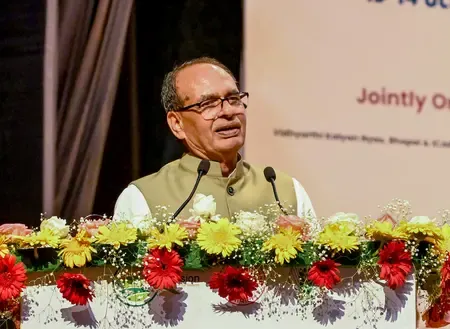
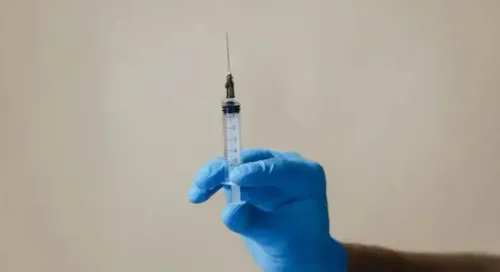
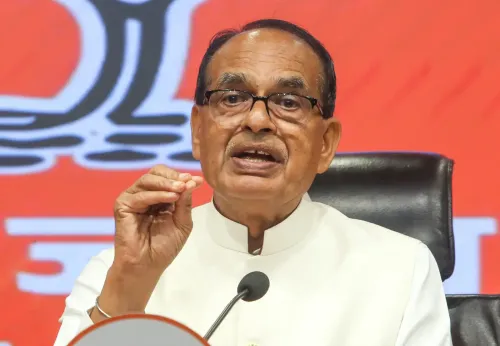
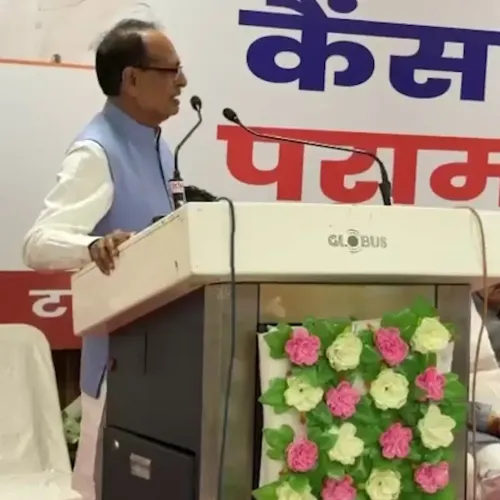
India's poultry sector got a landmark shield on Friday, 20 November 2026, as Union Agriculture Minister Shivraj Singh Chouhan announced the dedication of the country's first fully indigenous H5N1 avian influenza vaccine to the nation — a vaccine developed by ICAR–NIHSAD, Bhopal, and positioned as a defining step in India's self-reliance push for veterinary biotechnology.
Posting on X alongside an article he authored in Dainik Jagran, Chouhan wrote: 'Healthy livestock is the foundation of farmers' prosperity and the strength of the rural economy. Efforts to protect livestock through the development of indigenous vaccines, scientific research and modern technology — and to raise farmers' incomes — are continuously ongoing.' He credited the initiative to the inspiration of Prime Minister Narendra Modi and his Atmanirbhar Bharat vision.What ICAR–NIHSAD's H5N1 Breakthrough Actually Means
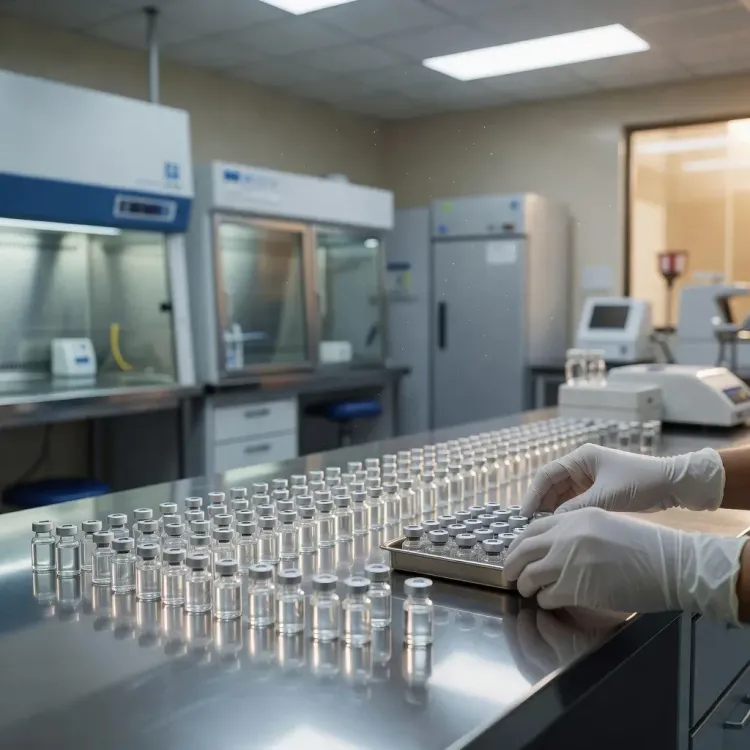
ICAR–NIHSAD — the National Institute of High Security Animal Diseases, headquartered in Bhopal, Madhya Pradesh — is India's apex facility for research on high-risk animal pathogens. Developing a vaccine against H5N1 highly pathogenic avian influenza entirely within the country means India no longer needs to depend on imported biologicals to protect its poultry stock during outbreaks — a vulnerability that has historically forced costly emergency procurement from abroad while birds and farmer livelihoods waited. Avian influenza outbreaks have caused devastating losses to India's poultry industry in multiple waves over the past two decades, triggering mass culling, trade restrictions and income collapse for small farmers. An indigenous, domestically producible vaccine changes that equation fundamentally: faster deployment, lower cost, and supply chains immune to global disruption.The Atmanirbhar Bharat Arc in Veterinary Science
The Atmanirbhar Bharat Abhiyan, launched in May 2020, explicitly targeted indigenous R&D in vaccines and biotechnology — a mandate that has since flowed into the animal health sector, not just human medicine. The National Livestock Mission, running since 2014, laid the infrastructure groundwork: strengthening ICAR institutes, expanding cold-chain capacity, and linking animal health directly to rural income targets. Chouhan's framing is deliberate: livestock is not a side-note in India's agricultural economy. It contributes roughly a quarter of total agricultural GDP and is the primary income buffer for tens of millions of marginal farmers — especially in states like Madhya Pradesh, Uttar Pradesh, and Rajasthan — who keep poultry as low-capital, high-frequency earners. Protecting that asset with a homegrown vaccine is as much an economic intervention as a scientific one.Rollout, Efficacy, and What Farmers Need Next
The critical questions now are speed and reach. Field efficacy data, state-level distribution agreements, and cold-chain logistics will determine whether this breakthrough translates into on-ground protection before the next outbreak cycle. Veterinary public health experts have long flagged the gap between vaccine development milestones and actual farm-level deployment — a gap the government will need to close with equal urgency. Similar indigenous vaccine projects for other high-mortality livestock diseases — foot-and-mouth disease, brucellosis, lumpy skin disease — are likely to follow in future ICAR pipelines and upcoming Union Budget allocations, with the H5N1 vaccine serving as both proof-of-concept and political momentum. India just made its first fully domestic line of defence against one of poultry farming's most feared diseases. The vaccine exists. Now comes the harder job: getting it into the field, into the cold chain, and into the hands of farmers before the next avian influenza season arrives.Point of View
Chouhan is making a political argument as much as a policy one: that indigenous R&D at ICAR institutes has direct, tangible consequences for the country's most vulnerable agricultural households. The move also sets a template — if H5N1, then why not brucellosis or lumpy skin disease next? — that could accelerate the indigenisation of India's entire veterinary vaccine pipeline in upcoming budget cycles. The real test, however, will be execution: India has a pattern of celebrated vaccine milestones that take years to reach field scale, and poultry farmers cannot afford that lag.
NationPress
20 Nov 2026
Frequently Asked Questions
What is India's first indigenous H5N1 poultry vaccine?
It is a fully indigenously developed vaccine against the H5N1 strain of highly pathogenic avian influenza, designed for chickens and created by ICAR–NIHSAD (National Institute of High Security Animal Diseases) in Bhopal. It was dedicated to the nation on 20 November 2026, eliminating India's dependence on imported H5N1 vaccines for its poultry sector.
What is ICAR-NIHSAD and where is it located?
ICAR–NIHSAD stands for National Institute of High Security Animal Diseases. It is an institute under the Indian Council of Agricultural Research (ICAR), located in Bhopal, Madhya Pradesh, and specialises in research on high-risk animal pathogens including avian influenza.
Why is an indigenous H5N1 vaccine important for Indian farmers?
Avian influenza outbreaks have caused massive losses to Indian poultry farmers through mass culling and trade restrictions. A domestically produced vaccine means faster deployment during outbreaks, lower costs, and supply chains not dependent on foreign suppliers — directly protecting the incomes of poultry farmers, particularly marginal ones.
What is the Atmanirbhar Bharat connection to this vaccine?
Atmanirbhar Bharat Abhiyan, launched by PM Narendra Modi in May 2020, promotes indigenous development in critical sectors including vaccines and biotechnology. The H5N1 poultry vaccine is a direct output of this policy thrust, extending self-reliance from human medicine into veterinary science.
When will the H5N1 vaccine be available to poultry farmers?
A specific nationwide rollout timeline has not been officially confirmed. The critical next steps include field efficacy trials, state-level distribution agreements, and cold-chain logistics — all of which will determine how quickly the vaccine reaches farmers on the ground.