Shivraj Singh Chouhan Urges Free HPV Vaccine for Girls Under 14
Synopsis
Union Agriculture Minister Shivraj Singh Chouhan on June 7, 2026 publicly appealed to parents to get daughters up to age 14 vaccinated with the free HPV vaccine available at government health facilities, pledging to personally lead an awareness campaign against cervical cancer.
Key Takeaways
Union Agriculture Minister Shivraj Singh Chouhan made a public appeal on June 7, 2026 urging parents to vaccinate daughters against cervical cancer.
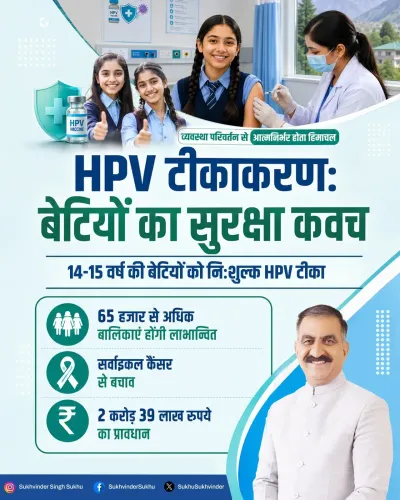
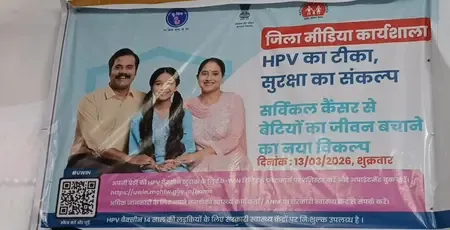
The HPV vaccine is available free of charge for girls up to 14 years of age at government PHCs, CHCs, medical colleges, and district hospitals.
Chouhan pledged to personally run an awareness campaign and invited citizens to participate.
Cervical cancer is largely preventable through timely HPV vaccination, making early uptake critical.
The vaccine's inclusion in India's Universal Immunization Programme followed NTAGI recommendations and state-level pilots in the early 2020s.
The appeal directly addresses social hesitancy and fear that have historically reduced vaccination uptake in rural communities.
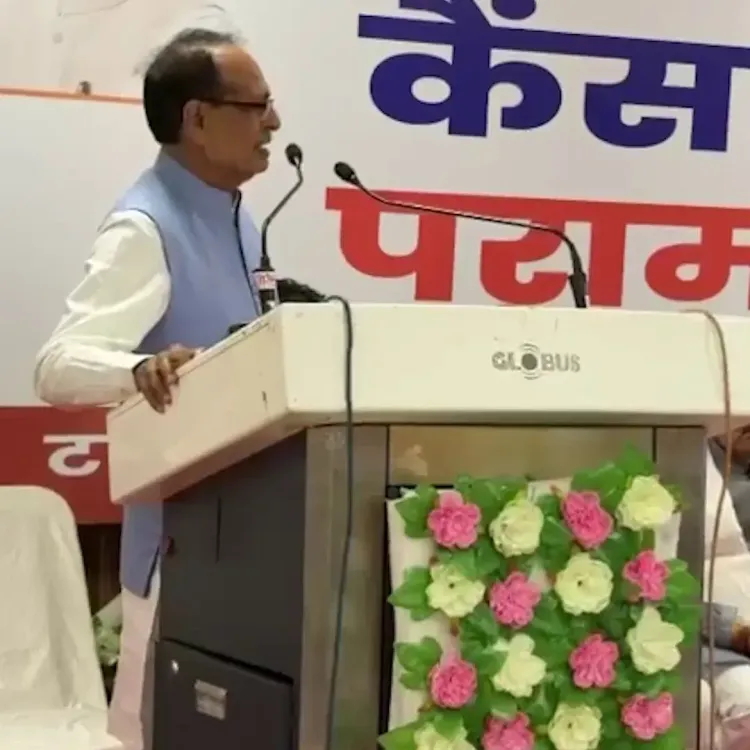
Union Agriculture Minister Shivraj Singh Chouhan on Sunday, June 7, 2026, made a public appeal urging parents across India to vaccinate their daughters against cervical cancer, calling the freely available HPV vaccine a 'protective shield' for their lives. The appeal, posted on his official X account, emphasised that the vaccine is available at no cost across the government health network.
In his post, Chouhan wrote — translated from Hindi — 'Meri bhai-behnon' ('My brothers and sisters'), addressing citizens directly before urging them: 'Get your daughters up to the age of 14 years vaccinated with the HPV vaccine without fail.' He described the vaccine as 'a guarantee of a healthy, safe and cancer-free life,' and added that he would personally run a campaign and invited citizens to join as participants.
Context
Cervical cancer is caused primarily by persistent infection with the Human Papillomavirus (HPV), and it remains one of the leading causes of cancer-related deaths among women in India. Unlike most cancers, it is largely preventable through timely vaccination, making awareness drives critical to reducing mortality. Chouhan's appeal specifically targets girls up to age 14, the window during which the vaccine confers the strongest protective benefit.
The minister highlighted that the vaccine is available free of charge at Primary Health Centres (PHCs), Community Health Centres (CHCs), medical colleges, and district hospitals nationwide. His message — 'Sankoch chhodiye, dar chhodiye, jagruk baniye' ('Shed hesitation, shed fear, become aware') — directly addresses the social reluctance and misinformation that have historically hampered vaccination uptake in rural and semi-urban communities.
Policy Backdrop
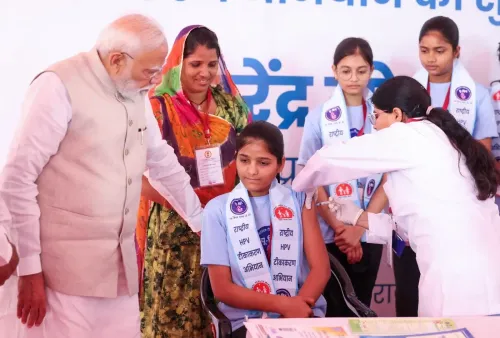
India's Universal Immunization Programme (UIP) began incorporating the HPV vaccine for girls aged 9 to 14 following recommendations by the National Technical Advisory Group on Immunisation (NTAGI) and early state-level pilot programmes in the early 2020s. The inclusion of HPV vaccination within the public health system marked a significant step in India's strategy to address non-communicable diseases through preventive care.
The move to offer the vaccine free through the public network was designed to ensure that economic barriers do not prevent adolescent girls from accessing protection. National programmes on non-communicable diseases have since run parallel screening and vaccination efforts to tackle cervical cancer at scale.
Stakeholders and Impact
The primary beneficiaries are adolescent girls up to age 14 and their parents, particularly in states with lower public health literacy or limited access to private healthcare. Ministers from non-health portfolios — such as Agriculture — publicly amplifying health campaigns is a recognised strategy to broaden reach, especially in rural constituencies where such ministers often carry significant community trust.
Chouhan, a former four-term Chief Minister of Madhya Pradesh, commands a wide following in central and rural India. His pledge to personally run an awareness campaign could meaningfully extend the message beyond urban centres and into the heartland districts where HPV vaccine uptake has lagged.
What's Next
Attention will now turn to whether Chouhan's announced campaign translates into ground-level outreach events, particularly in Madhya Pradesh and other BJP-governed states. State-level immunisation coverage data in the months ahead will indicate whether such ministerial awareness pushes move the needle on HPV vaccination rates.
Any parliamentary or budgetary discussion on strengthening the HPV component within the Universal Immunization Programme will also be closely watched, as sustained funding and supply-chain reliability remain critical to the programme's long-term success.
Point of View
A pattern Chouhan deployed effectively during his Madhya Pradesh tenure. Coming as the Universal Immunization Programme seeks to scale HPV coverage nationally, cross-ministerial amplification could prove more effective than top-down health department drives. The real test, however, will be whether campaign rhetoric translates into measurable uptake gains in the low-coverage districts of central India.
NationPress
20 Sept 2026
Frequently Asked Questions
Is the HPV vaccine free in India for girls?
Yes, the HPV vaccine is available free of cost for girls up to age 14 at government Primary Health Centres, Community Health Centres, medical colleges, and district hospitals across India under the Universal Immunization Programme.
What age should girls get the HPV vaccine in India?
The HPV vaccine is recommended for girls aged 9 to 14 years in India, as vaccination before potential exposure to the virus provides the strongest protection against cervical cancer.
Why is Shivraj Singh Chouhan promoting the HPV vaccine?
As a senior Union Minister and former four-term Chief Minister of Madhya Pradesh, Chouhan is using his public platform to raise awareness about free HPV vaccination and has pledged to personally lead a campaign to boost uptake, particularly in rural areas.
Can the HPV vaccine prevent cervical cancer?
Yes, the HPV vaccine is highly effective at preventing infection from the strains of Human Papillomavirus that cause the majority of cervical cancer cases, making it one of the few vaccines that can prevent a form of cancer.
Where can I get the free HPV vaccine in India?
The free HPV vaccine for girls up to age 14 is available at government Primary Health Centres, Community Health Centres, district hospitals, and medical colleges nationwide.