CM Yogi: UP has moved from riots to celebrations
Synopsis
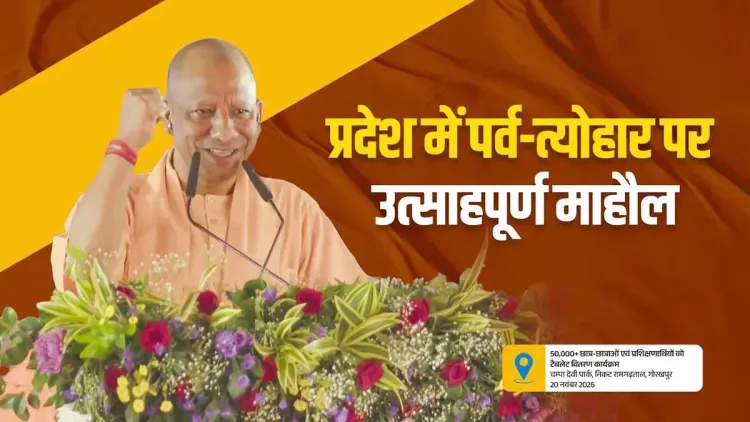
Chief Minister Yogi Adityanath's office declared on 20 November 2026 that Uttar Pradesh has transitioned from communal unrest to peaceful grand festivals, calling a 'grand and divine Diwali' the state's new identity under improved law and order.
Key Takeaways
CM Yogi Adityanath declared that Uttar Pradesh has moved from riots and unrest to hosting large festivals peacefully.
The statement frames a 'grand and divine Diwali' as the defining new identity of Uttar Pradesh.
The governance narrative traces back to the March 2017 elections, when communal violence control was set as an immediate priority.
Districts such as Muzaffarnagar and Saharanpur were cited historically as pre-2017 flashpoints the administration aimed to move beyond.
The Ayodhya Diwali celebration — marked by mass lamp-lighting on the Saryu riverbank — has become the centrepiece of the state's annual public-order showcase.
Official crime data and independent assessments remain the benchmark against which these governance claims will be measured.
A state once synonymous with communal flare-ups now hosts one of India's grandest Diwali spectacles — that is the governing claim Chief Minister Yogi Adityanath's office put on record on Friday, 20 November 2026, in a pointed statement that doubles as a governance report card.
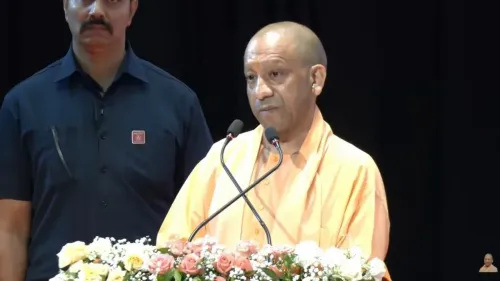
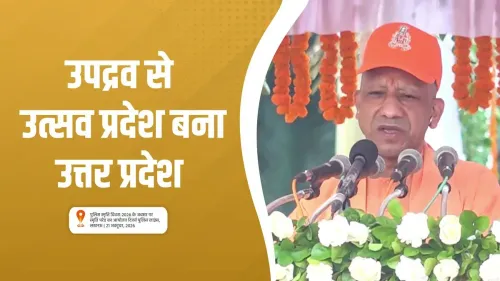
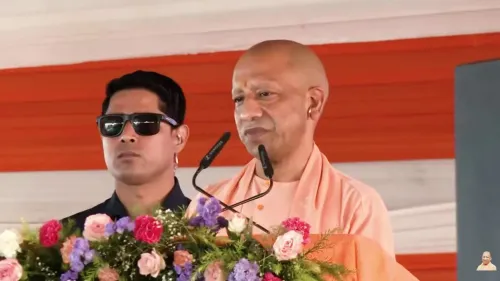
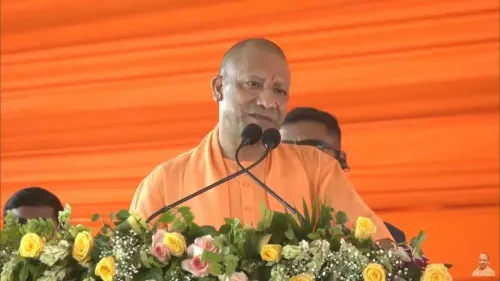
The Chief Minister's Office of Uttar Pradesh quoted CM Yogi Adityanath directly: 'Jis Uttar Pradesh mein pehle upadrav aur dange hote the, aaj wahan bade-bade parv aur tyohaar shantipoorvak ढंग se sampann ho rahe hain' — 'The Uttar Pradesh that once witnessed riots and unrest is today a place where grand festivals and celebrations are held peacefully.' The statement added that a 'grand and divine Diwali' has become the defining identity of the state, calling the journey 'from unrest to celebration' the hallmark of a new Uttar Pradesh.
From Muzaffarnagar to marigolds: the law-and-order shift
The political subtext is deliberate and long-established. When Yogi Adityanath took charge after the March 2017 assembly elections, his administration identified the rollback of communal violence as its most visible early mandate. Districts such as Muzaffarnagar and Saharanpur had been flashpoints in the years before 2017; the government cited those incidents repeatedly as the baseline it aimed to move away from.
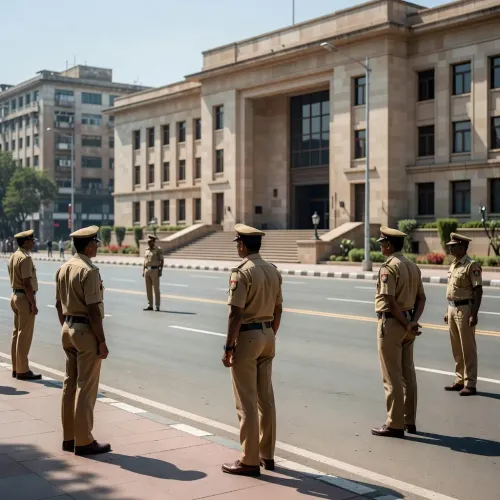
Since then, state messaging has consistently framed improved policing, rapid-response deployment, and administrative coordination as the operational backbone behind large-scale religious events passing without disruption. Similar statements have accompanied Holi, Kanwar Yatra, Ram Navami and other processions over successive years, building a coherent — if contested — public narrative around governance outcomes.
Diwali as a political showcase
The Diwali celebration in Ayodhya has grown into arguably the state's most high-profile annual event under this administration — a spectacle of lit diyas along the Saryu riverbank that has drawn international attention and multiple Guinness World Record entries for the number of earthen lamps lit simultaneously. For the government, the event serves a dual purpose: cultural pride and political symbol, evidence that the state can stage massive public gatherings without incident.
The November 2026 post arrives in the same spirit — a post-festival affirmation that the peace held, the crowds gathered, and the administration delivered. Whether independent assessments of crime data and police deployment tell the same story is a question that annual crime reports and civil-society reviews will continue to probe.
Uttar Pradesh's festival season has become a litmus test for its governance claims. For now, the government has declared the test passed.
Point of View
The Yogi government has built a durable electoral message that is difficult to rebut in the absence of a dramatic counter-event. The framing is clever: it sets the pre-2017 period as the negative baseline, making any comparatively quieter season look like a win. The durability of this narrative depends on whether crime data and civil-society reporting corroborate the government's framing — or complicate it.
NationPress
20 Nov 2026
Frequently Asked Questions
What did CM Yogi Adityanath say about Uttar Pradesh and Diwali?
CM Yogi Adityanath stated that Uttar Pradesh, once known for riots and unrest, now holds grand festivals peacefully, calling a 'grand and divine Diwali' the new identity of the state.
What is the 'upadrav se utsav' statement by CM Yogi?
'Upadrav se utsav' means 'from unrest to celebration.' CM Yogi used the phrase to describe what his government says is a fundamental shift in Uttar Pradesh's law-and-order situation since 2017.
How has Diwali in Uttar Pradesh changed under CM Yogi Adityanath?
The Ayodhya Diwali celebration has grown into a large-scale annual event featuring mass lamp-lighting on the Saryu riverbank, with the state government presenting it as proof of improved governance and peaceful public order.
Which districts in UP were previously known for communal violence?
Muzaffarnagar and Saharanpur were among the districts the Uttar Pradesh government cited as pre-2017 flashpoints when it outlined its law-and-order priorities after the 2017 elections.
Is Uttar Pradesh safer for festivals now compared to before 2017?
The state government consistently claims improved policing has enabled large festivals to pass without disruption since 2017. Independent verification through official crime reports and civil-society assessments continues to be the standard measure.