Hyderabad airport scare: Passenger triggers emergency exit alarm on IndiGo flight
Synopsis
A passenger moving to an emergency exit row on an IndiGo flight at Hyderabad's RGIA inadvertently — or allegedly — triggered the emergency door sensor alarm, prompting a security response. The incident is the latest in a string of emergency-exit incidents at Indian airports, arriving days after the FlyDubai cockpit attack that nearly ended in a hijacking.
Key Takeaways
A passenger triggered the emergency exit sensor alarm on an IndiGo flight at Rajiv Gandhi International Airport, Hyderabad in the early hours of Friday, 3 October 2025 .
The passenger had been shifted from row 9 to row 2 (emergency exit seating) during boarding.
He was deboarded, handed to RGIA Police , and a case has been registered; he claims the contact was unintentional.
A similar incident occurred on 6 August aboard Batik Air flight OD231 at Kochi airport ; passenger Jamsheer Athanikkal was arrested.
The Hyderabad incident follows the suspected FlyDubai cockpit attack on the Dubai–Tel Aviv route, where the aircraft dropped 17,400 feet in under two minutes before diversion to Tabuk, Saudi Arabia .
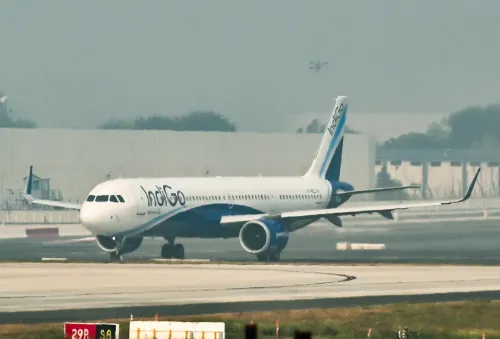
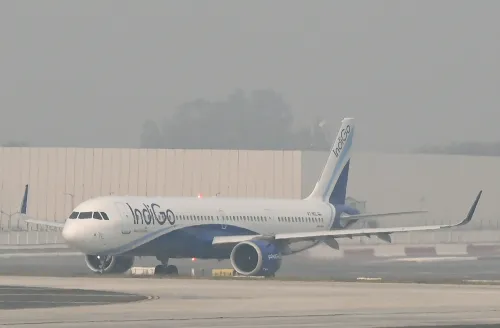
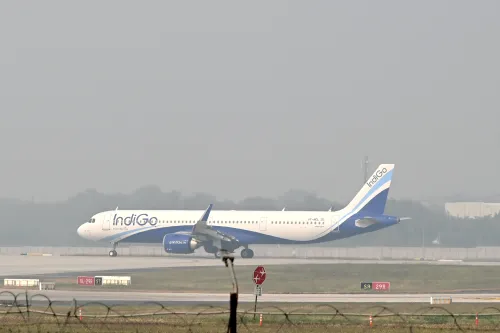
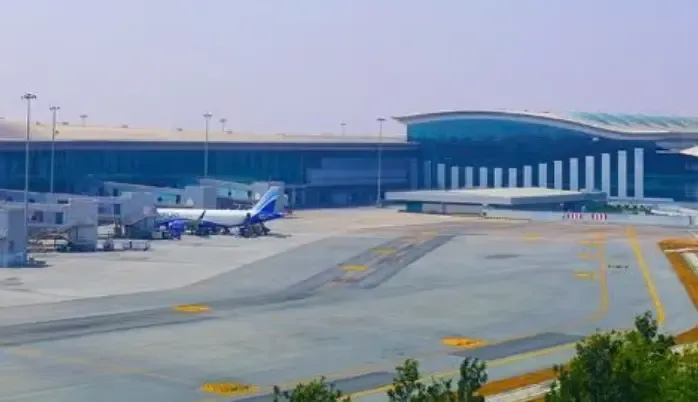
A security scare unfolded at Rajiv Gandhi International Airport (RGIA), Shamshabad, Telangana, in the early hours of Friday, 3 October 2025, after a passenger allegedly touched the emergency exit handle of an IndiGo aircraft preparing to depart for Kadapa, Andhra Pradesh. The contact triggered a security sensor alarm, prompting airline staff to alert authorities and deplane the individual before the flight could take off.
What Happened on Board
According to police, the passenger had been moved from row 9 to row 2 — an emergency exit seating area — during the boarding process. While settling into the new seat, he reportedly touched the emergency exit handle, setting off the onboard sensor alarm. Airline crew immediately notified airport authorities.
The passenger was deboarded and handed over to RGIA Police. He subsequently told investigators that he had touched the handle unintentionally. A case has been registered at the RGIA Police Station, and further investigations are reportedly ongoing.
A Recurring Safety Concern at Indian Airports
This is not an isolated incident. On 6 August, a passenger aboard Batik Air flight OD231 — operating the Kuala Lumpur–Kochi route — allegedly damaged an emergency exit window panel and attempted to tamper with the emergency door while the aircraft was preparing to land at Kochi airport. Police arrested the passenger, identified as Jamsheer Athanikkal. He was booked under Bharatiya Nyaya Sanhita Section 351 (criminal intimidation), Aircraft Act Section 11A (failure to comply with directions), and Kerala Police Act Section 118(e) (acts causing danger to public safety).
The frequency of such incidents underscores a growing concern about passenger behaviour near emergency infrastructure aboard commercial aircraft in India.
Global Context: The FlyDubai Cockpit Attack
The RGIA incident comes just days after a separate and far graver aviation security event: a co-pilot allegedly attacked the captain of a FlyDubai flight in what authorities have described as a suspected hijacking attempt on the Dubai–Tel Aviv route. Captain Smit Machchhar, the Indian pilot who raised the alarm, was injured in the attack but is being widely hailed as a hero for thwarting the attempt.
Passengers reportedly entered the cockpit to overpower the co-pilot. Two off-duty FlyDubai pilots travelling as passengers then helped land the aircraft, which, according to reports, dropped 17,400 feet in under two minutes before being diverted to Tabuk airport in northern Saudi Arabia.
What Happens Next
The RGIA investigation remains active, with police yet to conclude whether the handle contact was accidental or deliberate. Aviation regulators and airline operators are expected to review emergency exit seating protocols in light of this and prior incidents. The pattern of repeated emergency-exit-related events is likely to draw scrutiny from the Directorate General of Civil Aviation (DGCA).
Point of View
But the pattern demands a systemic response. Indian aviation does not appear to have a standardised protocol for briefing passengers who are reassigned to emergency exit rows mid-boarding — the exact scenario that triggered the RGIA alarm. The DGCA has guidelines on emergency exit seating competency, but enforcement at the point of last-minute seat changes is inconsistent. Against the backdrop of the FlyDubai cockpit attack, the timing also raises the question of whether Indian carriers are adequately stress-testing crew response to in-flight security threats, not just accidental handle contact.
NationPress
2 Oct 2026
Frequently Asked Questions
What happened at Hyderabad's RGIA airport on 2 October?
A passenger aboard an IndiGo flight to Kadapa allegedly touched the emergency exit handle after being moved to an emergency exit row during boarding, triggering a security sensor alarm. He was deboarded and handed over to RGIA Police; a case has been registered and investigations are ongoing.
Was the passenger's action intentional?
The passenger told police he touched the handle unintentionally while settling into his newly assigned seat. Investigators have not yet concluded whether the act was accidental or deliberate, and the case remains under investigation.
What legal action has been taken?
A case has been registered at the RGIA Police Station. Authorities have not yet disclosed the specific sections under which charges are being pursued, and further investigation is ongoing.
Has this type of incident happened before in India?
Yes. On 6 August, a passenger aboard Batik Air flight OD231 on the Kuala Lumpur–Kochi route allegedly damaged an emergency exit window panel and attempted to tamper with the door during landing. Passenger Jamsheer Athanikkal was arrested and booked under the Bharatiya Nyaya Sanhita, the Aircraft Act, and the Kerala Police Act.
How does this incident relate to the FlyDubai flight attack?
The Hyderabad incident occurred just days after a co-pilot allegedly attacked Captain Smit Machchhar on a FlyDubai Dubai–Tel Aviv flight in a suspected hijacking attempt. The aircraft dropped 17,400 feet in under two minutes before being diverted to Tabuk, Saudi Arabia. The proximity of the two events has heightened aviation security concerns.