Chirag Paswan Highlights Women-Led Cocoa Enterprise at PMFME Udyamotsav
Synopsis
Union Food Processing Minister Chirag Paswan on July 12 highlighted Ms. Archana's women-led Indian cocoa and chocolate enterprise at the PMFME Udyamotsav, calling it proof that the Rs 10,000-crore PMFME Scheme is converting local produce into formal businesses and advancing PM Modi's Global Food Basket vision.
Key Takeaways
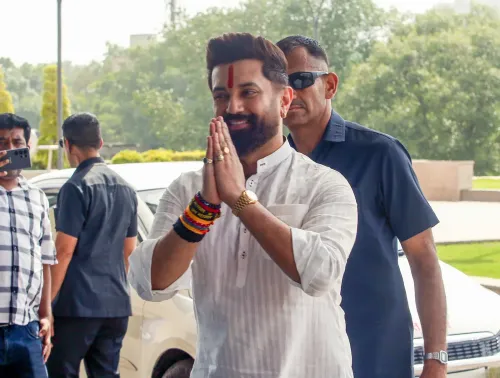
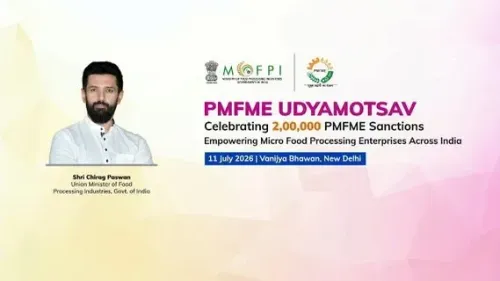
Union Food Processing Minister Chirag Paswan attended the PMFME Udyamotsav on July 12, 2026 and highlighted a women-led enterprise built around Indian cocoa and chocolates .
The PMFME Scheme was launched in 2020 with an outlay of Rs 10,000 crore over five years to formalise two lakh micro food processing enterprises .
The scheme provides credit linkage, training, and branding support to micro enterprises, with a specific focus on women entrepreneurs and local produce.
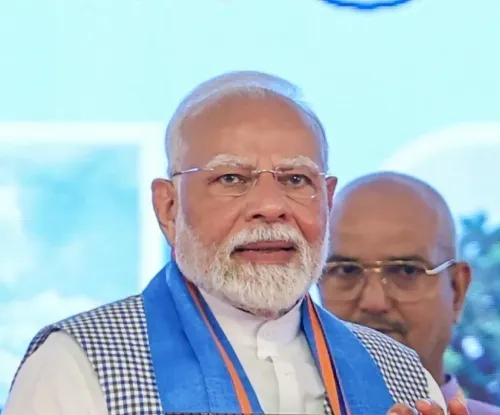
Paswan linked the scheme's outcomes to PM Narendra Modi 's vision of making India the Global Food Basket .
Formalisation of micro units is intended to reduce post-harvest losses, raise value addition, and expand India's share in global processed-food trade .
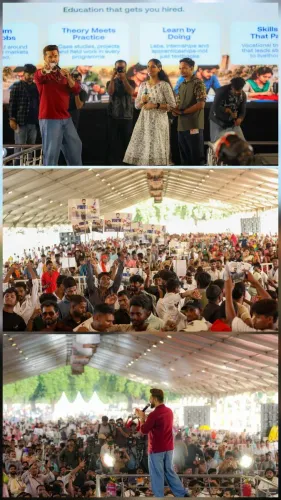
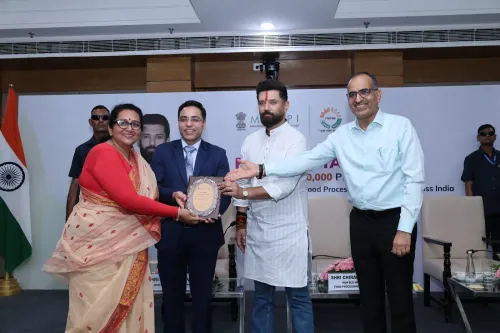
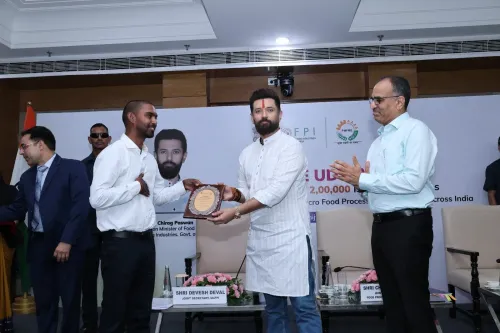
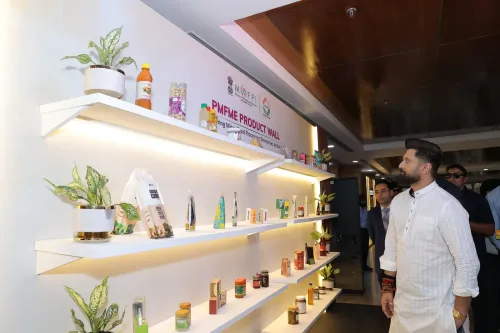
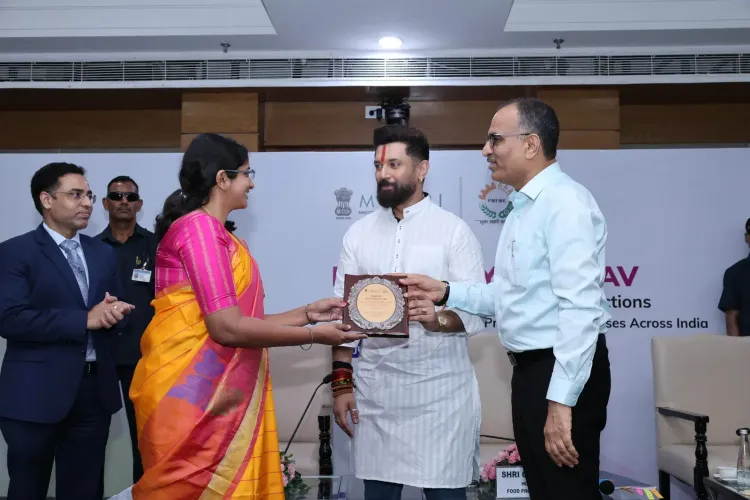
Union Food Processing Minister Chirag Paswan on Sunday, July 12, 2026, spotlighted the journey of a woman entrepreneur who built a food enterprise around Indian cocoa and chocolates, citing her story as an example of what the PM Formalisation of Micro Food Processing Enterprises (PMFME) Scheme is enabling across the country. The minister shared his remarks following his attendance at the PMFME Udyamotsav, a gathering aimed at celebrating and encouraging micro food processing entrepreneurs.
Context
Paswan recounted hearing Ms. Archana's experience at the #PMFMEUdyamotsav event, describing her transition 'from an idea to a women-led food enterprise built around Indian cocoa and chocolates.' He framed her story as emblematic of a broader national trend: 'young women converting local produce into value-added products, building formal enterprises and creating new economic opportunities.' The minister urged aspiring women entrepreneurs to 'take the first step, build with quality, and join the #PMFME revolution.'
Policy Backdrop
The PMFME Scheme was approved in 2020 with an outlay of Rs 10,000 crore over five years as part of the Atmanirbhar Bharat initiative, targeting support for two lakh micro enterprises through credit linkage, training, and branding assistance. The scheme is administered by the Ministry of Food Processing Industries (MOFPI) and is designed to formalise the vast informal micro food processing sector, reducing post-harvest losses and raising value addition at the grassroots level. Emphasis on women-led units and the use of locally sourced commodities such as cocoa reflects the scheme's gender-inclusive design, aligning enterprise creation with agricultural value chains in producing regions.
The minister also invoked Prime Minister Narendra Modi's stated vision of making India the 'Global Food Basket', a goal that successive MOFPI programmes have positioned as the long-term destination for the country's food-processing sector. Formalisation of micro enterprises is seen as a foundational step toward expanding India's share in global processed-food trade while simultaneously building domestic processing capacity.
Stakeholders and Impact
The PMFME Scheme's primary beneficiaries are micro food processors, women entrepreneurs, and rural producers whose raw commodities gain higher market value once processed and branded. By enabling entrepreneurs like Ms. Archana to establish formal enterprises around niche products such as Indian cocoa-based chocolates, the scheme attempts to create upstream demand for farm produce while generating employment at the local level. Women-led units are a particular focus, as gender-inclusive entrepreneurship is seen as both a social objective and an economic multiplier within agricultural value chains.
For the broader food-processing ecosystem, each formalised micro unit represents a node in a supply chain that connects farmers, processors, and consumers — reducing informality, improving food safety standards, and making enterprises eligible for institutional credit and export promotion incentives.
What's Next
Attention will now turn to MOFPI's forthcoming annual reviews, which are expected to carry updated data on credit sanction targets and women-enterprise coverage under the PMFME Scheme. Possible linkages with state-level food processing policies and export promotion frameworks could further expand the scheme's reach. For women entrepreneurs considering entry into the food-processing sector, the ministry's public outreach events such as the Udyamotsav series appear set to continue as a platform for peer learning and scheme awareness — signalling that enterprise formalisation will remain a central plank of India's food-sector policy in the near term.
Point of View
The minister reinforces the ideological continuity between flagship Atmanirbhar Bharat programmes and the ruling coalition's broader economic messaging. The focus on women-led units using locally sourced commodities also signals that MOFPI is keen to demonstrate gender-inclusive outcomes, a metric that carries weight in both domestic policy assessments and international development narratives. Whether the scheme's credit sanction and enterprise formalisation targets are on track will be the real test when MOFPI's annual performance data becomes public.
NationPress
11 Oct 2026
Frequently Asked Questions
What is the PMFME Scheme and who benefits from it?
The PM Formalisation of Micro Food Processing Enterprises (PMFME) Scheme is a centrally sponsored programme launched in 2020 with a Rs 10,000 crore outlay to support two lakh micro food processing units through credit, training, and branding assistance. Primary beneficiaries include micro food processors, women entrepreneurs, and rural producers looking to convert local agricultural produce into value-added products.
What is PMFME Udyamotsav?
PMFME Udyamotsav is an outreach and celebration event organised under the PMFME Scheme where micro food processing entrepreneurs share their experiences and are encouraged to formalise and scale their enterprises. The event serves as a platform for peer learning and scheme awareness.
What did Chirag Paswan say at the PMFME Udyamotsav on July 12, 2026?
Chirag Paswan highlighted the story of Ms. Archana, a woman entrepreneur who built a food enterprise around Indian cocoa and chocolates, calling it an example of young women converting local produce into formal businesses. He urged aspiring women entrepreneurs to take the first step and join the PMFME revolution.
What is India's Global Food Basket vision?
India's Global Food Basket vision, associated with Prime Minister Narendra Modi, aims to position India as a major global supplier of processed food by expanding domestic food-processing capacity, reducing post-harvest losses, and increasing value addition across agricultural supply chains.
How does the PMFME Scheme support women entrepreneurs?
The PMFME Scheme includes a specific focus on women-led micro enterprises by offering credit linkage, skill training, and branding support. Women entrepreneurs using local commodities such as cocoa, millets, or fruits are encouraged to formalise their units and access institutional finance under the scheme.