PMFME scheme crosses 2 lakh credit-linked micro food processing beneficiaries

Synopsis
The PMFME scheme has crossed 2 lakh loan sanctions, unlocking ₹20,300 crore in project investments and 11 lakh jobs — with 44% of beneficiaries being women and 90% first-generation entrepreneurs. A nationwide awareness campaign and 80 Common Incubation Centres signal the scheme's next push toward deeper formalisation of India's micro food economy.
Key Takeaways
The PMFME Scheme has surpassed 2 lakh loan sanctions to micro food processing enterprises, announced on 11 July .
Total project investments leveraged exceed ₹20,300 crore , according to Minister Chirag Paswan .
Nearly 90% of beneficiaries are first-generation entrepreneurs; 44% are women entrepreneurs.
The scheme has generated nearly 11 lakh direct and indirect employment opportunities.
Over 75,000 enterprises have entered the formal economy via Udyam Aadhaar, FSSAI, GST, and related registrations.
A network of 80 Common Incubation Centres across 27 States/UTs has been approved, with 32 now operational.
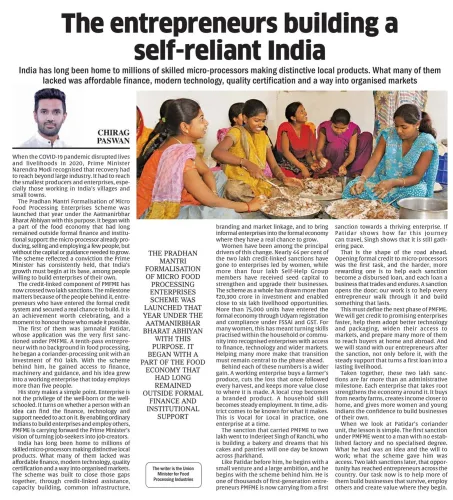
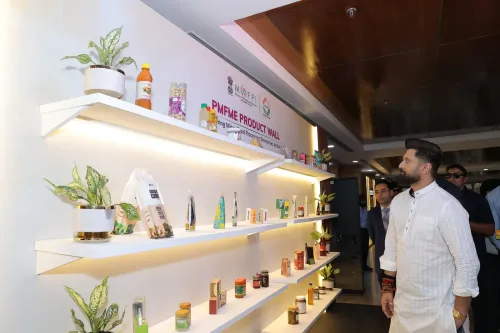
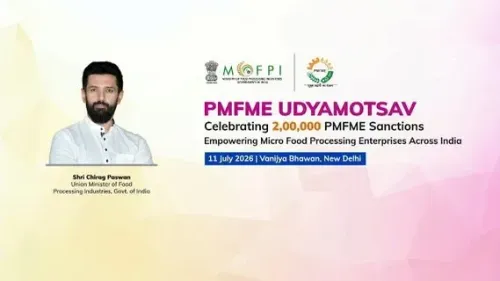
The Pradhan Mantri Formalisation of Micro Food Processing Enterprises (PMFME) Scheme has crossed a significant milestone, surpassing 2 lakh loan sanctions to micro food processing enterprises across India, the government announced on Saturday, 11 July. The scheme has leveraged total project investments of over ₹20,300 crore, according to Chirag Paswan, Minister for Food Processing Industries.
Key Milestone Details
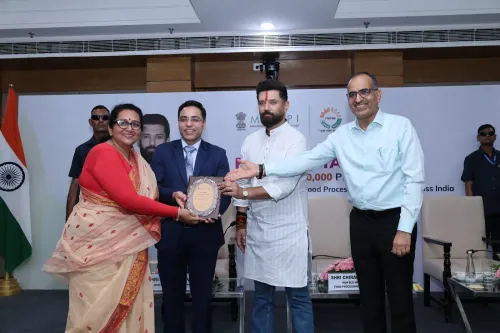
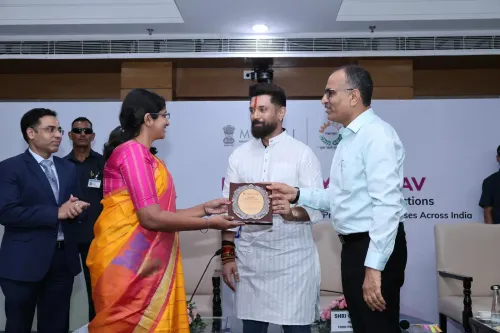
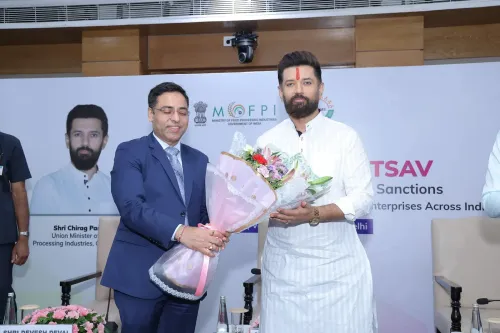
Speaking at a celebration event in New Delhi, Minister Paswan noted that nearly 90 per cent of the scheme's beneficiaries are first-generation entrepreneurs, while 44 per cent are women entrepreneurs. Over 75,000 PMFME-supported enterprises have entered the formal economy through registrations including Udyam Aadhaar, Udyam Assist, FSSAI, and GST. The scheme has also generated nearly 11 lakh direct and indirect employment opportunities.
What the Minister Said
Paswan described the two-lakh-beneficiary achievement as proof that 'this vision is translating into measurable outcomes across the country.' He called the near-44 per cent share of women entrepreneurs 'the true spirit of women-led development, a cornerstone of Viksit Bharat.' The minister also highlighted the scheme's Seed Capital support, under which more than 4.18 lakh Self Help Group (SHG) members have been assisted.
Training and Incubation Infrastructure
More than 1.76 lakh beneficiaries have been trained under the scheme, of whom 77 per cent are women. The Ministry has approved a network of 80 Common Incubation Centres across 27 States and Union Territories, of which 32 have been commissioned and are operational.
ODOP Approach and Awareness Campaign
Devesh Deval, Joint Secretary at the Ministry of Food Processing Industries (MoFPI), announced the launch of a nationwide multimedia awareness campaign at the event. Deval noted that 'PMFME is not merely supporting enterprises; it is transforming livelihoods, strengthening local value chains and creating sustainable employment opportunities across the country.' Officials also highlighted the scheme's One District One Product (ODOP) approach, which supports 40 common brands covering nearly 200 products — including Makhana, millets, spices, and GI-tagged products — to build local value chains nationwide.
What Comes Next
With the nationwide multimedia awareness campaign now launched and 32 of the 80 approved Common Incubation Centres already operational, the scheme's next phase is expected to deepen market linkages and expand the formalisation of micro enterprises beyond the current base. The emphasis on women-led enterprises and SHG integration signals a continued push toward inclusive, grassroots-level economic formalisation.
Point of View
But the more telling number is the 75,000 enterprises that have actually entered the formal economy — a fraction of the 2 lakh sanctioned. Formalisation, not just loan disbursement, is the harder and more consequential metric. With 90% of beneficiaries being first-generation entrepreneurs and 44% women, the scheme's social architecture is sound; the question is whether the 80 Common Incubation Centres — only 32 of which are operational — can deliver the market linkages that convert credit access into sustainable business growth. India's micro food processing sector remains largely informal; crossing 2 lakh sanctions is a headline, but the structural shift will be measured in how many of these enterprises survive past their first credit cycle.
NationPress
10 Oct 2026
Frequently Asked Questions
What is the PMFME scheme and what has it achieved?
The Pradhan Mantri Formalisation of Micro Food Processing Enterprises (PMFME) Scheme is a Central government initiative to formalise and financially support micro food processing businesses. It has now crossed 2 lakh loan sanctions, leveraging over ₹20,300 crore in project investments and generating nearly 11 lakh employment opportunities.
Who are the primary beneficiaries of the PMFME scheme?
Nearly 90% of PMFME beneficiaries are first-generation entrepreneurs, and 44% are women entrepreneurs. More than 1.76 lakh beneficiaries have received training under the scheme, of whom 77% are women.
How many micro enterprises have been formalised under PMFME?
Over 75,000 PMFME-supported enterprises have entered the formal economy through registrations such as Udyam Aadhaar, Udyam Assist, FSSAI, and GST, as of the milestone announcement on 11 July.
What is the ODOP approach under the PMFME scheme?
The One District One Product (ODOP) approach under PMFME supports 40 common brands covering nearly 200 products, including Makhana, millets, spices, and GI-tagged items, to build local value chains around region-specific produce across India.
What is the role of Common Incubation Centres in the PMFME scheme?
The Ministry of Food Processing Industries has approved 80 Common Incubation Centres across 27 States and Union Territories to provide infrastructure and technical support to micro food processing enterprises. Of these, 32 centres have been commissioned and are currently operational.