Godavari River pollution: Pawan Kalyan orders continuous PCB inspections
Synopsis
Over 104 million litres of untreated sewage pour into the Godavari every single day — and Andhra Pradesh's own municipalities are the biggest culprits. Deputy CM Pawan Kalyan's emergency directives and 'Swachh Godavari' plan now face a hard deadline: clean up 262 panchayats before the Pushkarams festivities begin.
Key Takeaways
Andhra Pradesh Deputy CM Pawan Kalyan directed the Pollution Control Board on 29 May to conduct continuous inspections along the Godavari River .
Approximately 104 million litres of sewage per day from municipalities across six districts is contaminating the river.
Andhra Paper Mills alone discharges up to 32 million litres of industrial waste daily into the Godavari.
Aquaculture operations in Konaseema and West Godavari contribute an additional 13.24 million litres of wastewater daily .
An action plan, 'Swachh Godavari – Pavitra Pushkaralu' , targets converting 262 panchayats into sewage-free zones ahead of the Pushkarams.
An RTGS-style real-time control room and Sewage Treatment Plants in every municipality have been ordered.
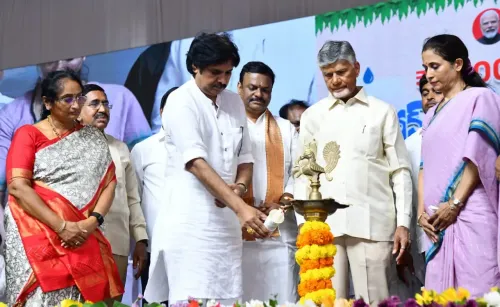
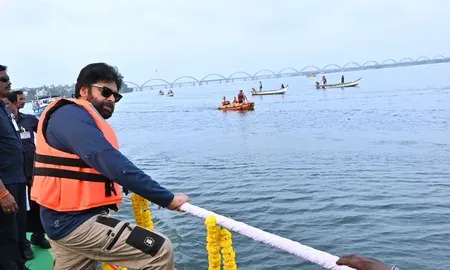
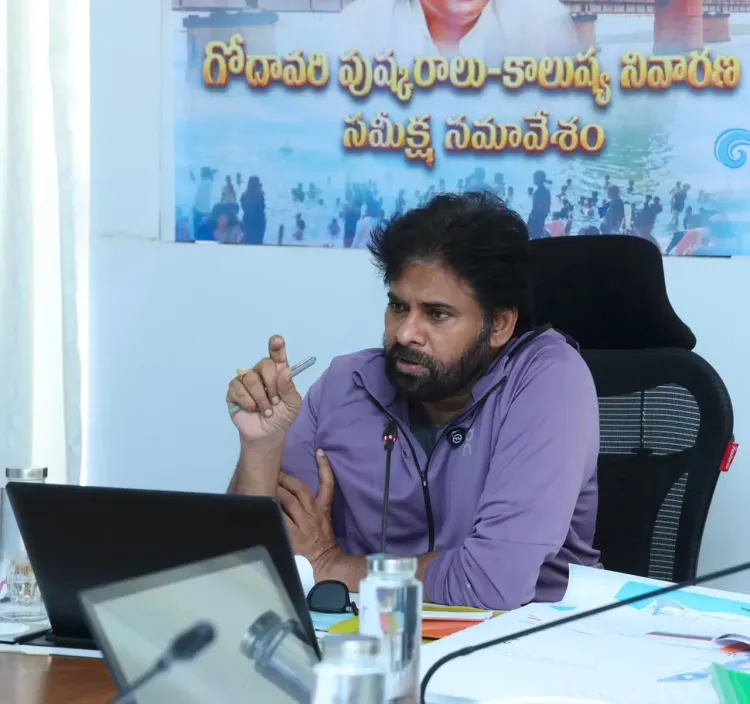
Andhra Pradesh Deputy Chief Minister Pawan Kalyan on Friday, 29 May directed the Pollution Control Board (PCB) to conduct continuous inspections along the Godavari River, as contamination from municipalities, industrial zones, rural areas, and aquaculture operations reached what officials described as a critical and alarming stage. Kalyan, who also holds the environment portfolio, issued immediate directives to curb the unchecked discharge of sewage, industrial effluents, and aquaculture waste into the river.
Scale of the Pollution Problem
According to PCB officials, approximately 104 million litres of sewage per day from municipalities across six districts is currently flowing into the Godavari. Of this, Andhra Paper Mills alone discharges up to 32 million litres of waste daily. An additional 8.38 million litres of sewage from rural areas, along with substantial quantities of industrial waste, enters the river every day.
Aquaculture operations in Konaseema and West Godavari districts contribute a further 13.24 million litres of wastewater daily, compounding the contamination load on the river system.
Urban Discharge: The Biggest Offenders
The Rajamahendravaram Municipal Corporation generates 75 million litres of sewage daily, of which 50 million litres are discharged directly into the Godavari without any prior treatment. Other municipalities adding to the burden include Tanuku (11.1 million litres per day), Bhimavaram (14 million litres), Narasapuram (8.5 million litres), and Kovvur (6 million litres), released through drainage channels including the Yanamadurru and Gostani drains.
Notably, all of this sewage enters the river untreated — a systemic failure that officials acknowledged has been building over time.
Swachh Godavari Action Plan and Key Directives
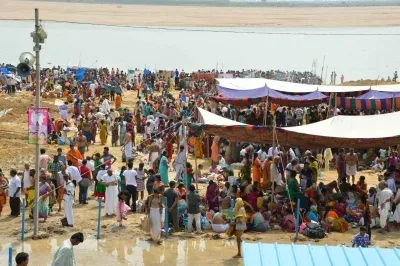
Pawan Kalyan announced an action plan titled 'Swachh Godavari – Pavitra Pushkaralu' (Clean Godavari – Sacred Pushkarams) to ensure pollution-free conditions ahead of the Godavari Pushkarams festivities. Under this plan, 262 panchayats identified across six districts within the Godavari river basin are to be converted into sewage-discharge-free zones before the Pushkarams.
He directed that Sewage Treatment Plants (STPs) be constructed within the jurisdiction of every municipality, with capacity calibrated to match the volume of sewage generated locally. Kalyan also proposed setting up an RTGS-style control room for real-time monitoring of sewage management in villages and towns, as well as industrial pollution surveillance.
Institutional Oversight and Funding
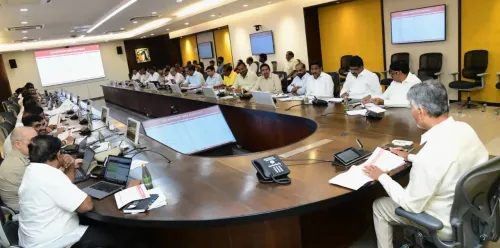
Oversight of the monitoring system will be entrusted to a high-level task force constituted for pollution prevention in major rivers. The directives emerged from a coordination meeting involving officials from the Deputy Chief Minister's office, Principal Secretaries of the Panchayat Raj and Rural Development and Forest and Environment departments, and Secretaries of the Pollution Control Board.
Kalyan stated that funds from the VBJ Ramji scheme, Swachhandhra, and the Pollution Control Board may be utilised as needed to implement the sewage mitigation measures. The administration is now racing against the Pushkarams deadline to bring the 262 Pushkara Panchayats into compliance.
Point of View
With the Rajamahendravaram Municipal Corporation alone responsible for 50 million litres of untreated flow. This is not a new crisis — it is a decades-old infrastructure deficit that has been allowed to fester. The 'Swachh Godavari' plan is politically timed to the Pushkarams, raising a legitimate question about whether the urgency is ritual-driven rather than environment-driven. Ordering STPs across every municipality is the right call, but without firm construction timelines, penalty enforcement against defaulting urban bodies, and independent third-party monitoring, this risks becoming another announcement that outlives its own deadline.
NationPress
14 Oct 2026
Frequently Asked Questions
Why is the Godavari River facing a pollution crisis in 2025?
The Godavari River is receiving approximately 104 million litres of untreated municipal sewage daily from six districts, along with industrial effluents and aquaculture wastewater, because most municipalities lack functional Sewage Treatment Plants. The Rajamahendravaram Municipal Corporation alone discharges 50 million litres of raw sewage into the river every day.
What action has Pawan Kalyan taken to address Godavari River pollution?
Deputy Chief Minister Pawan Kalyan directed the Pollution Control Board on 29 May to conduct continuous inspections and launched the 'Swachh Godavari – Pavitra Pushkaralu' action plan. He also ordered the construction of Sewage Treatment Plants in every municipality and proposed an RTGS-style real-time control room for pollution surveillance.
What is the 'Swachh Godavari – Pavitra Pushkaralu' plan?
It is an action plan announced by Pawan Kalyan to ensure pollution-free conditions along the Godavari ahead of the Pushkarams festivities. The plan aims to convert 262 identified panchayats across six districts in the Godavari river basin into sewage-discharge-free zones before the event.
Which municipalities are discharging the most sewage into the Godavari?
The Rajamahendravaram Municipal Corporation is the largest single contributor, discharging 50 million litres of untreated sewage daily. Other major contributors include Bhimavaram (14 million litres), Tanuku (11.1 million litres), Narasapuram (8.5 million litres), and Kovvur (6 million litres).
What role does industry play in Godavari River pollution?
Industrial discharge is a significant component of the pollution load, with Andhra Paper Mills alone contributing up to 32 million litres of waste daily. Aquaculture operations in Konaseema and West Godavari districts add a further 13.24 million litres of wastewater to the river every day.