Pawan Kalyan, Fadnavis discuss tiger translocation for Eastern Ghats revival
Synopsis
Two female tigers from Maharashtra are set to be translocated to Andhra Pradesh's Eastern Ghats — a rare inter-state wildlife transfer aimed at reversing genetic decline in a population under stress. The deal, brokered by Deputy CM Pawan Kalyan and CM Devendra Fadnavis, signals a science-driven shift in how India's states are approaching big-cat recovery beyond established tiger reserves.
Key Takeaways
Andhra Pradesh Deputy CM Pawan Kalyan met Maharashtra CM Devendra Fadnavis in Mumbai on 30 June to discuss tiger conservation in the Eastern Ghats .
Maharashtra has agreed to provide two female tigers to Andhra Pradesh to address genetic decline caused by inbreeding.
The translocation aims to restore genetic diversity and build a self-sustaining tiger population in the Eastern Ghats.
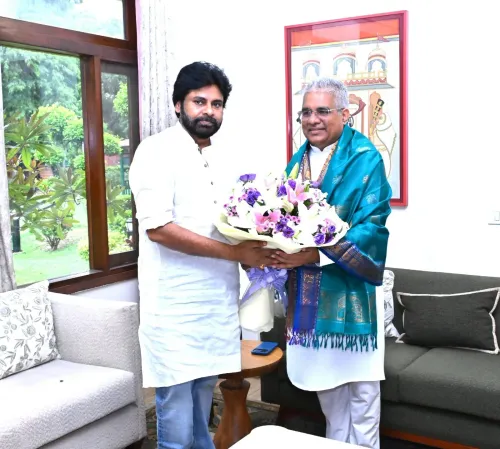
Union Minister Bhupender Yadav has been credited with providing guidance on the initiative.
Coordination with the National Tiger Conservation Authority (NTCA) and partner organisations is expected to follow.
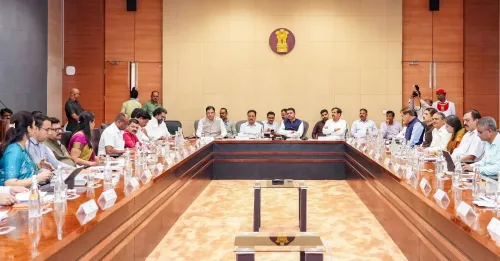
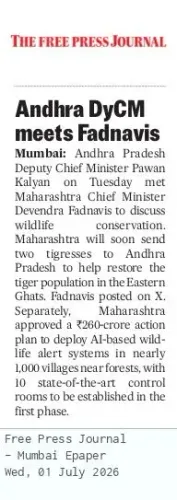
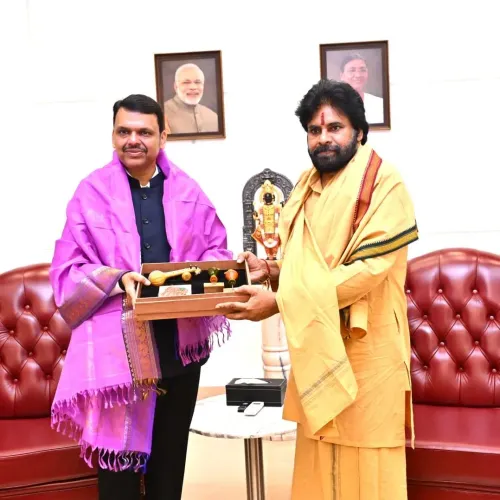
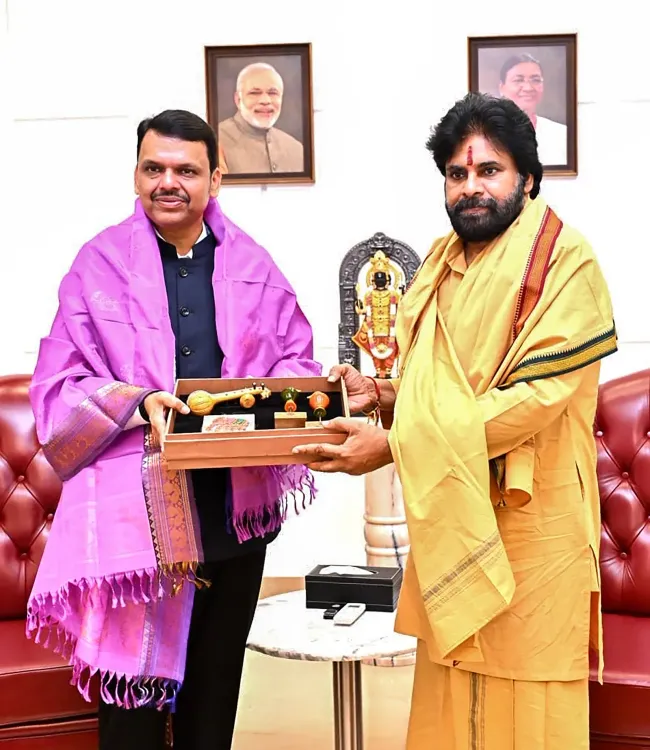
Andhra Pradesh Deputy Chief Minister Pawan Kalyan met Maharashtra Chief Minister Devendra Fadnavis in Mumbai on Tuesday, 30 June to discuss tiger conservation measures in the Eastern Ghats. The meeting, held at Fadnavis's official residence, centred on Maharashtra's agreement to provide two female tigers to Andhra Pradesh to address a critical decline in the female tiger population in the region.
Why the Translocation Matters
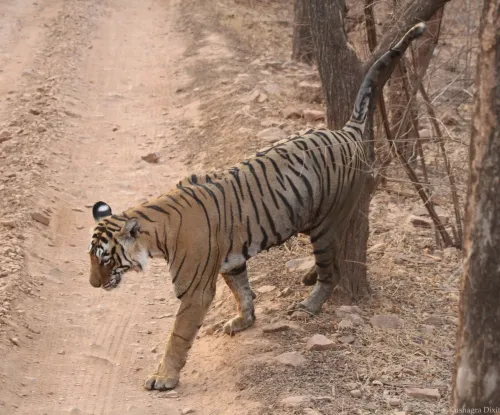
According to Pawan Kalyan's office, a significant drop in the female tiger population within the Eastern Ghats region of Andhra Pradesh has led to acute genetic challenges, including inbreeding. The translocation of two female tigers from Maharashtra is intended to restore genetic diversity and strengthen the long-term viability of the tiger population in the region.
'The introduction of female tigers will help overcome the challenges of inbreeding, enhance genetic diversity, strengthen the long-term viability of the population, and contribute to a healthy, self-sustaining tiger landscape. This collaborative conservation effort reflects our shared commitment to protecting biodiversity through science-based and sustainable wildlife management,' Pawan Kalyan said.
What Both Governments Have Agreed To
Pawan Kalyan, who also holds the portfolio of Minister for Forests and Environment in Andhra Pradesh, thanked Fadnavis for Maharashtra's support in facilitating the translocation. He described the gesture as 'an important milestone' in efforts to restore a thriving tiger population in the Eastern Ghats. The two leaders are reported to have had productive discussions on the framework for the inter-state wildlife transfer.
This comes amid broader national efforts to expand tiger habitats beyond the established reserves in central and southern India. The Eastern Ghats, which spans parts of Andhra Pradesh, Odisha, and Tamil Nadu, has historically supported tiger corridors but has seen population pressures over recent decades.
Union Government's Role
Pawan Kalyan also acknowledged Union Minister for Environment, Forest and Climate Change Bhupender Yadav for his guidance in advancing the initiative. 'We will continue to move ahead with greater coordination alongside the Maharashtra government, the Central government, and other partner organisations to achieve our goals of wildlife and biodiversity conservation,' he said.
What Comes Next
The Jana Sena leader expressed confidence that the Andhra Pradesh–Maharashtra partnership will contribute significantly to long-term tiger conservation in the Eastern Ghats. The actual translocation process will involve coordination with wildlife authorities from both states as well as the National Tiger Conservation Authority (NTCA). All eyes are now on the timeline for the physical transfer and the monitoring framework that will follow.
Point of View
Yet it has received far less institutional attention than central Indian landscapes. What is notable here is the explicit acknowledgement of genetic stress, which suggests Andhra Pradesh's wildlife managers are working from population viability analysis rather than headline headcounts. The real test will be the post-translocation monitoring framework: without rigorous tracking and habitat management, translocated animals face high mortality risk, as past experiments in India have shown.
NationPress
29 Sept 2026
Frequently Asked Questions
Why is Andhra Pradesh seeking female tigers from Maharashtra?
A significant decline in the female tiger population in the Eastern Ghats region of Andhra Pradesh has led to inbreeding and genetic stress. Maharashtra has agreed to provide two female tigers to help restore genetic diversity and build a healthier, self-sustaining tiger population in the area.
What did Pawan Kalyan and Devendra Fadnavis discuss at their meeting?
The two leaders met on 30 June in Mumbai and held discussions on tiger conservation in the Eastern Ghats, specifically focusing on Maharashtra's support for the translocation of two female tigers to Andhra Pradesh. Pawan Kalyan thanked Fadnavis for the inter-state cooperation.
What is the significance of tiger conservation in the Eastern Ghats?
The Eastern Ghats spans parts of Andhra Pradesh, Odisha, and Tamil Nadu and has historically supported tiger corridors. Restoring a viable tiger population here would strengthen India's broader big-cat conservation landscape beyond the more prominent central Indian reserves.
Who else is involved in facilitating this tiger translocation?
Union Minister for Environment, Forest and Climate Change Bhupender Yadav has been acknowledged for his guidance. The National Tiger Conservation Authority (NTCA) and other partner organisations are also expected to be involved in coordinating the physical transfer and subsequent monitoring.
When will the tiger translocation from Maharashtra to Andhra Pradesh take place?
No specific date for the translocation has been announced as of 30 June. The next steps involve formal coordination between wildlife authorities of both states and the NTCA to finalise the transfer timeline and monitoring protocol.