CM Fadnavis backs tiger translocation to Andhra Pradesh
Synopsis
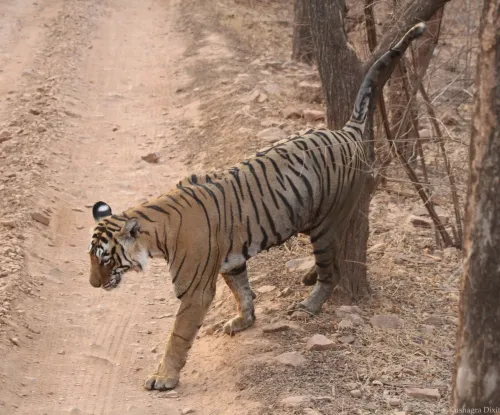
Maharashtra CM Devendra Fadnavis has announced the translocation of two tigresses from Maharashtra to Andhra Pradesh's Eastern Ghats, following a meeting with Deputy CM Pawan Kalyan in Mumbai. The move targets genetic inbreeding in the region's depleted tiger population and deepens interstate conservation cooperation.
Key Takeaways
Two tigresses from Maharashtra will be translocated to Andhra Pradesh to address genetic inbreeding in the Eastern Ghats tiger population.
Andhra Pradesh Deputy CM Pawan Kalyan visited Mumbai on 30 June 2026 to finalise the landmark wildlife conservation agreement with CM Devendra Fadnavis .
The translocation aims to introduce genetic diversity and establish a 'healthy, self-sustaining tiger landscape' in the Eastern Ghats .
Maharashtra hosts several high-density tiger reserves, making it a scientifically appropriate source for the translocation.
The initiative falls under the framework of Project Tiger and will require formal clearance from the National Tiger Conservation Authority (NTCA) .
Both states have committed to broader cooperation across sectors, including environmental preservation .
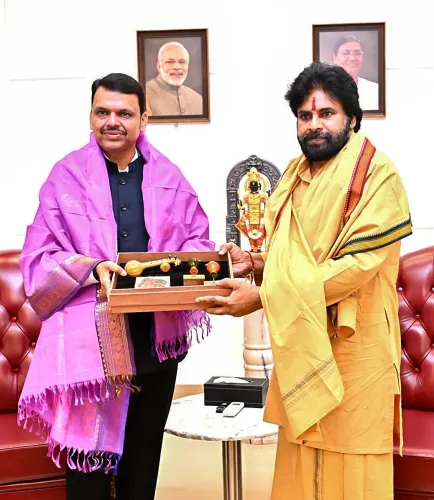
Maharashtra Chief Minister Devendra Fadnavis on Tuesday, 30 June 2026, announced that two tigresses from Maharashtra will be translocated to Andhra Pradesh as part of a landmark wildlife conservation initiative, after hosting Andhra Pradesh Deputy Chief Minister Pawan Kalyan in Mumbai. The move aims to restore the tiger population in the Eastern Ghats by addressing inbreeding and boosting genetic diversity.
Context
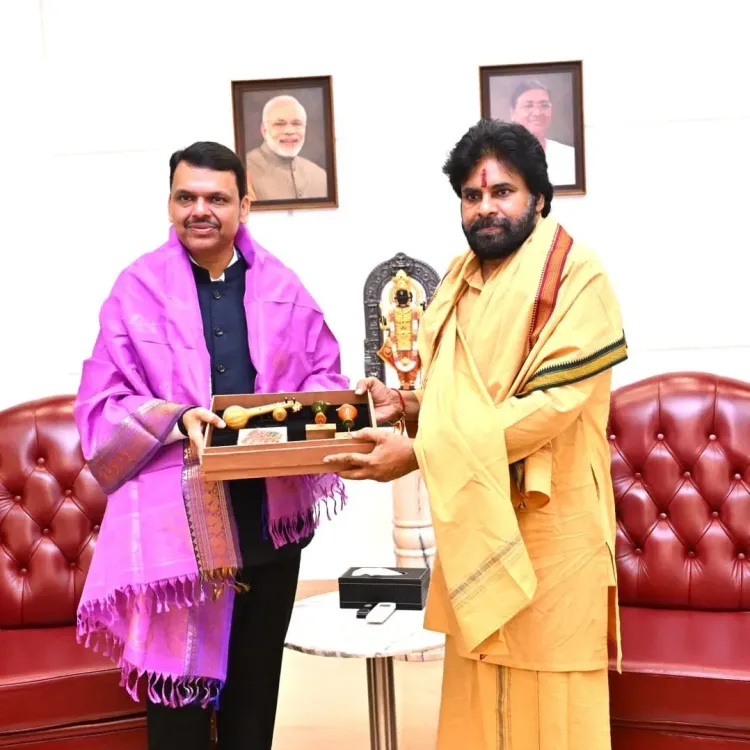
CM Fadnavis took to social media to confirm the bilateral wildlife agreement, writing that the translocation of the two tigresses will 'actively address the challenges of inbreeding, bring much-needed genetic diversity, and lay the foundation for a healthy, self-sustaining tiger landscape' in Andhra Pradesh. The post was accompanied by photographs from the meeting, signalling a formal, high-level endorsement of the initiative by both states.
Deputy CM Pawan Kalyan, who also holds charge of environment and forest portfolios in Andhra Pradesh, travelled to Mumbai for the discussions, underlining the significance both governments attach to the conservation effort. The translocation is described by Fadnavis as 'an important ecological mission.'
Policy Backdrop
Tiger translocation between states is governed by the National Tiger Conservation Authority (NTCA) under Project Tiger, which requires rigorous scientific assessment of source and recipient habitats, prey availability, and corridor connectivity before any movement is approved. The Eastern Ghats, spanning parts of Andhra Pradesh, Odisha, and Telangana, have historically supported tiger populations but have seen steep declines due to habitat fragmentation and poaching pressure.
Maharashtra is home to some of India's most productive tiger reserves, including Tadoba-Andhari Tiger Reserve and Melghat Tiger Reserve, which maintain robust and genetically diverse populations. Sourcing tigresses from these reserves for translocation is consistent with established conservation science, which prioritises female dispersal to seed new populations in depleted landscapes.
Genetic inbreeding is a well-documented threat to small, isolated tiger populations, leading to reduced fertility, weakened immune systems, and lower survival rates among cubs. Introducing unrelated individuals from a genetically distinct source population is considered one of the most effective interventions available to wildlife managers.
Stakeholders and Impact
The initiative directly benefits Andhra Pradesh's forest department and the communities living around the proposed recipient habitat in the Eastern Ghats. A self-sustaining tiger population would elevate the region's ecological status, potentially enabling it to be notified as a tiger reserve, which brings additional central funding and conservation infrastructure.
For Maharashtra, the translocation reinforces the state's standing as a net contributor to India's national tiger recovery programme. CM Fadnavis framed the gesture within a broader commitment to interstate cooperation, stating that Maharashtra 'remains fully committed to working hand-in-hand with Andhra Pradesh across all sectors, including environmental preservation.'
Wildlife conservationists and forest officials in both states will now work alongside the NTCA to finalise the translocation protocol, including the selection of individual animals, veterinary clearances, and the identification of a suitable release site with adequate prey density and territorial space.
What's Next
The formal translocation process will require NTCA approval and a detailed site-suitability report for the recipient area in the Eastern Ghats. Timelines for the actual physical movement of the two tigresses have not yet been disclosed publicly. Both state governments are expected to constitute a joint task force to oversee the operation and monitor the animals post-release.
If successful, the Maharashtra–Andhra Pradesh tiger translocation could serve as a model for similar interstate conservation partnerships across India's fragmented tiger landscapes, reinforcing the national goal of expanding the tiger range beyond existing reserve boundaries.
Point of View
Science-driven conservation mandate rather than a symbolic gesture. By personally hosting Pawan Kalyan and publicly endorsing the mission, CM Fadnavis positions Maharashtra as a conservation leader within the federal framework of Project Tiger. The move also carries political optics value: it projects cooperative federalism between two NDA-aligned state governments at a time when centre-state environmental policy is under scrutiny. If the translocation succeeds, it could accelerate the case for a new tiger reserve in the Eastern Ghats, reshaping conservation funding flows to Andhra Pradesh.
NationPress
29 Sept 2026
Frequently Asked Questions
Which tigers are being translocated from Maharashtra to Andhra Pradesh?
Two tigresses from Maharashtra are being translocated to Andhra Pradesh's Eastern Ghats. The specific reserves they will be sourced from and their individual identities have not yet been publicly disclosed.
Why is tiger translocation needed in the Eastern Ghats?
The Eastern Ghats have a small, isolated tiger population vulnerable to genetic inbreeding, which reduces fertility and survival rates. Introducing tigresses from a genetically distinct population like Maharashtra's helps restore diversity and build a self-sustaining population.
Who approved the Maharashtra-Andhra Pradesh tiger translocation?
The agreement was announced following a meeting between Maharashtra CM Devendra Fadnavis and Andhra Pradesh Deputy CM Pawan Kalyan on 30 June 2026. Formal approval from the National Tiger Conservation Authority (NTCA) is still required before the physical translocation can proceed.
What is Pawan Kalyan's role in Andhra Pradesh's wildlife conservation?
Pawan Kalyan serves as Deputy Chief Minister of Andhra Pradesh and holds charge of environment and forest portfolios, making him the key political figure responsible for wildlife conservation decisions in the state.
How does tiger translocation work in India?
Tiger translocation in India is governed by the National Tiger Conservation Authority (NTCA) under Project Tiger. It requires scientific assessment of source and recipient habitats, prey availability, corridor connectivity, veterinary clearances, and a post-release monitoring plan before animals are moved.