CM Fadnavis leads International Tiger Day 2026 event in Nagpur
Synopsis
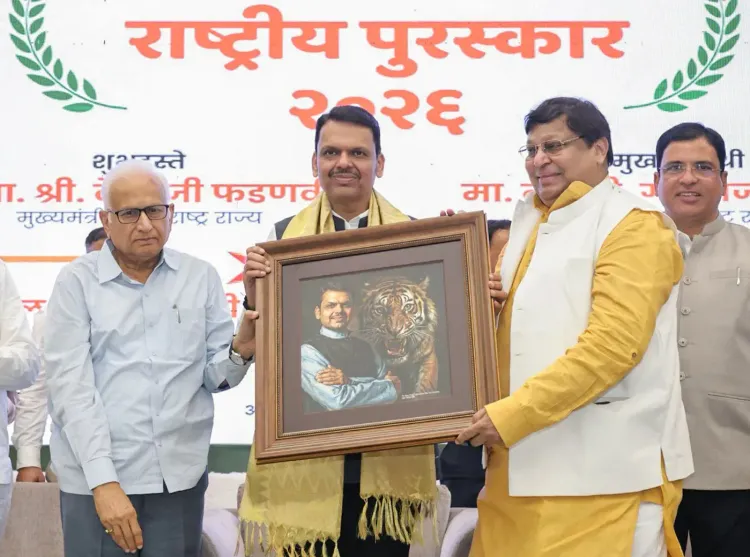
Chief Minister Devendra Fadnavis headlined Maharashtra's International Tiger Day 2026 programme in Nagpur on 29 July, joined by state ministers and delegates from Bhutan, Cambodia, and Bangladesh, underscoring India's multilateral approach to tiger conservation.
Key Takeaways
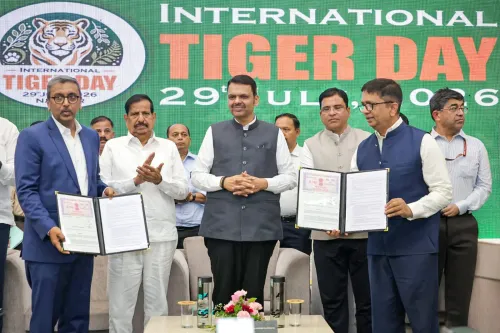
Chief Minister Devendra Fadnavis was the chief presence at the International Tiger Day 2026 event held in Nagpur on 29 July 2026 .
The event was attended by Minister Ganesh Naik , MoS Dr.
Pankaj Bhoyar , MoS Adv.
Ashish Jaiswal , and MLA Sumit Wankhede .
Representatives from Bhutan , Cambodia , and Bangladesh — all tiger range or conservation-partner nations — were present.
Nagpur is adjacent to Tadoba-Andhari Tiger Reserve , one of India's premier big-cat habitats.
International Tiger Day was established after the Global Tiger Summit of 2010 , where countries pledged to double tiger numbers by 2022 .
India's Project Tiger , launched in 1973 , remains the national framework underpinning conservation efforts.
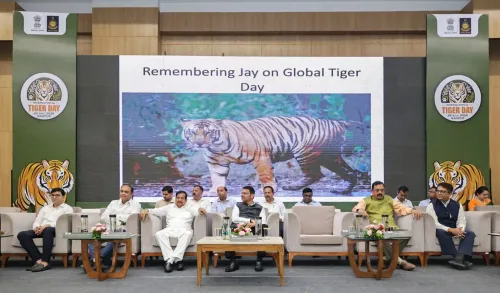
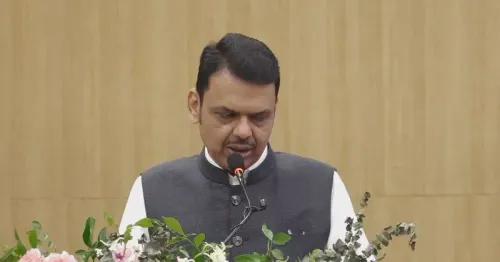
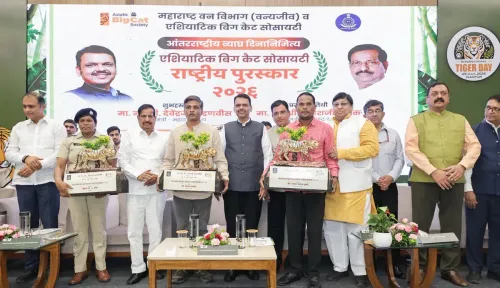
On the global stage of wildlife conservation, Nagpur stood at the centre on 29 July 2026 — and Maharashtra's own Chief Minister made sure the state's voice carried weight. Chief Minister Devendra Fadnavis was the chief presence at a programme organised to mark International Tiger Day 2026, with the event drawing representatives from tiger range nations including Bhutan, Cambodia, and Bangladesh.
The Chief Minister's Office of Maharashtra confirmed the event, held at 1:15 PM in Nagpur, was attended by Minister Ganesh Naik, Minister of State Dr. Pankaj Bhoyar, Minister of State Adv. Ashish Jaiswal, and MLA Sumit Wankhede, alongside the foreign delegations and other dignitaries.
Nagpur as the natural seat of tiger diplomacy
The choice of Nagpur is anything but incidental. The city sits at the gateway to Tadoba-Andhari Tiger Reserve, one of India's most celebrated big-cat habitats and a cornerstone of Maharashtra's conservation identity. Hosting international representatives here sends a pointed message: the conversation about tigers belongs in the forests, not just in conference halls.
International Tiger Day, observed every 29 July, was established following the Global Tiger Summit of 2010 — a landmark moment when thirteen tiger range countries, including India, committed to doubling wild tiger populations by 2022. India's Project Tiger, launched as far back as 1973, remains the backbone of that ambition nationally.
Range countries at the table — what cross-border presence signals
The attendance of delegates from Bhutan, Bangladesh, and Cambodia elevates this beyond a ceremonial state function. Bhutan and Bangladesh share transboundary tiger habitats with India's northeast, making corridor connectivity a live policy question. Cambodia, though geographically distant, represents Southeast Asia's fragile tiger recovery efforts — its presence signals that the Nagpur event was pitched as a regional conservation dialogue, not merely a domestic observance.
Such gatherings typically surface discussions on cross-border habitat corridors, anti-poaching intelligence sharing, and funding frameworks for community-based conservation. Maharashtra's network of tiger reserves — from Tadoba to Melghat — gives the state credible standing in those conversations.
As India watches for the next national tiger census and any new reserve notifications, events like this one in Nagpur remind policymakers and conservationists alike: the tiger's survival is a multilateral project, and Maharashtra is choosing to be at its centre.
Point of View
Bangladesh, and Cambodia suggests the programme was designed to advance corridor and anti-poaching cooperation, aligning with the Centre's broader push to sustain India's tiger recovery story internationally. For Fadnavis, conservation optics in the Vidarbha region also carry domestic political weight, given the area's deep ecological and agrarian identity.
NationPress
28 Oct 2026
Frequently Asked Questions
What is International Tiger Day and when is it observed?
International Tiger Day is observed every 29 July to raise awareness about tiger conservation globally. It was established at the Global Tiger Summit in 2010 , where tiger range countries pledged to double wild tiger populations by 2022.
Why was the International Tiger Day 2026 event held in Nagpur?
Nagpur was the host city because it is adjacent to Tadoba-Andhari Tiger Reserve , one of India's most significant tiger habitats, making it a fitting venue for a conservation-focused programme.
Which countries sent representatives to Maharashtra's Tiger Day 2026 event?
Delegates from Bhutan , Cambodia , and Bangladesh attended the event in Nagpur alongside Maharashtra's state ministers and other dignitaries.
What is Project Tiger and how does it relate to International Tiger Day?
Project Tiger was launched by India in 1973 to protect tigers and their habitats. It is the national framework that underpins India's commitments made on platforms like International Tiger Day.
Who attended the International Tiger Day 2026 programme with CM Fadnavis?
The programme was attended by Minister Ganesh Naik , MoS Dr. Pankaj Bhoyar , MoS Adv. Ashish Jaiswal , MLA Sumit Wankhede , and representatives from Bhutan, Cambodia, and Bangladesh.