Assam CM Office: PDNA Works Underway in Golaghat WR Division
Synopsis
The Chief Minister's Office of Assam announced on 31 October 2026 that Post Disaster Needs Assessment rehabilitation works in the Golaghat Water Resources Division are progressing steadily, underscoring the state's push to rebuild flood-hit infrastructure and strengthen long-term resilience in one of India's most flood-prone districts.
Key Takeaways
The Chief Minister's Office of Assam confirmed on 31 October 2026 that PDNA restoration works in Golaghat WR Division are progressing steadily.
The Post Disaster Needs Assessment (PDNA) is a globally recognised framework for mapping post-disaster damage and planning structured recovery.
Golaghat district in eastern Assam is chronically vulnerable to Brahmaputra River flooding and embankment erosion.
The Water Resources Department and its divisional offices are the primary agencies executing embankment and infrastructure rehabilitation on the ground.
Completion timelines and potential integration with central disaster management funding remain key factors to watch.
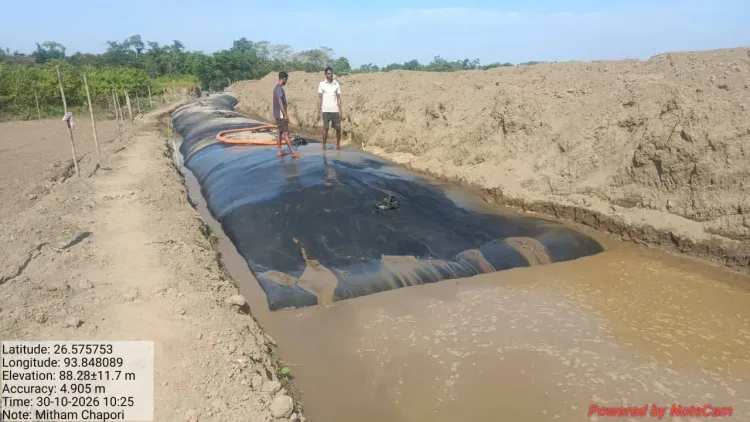
Brick by brick, embankment by embankment — Assam's Golaghat Water Resources Division is steadily rebuilding what repeated monsoon floods have torn down. The Chief Minister's Office of Assam confirmed on Saturday, 31 October 2026 that restoration and rehabilitation works under the Post Disaster Needs Assessment (PDNA) framework in the Golaghat WR Division are progressing on track.
What the PDNA framework means for Golaghat
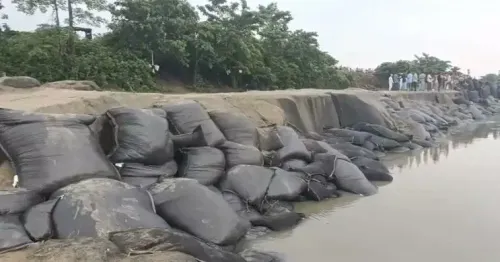
The Post Disaster Needs Assessment is a globally recognised evaluation methodology used to map damage, estimate recovery costs, and prioritise reconstruction after disaster events. For a district like Golaghat — situated in eastern Assam along the Brahmaputra basin and chronically vulnerable to flooding and riverbank erosion — such assessments translate directly into embankment repairs, drainage restoration, and irrigation infrastructure upgrades carried out by the Water Resources Department.
The CMO's post stated that the works are 'reaffirming the Government's commitment to strengthening infrastructure and enhancing resilience against future challenges.' In Assam's context, that language carries real weight: the state has endured year after year of monsoon damage cycles that strip away gains almost as fast as they are made.
Assam's recurring flood-rehabilitation loop
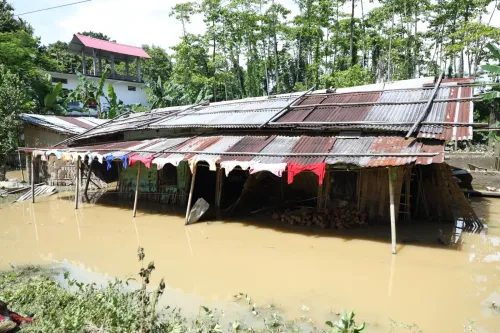
Golaghat district sits within one of India's most flood-prone corridors. The Brahmaputra River and its tributaries swell every monsoon season, breaching embankments and displacing communities across the Brahmaputra floodplain. The state's Water Resources divisions are the front-line agencies responsible for maintaining thousands of kilometres of embankments — structures that, when they fail, can inundate entire villages overnight.
The PDNA mechanism exists precisely to break this cycle by moving beyond emergency relief toward structured, assessed rehabilitation — identifying the most critical vulnerabilities and channelling funds accordingly. Flood-affected residents of Golaghat are the direct beneficiaries as work on the ground continues.
The bigger picture: integration with central disaster schemes
Assam's rehabilitation efforts rarely exist in isolation. State-level PDNA projects often intersect with centrally sponsored disaster management and infrastructure funds. Whether the ongoing Golaghat WR Division work is drawing on state resources alone or is co-financed through national frameworks remains to be clarified — but the steady-progress signal from the CMO suggests implementation has crossed the planning phase and entered active execution.
The real test, as always in Assam's flood-recovery calendar, is whether works are completed and made durable before the next monsoon season arrives.
Point of View
With embankment failures often erasing years of investment in a single monsoon. The CMO's update on PDNA progress in Golaghat signals that the current administration is attempting to shift from reactive emergency response toward structured, assessment-led rehabilitation — a meaningful distinction in disaster governance. However, the durability of that shift will depend on how quickly assessed works are completed, how well they are maintained, and whether state budgets integrate with central disaster-resilience funding in a sustained way. Until those metrics are consistently positive, official progress updates will continue to run slightly ahead of ground-level reality for communities most exposed to annual flooding.
NationPress
31 Oct 2026
Frequently Asked Questions
What is the Post Disaster Needs Assessment (PDNA) in Assam?
The PDNA is a structured post-disaster evaluation framework used to quantify infrastructure damage and plan prioritised recovery and rehabilitation works. In Assam, state agencies like the Water Resources Department use it to guide embankment repairs and flood-control infrastructure restoration after monsoon damage.
What is the Golaghat WR Division?
The Golaghat Water Resources Division is the state government's Water Resources Department office for Golaghat district, responsible for flood control, embankment maintenance, and irrigation infrastructure in one of Assam's most flood-vulnerable districts.
Why is Golaghat district so prone to flooding?
Golaghat is situated in eastern Assam within the Brahmaputra River basin. The Brahmaputra and its tributaries swell significantly each monsoon season, causing frequent embankment breaches, riverbank erosion, and inundation of low-lying areas across the district.
What kind of work is being done under PDNA in Golaghat?
PDNA works in Golaghat WR Division focus on restoration and rehabilitation of flood-damaged water resources infrastructure, including embankments, drainage systems, and related flood-control structures, aimed at strengthening the district's resilience against future disasters.
Is the Assam PDNA work centrally funded?
State-level PDNA rehabilitation projects in Assam can draw on both state disaster management funds and centrally sponsored schemes. The exact funding mix for the ongoing Golaghat WR Division works has not been specified in the current official communication.