Delhi AQI hits 'moderate' 187 as GRAP Stage 1 kicks in; Sirsa credits citizens
Synopsis
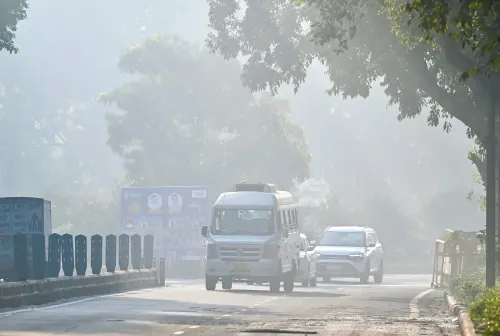
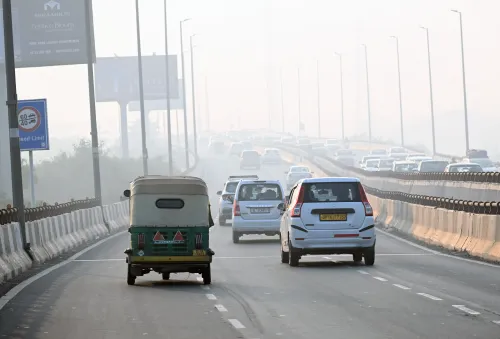
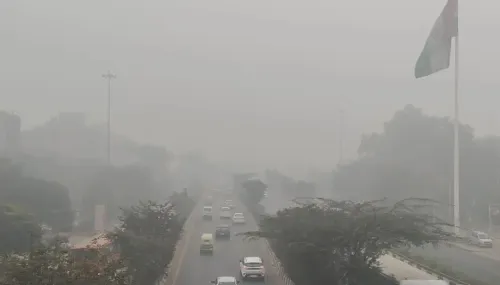
Delhi's AQI of 187 on Monday looks encouraging on paper, but several monitoring stations are deep in the 'poor' category — and GRAP Stage 1 is already active. With Chhath Puja approaching and winter pollution season underway, the question is not whether the air is improving but how quickly it could deteriorate.
Key Takeaways
Delhi's overall AQI stood at 187 ('moderate') at 8 am on Monday, 27 October 2026 , per CPCB data.
Station-level readings ranged from Burari (128) and Badarpur (125) to Jahangirpuri (251) and Vivek Vihar (240) .
The CAQM has already invoked GRAP Stage 1 , banning coal and firewood in tandoors and restricting diesel generator use.
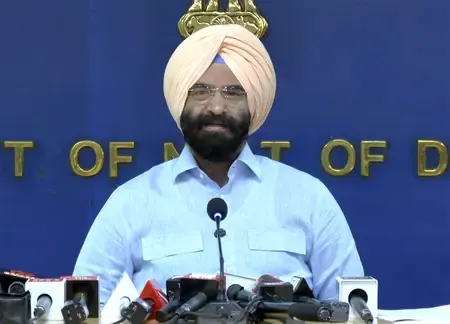
Environment Minister Manjinder Singh Sirsa credited residents, civic agencies, and neighbouring state police for the current reading.
White foam reappeared on the Yamuna near Kalindi Kunj ; Minister Parvesh Verma attributed it to a waterfall cascade point at the Delhi–UP boundary.
Additional Chhath Puja ghats are being built; the Delhi Jal Board will supply clean water at ghat sites.
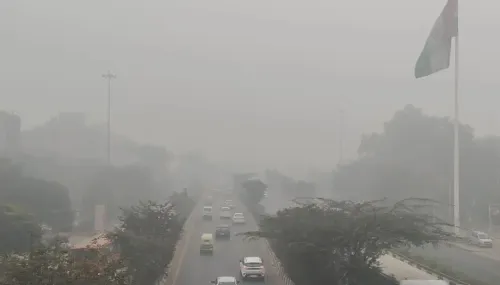
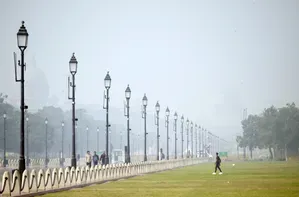
Delhi's Air Quality Index (AQI) stood at 187 at 8 am on Monday, 27 October 2026, placing the national Capital in the 'moderate' category, according to the Central Pollution Control Board (CPCB). Environment Minister Manjinder Singh Sirsa credited the improvement to the collective efforts of Delhi's residents, civic bodies, and neighbouring state police forces.
What the Numbers Show
While the overall AQI reading of 187 — down from 153 the previous day — signals a marginal improvement, monitoring stations across the city told a more uneven story. Relatively cleaner zones included Burari (128), Badarpur (125), and Nangloi (150). At the other end, Jahangirpuri (251), Vivek Vihar (240), R.K. Puram (233), CRRI Mathura Road (231), Punjabi Bagh (229), Narela (227), and Mundka (226) continued to record elevated levels well into the 'poor' category.
The city's air quality has been primarily affected by fine particulate matter — PM2.5 and PM10 — whose concentration varies sharply by locality and time of day.
What the Government Said
Speaking on Monday, Minister Sirsa said: 'I thank the people of Delhi today. Even today, the AQI is moderate, around 180, while yesterday it was 153. The Delhi government, our colleagues in the Municipal Corporation, Delhi Traffic Police and the citizens of Delhi have continuously provided tremendous support.'
Sirsa also highlighted the role of police in neighbouring districts, noting that for the past three days, officers had been preventing polluting vehicles from entering Delhi — a cross-border coordination effort that officials say has contributed to keeping the overall index from worsening.
GRAP Stage 1 Already in Force
The acknowledgement of a 'moderate' reading comes even as the Commission for Air Quality Management (CAQM) last week invoked Stage 1 measures under the Graded Response Action Plan (GRAP), after the city's air quality had deteriorated to the 'poor' category. Under Stage 1, the use of coal and firewood in tandoors at hotels, restaurants, and open-air eateries is prohibited. The operation of diesel generator sets is also restricted, except for essential and emergency requirements. This comes amid the annual seasonal pattern in which Delhi's air quality typically worsens between October and January, driven by crop stubble burning in Punjab and Haryana, falling temperatures, and reduced wind speeds.
Yamuna Foam Returns Ahead of Chhath Puja
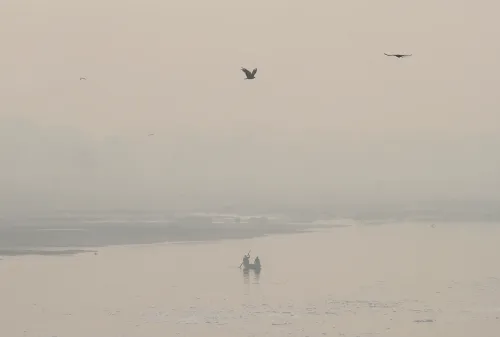
Separately, Delhi Minister Parvesh Verma addressed the reappearance of white foam near Okhla Barrage and the Kalindi Kunj stretch of the Yamuna — a visually striking and recurring sign of the river's persistent pollution crisis — ahead of Chhath Puja. Verma said: 'The length of the Yamuna in Delhi is 52 kilometres. There is no foam anywhere along these 52 kilometres. Where Delhi's boundary ends and Uttar Pradesh begins, there is only an endpoint where foam is visible because there is a very large waterfall there.' He attributed the foam to water turbulence at a cascade point, rather than pollution originating within Delhi.
Verma added that Chhath Puja preparations were progressing well, with additional ghats being constructed and the Delhi Jal Board tasked with supplying clean water at all ghat sites. The developments follow Delhi Chief Minister Rekha Gupta's recent inauguration of Yamuna rejuvenation infrastructure projects worth approximately ₹9,000 crore.
What Comes Next
With Delhi entering the peak winter pollution season, air quality officials and civic bodies will be monitoring the situation closely for a possible escalation to GRAP Stage 2, which carries stricter restrictions. Whether the current 'moderate' window holds will depend on weather patterns, the pace of stubble burning in adjoining states, and enforcement of vehicle and industrial emission norms across the Delhi-NCR region.
Point of View
And GRAP Stage 1 was triggered before this reading was recorded, which means the situation was worse when the response was activated. Minister Sirsa's public thanks to citizens is politically useful framing, but it papers over the structural drivers: stubble burning across the border, ageing diesel fleets, and a construction sector that routinely flouts dust norms. The Yamuna foam episode is a reminder that Delhi's twin crises — air and water — share the same root: enforcement gaps that persist regardless of which government is in power. With peak winter still weeks away, a 'moderate' reading in late October is a floor, not a ceiling.
NationPress
26 Oct 2026
Frequently Asked Questions
What is Delhi's AQI reading today and what category does it fall in?
Delhi recorded an AQI of 187 at 8 am on Monday, 27 October 2026, placing it in the 'moderate' category according to the Central Pollution Control Board (CPCB). However, several monitoring stations across the city continued to report 'poor' category readings above 200.
What is GRAP Stage 1 and what restrictions does it impose in Delhi?
GRAP Stage 1 is the first tier of the Graded Response Action Plan, invoked by the Commission for Air Quality Management (CAQM) when Delhi's air quality deteriorates to the 'poor' category. Under Stage 1, coal and firewood use in tandoors at hotels, restaurants, and open-air eateries is banned, and diesel generator sets are restricted to essential and emergency use only.
Which areas in Delhi have the worst air quality right now?
As of Monday morning, Jahangirpuri (251), Vivek Vihar (240), R.K. Puram (233), CRRI Mathura Road (231), Punjabi Bagh (229), Narela (227), and Mundka (226) recorded the highest AQI readings — all in or near the 'poor' category. Cleaner readings were logged at Burari (128) and Badarpur (125).
Why has white foam appeared on the Yamuna near Kalindi Kunj ahead of Chhath Puja?
Delhi Minister Parvesh Verma attributed the foam to turbulence at a large waterfall at the point where Delhi's boundary meets Uttar Pradesh, rather than to pollution within Delhi's 52-kilometre Yamuna stretch. Environmentalists and residents have long flagged the Yamuna's persistent foam as a sign of untreated sewage and industrial discharge.
What preparations are being made for Chhath Puja on the Yamuna in Delhi?
According to Minister Parvesh Verma, additional ghats are being constructed across Delhi and the Delhi Jal Board will supply clean water at all ghat sites. Officials say tenders have been completed and preparations are at an advanced stage ahead of the festival.