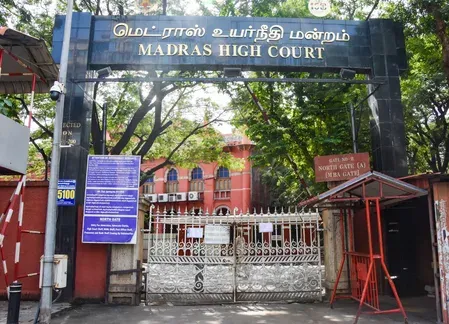
Madras HC PIL challenges TN govt's acceptance of 3 AIADMK MLAs' resignations
Synopsis
A PIL before the Madras High Court is testing a critical constitutional grey zone: can a Tamil Nadu Speaker accept AIADMK legislators' resignations while disqualification petitions are still pending? The case, invoking the Kihoto Hollohan precedent, could reshape how anti-defection proceedings are conducted in state assemblies nationwide.
Key Takeaways
Ravi of Desiya Makkal Sakthi Katchi has filed a PIL in the Madras High Court challenging the acceptance of resignations of three AIADMK MLAs.
The three legislators — Maragatham Kumaravel , S.
Sathyabama — resigned from the Assembly and subsequently joined the ruling Tamilaga Vettri Kazhagam (TVK) .
The petition alleges the resignations were accepted despite pending disqualification proceedings under the Tenth Schedule of the Constitution.
Petitioner invokes the Kihoto Hollohan Supreme Court judgment, which upheld the Tenth Schedule as a safeguard of parliamentary democracy.
The matter is expected to be heard by the Madras High Court on Friday .
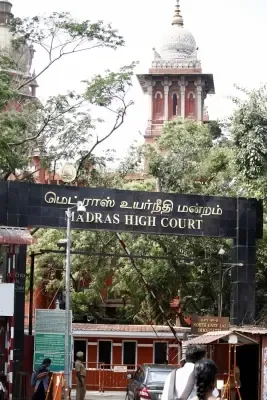
A petition has been filed before the Madras High Court challenging the Tamil Nadu government's decision to accept the resignations of three All India Anna Dravida Munnetra Kazhagam (AIADMK) legislators, with the petitioner arguing that the move directly undermines the anti-defection provisions enshrined in the Tenth Schedule of the Constitution. The matter is expected to come up for hearing on Friday.
The Petition and What It Seeks
Desiya Makkal Sakthi Katchi leader M.L. Ravi has approached the court seeking to declare as 'illegal, arbitrary and unconstitutional' the gazette notification issued by the state government accepting the resignations of AIADMK legislators Maragatham Kumaravel, S. Jayakumar, and P. Sathyabama. The three had resigned from the state Assembly before subsequently joining the ruling Tamilaga Vettri Kazhagam (TVK).
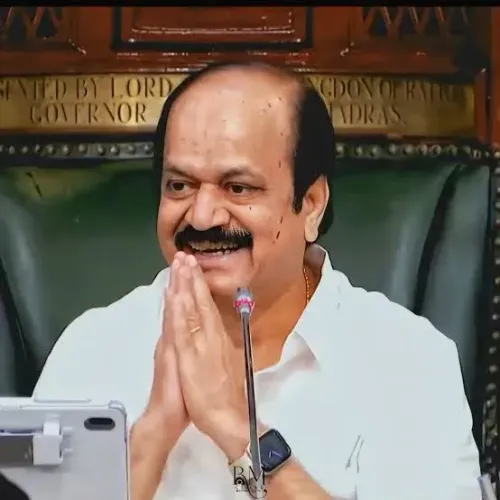
Ravi has also sought a direction to Tamil Nadu Assembly Speaker J.C.D. Prabhakar to adjudicate and dispose of the pending disqualification petitions against the three legislators in accordance with law and Supreme Court guidelines.
The Constitutional Argument
The petitioner contended that the resignations were accepted despite disqualification proceedings being pending under the Tenth Schedule, which governs anti-defection provisions. According to Ravi, permitting legislators to resign before a ruling on their disqualification petitions defeats the very purpose of the constitutional framework designed to curb political defections.
Ravi invoked the landmark Supreme Court judgment in the Kihoto Hollohan case, which upheld the validity of the Tenth Schedule and described it as a crucial constitutional mechanism to preserve the integrity of parliamentary democracy. That ruling, he argued, emphasised the necessity of preventing defections that erode public confidence in elected institutions.
Allegations Against the Speaker
The petition alleged that the Assembly Speaker, while exercising constitutional powers, is expected to act in a manner that advances constitutional objectives and safeguards democratic values. By accepting the resignations without first deciding the disqualification petitions, the Speaker had effectively enabled the legislators to bypass the anti-defection law, Ravi alleged.
The plea further warned that such an approach renders the protections under the Tenth Schedule ineffective and sets a dangerous precedent that could encourage elected representatives to evade disqualification proceedings through resignation.
Broader Implications
This case is notable because it tests a well-known constitutional grey zone: whether a Speaker can accept a legislator's voluntary resignation while disqualification proceedings under the Tenth Schedule are still pending. Critics argue this sequence effectively allows defectors to sidestep the anti-defection law — a concern the Supreme Court has flagged in multiple rulings, though no definitive bar on such resignations has been legislated. Notably, the TVK, which the three legislators joined, is the ruling party in Tamil Nadu, adding a political dimension to the legal challenge.
The Madras High Court is expected to take up the matter on Friday, and its ruling could have implications for how anti-defection proceedings are conducted across state assemblies.
Point of View
Yet state assemblies have repeatedly exploited procedural sequencing to defang it. Tamil Nadu is not the first state to see this pattern, and it will not be the last unless courts draw a firm procedural line. The Madras High Court's ruling on Friday will be watched closely: a strong order could finally close the resignation-as-escape-hatch loophole that has quietly hollowed out anti-defection law across India.
NationPress
19 Sept 2026
Frequently Asked Questions
What is the PIL filed in the Madras High Court about?
The PIL challenges the Tamil Nadu government's decision to accept the resignations of three AIADMK legislators — Maragatham Kumaravel, S. Jayakumar, and P. Sathyabama — while disqualification proceedings against them under the Tenth Schedule of the Constitution were still pending. The petitioner argues the move undermines anti-defection law.
Who filed the petition and what relief has been sought?
Desiya Makkal Sakthi Katchi leader M.L. Ravi filed the petition, seeking the court to declare the state government's gazette notification accepting the resignations as illegal and unconstitutional. He has also sought a direction to Tamil Nadu Assembly Speaker J.C.D. Prabhakar to adjudicate the pending disqualification petitions.
Why does the Tenth Schedule matter in this case?
The Tenth Schedule of the Constitution contains India's anti-defection provisions, which are meant to prevent elected legislators from switching parties for political gain. The petitioner argues that allowing resignations before disqualification proceedings conclude effectively lets legislators bypass these protections.
What is the Kihoto Hollohan judgment cited in the petition?
The Kihoto Hollohan case is a landmark Supreme Court ruling that upheld the validity of the Tenth Schedule, describing it as a crucial constitutional mechanism to preserve parliamentary democracy. The petitioner cited it to argue that the Speaker must resolve disqualification petitions before acting on resignations.
When will the Madras High Court hear the case?
The matter is expected to come up for hearing before the Madras High Court on Friday. The court's ruling could set an important precedent for how anti-defection proceedings are handled across state assemblies in India.