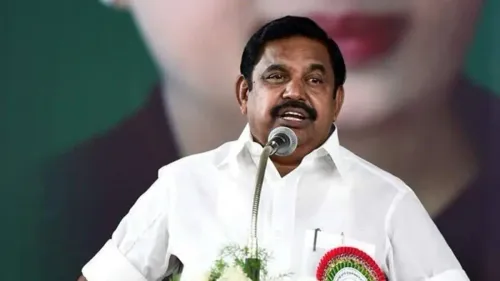
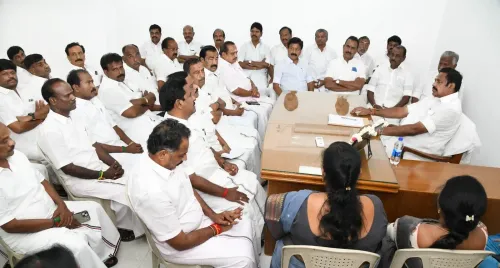
TN Speaker summons Palaniswami, 4 ex-AIADMK MLAs for July 30 defection hearing
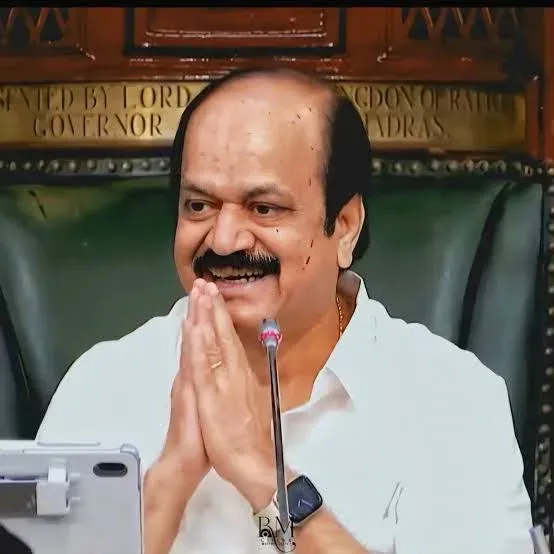
Synopsis
Tamil Nadu's anti-defection case just escalated: Speaker J.C.D. Prabhakar has called Palaniswami and all four targeted ex-AIADMK MLAs for a simultaneous July 30 hearing — the first time both sides face the Speaker together. With the four having already joined the ruling TVK, the ruling could reshape Tamil Nadu's legislative balance and test the limits of a party leader's selective condonation power under the Tenth Schedule.
Key Takeaways
Prabhakar has summoned Edappadi K.
Palaniswami and four ex-AIADMK MLAs to appear on 30 July in the ongoing anti-defection case.
The four summoned legislators are Maragatham Kumaravel , P.
Jeyakumar , and Esakki Subaya , each allotted a 30-minute hearing slot .
The case arose after 25 AIADMK MLAs voted for the TVK government's trust vote, defying the party whip; Palaniswami later condoned 21 of them .
The remaining four resigned from the Assembly and joined the ruling TVK , keeping the disqualification proceedings active.
This is the third round of hearings; the Speaker will examine both sides' submissions before deciding the next step.
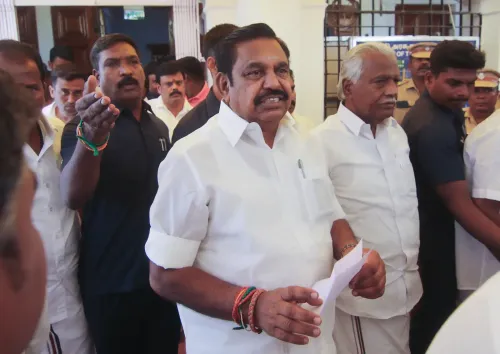
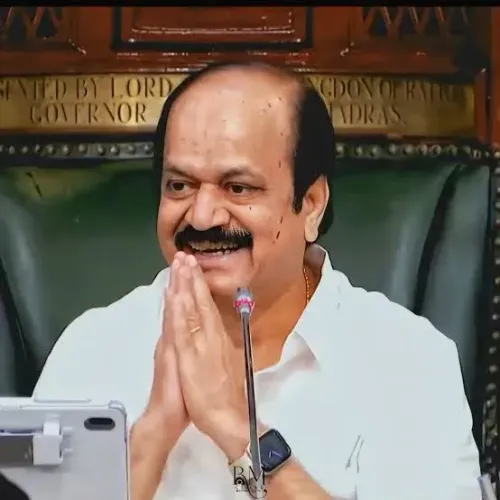
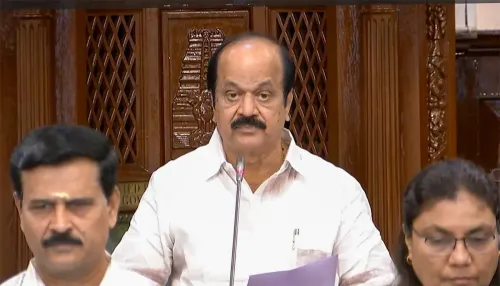
Tamil Nadu Legislative Assembly Speaker J.C.D. Prabhakar has summoned AIADMK general secretary and Leader of Opposition Edappadi K. Palaniswami, along with four former AIADMK legislators facing disqualification proceedings under the Tenth Schedule of the Constitution, to appear before him on 30 July for further clarification in the ongoing anti-defection case. The summons, issued through the Tamil Nadu Legislative Assembly Secretariat, marks the third round of hearings in proceedings that have drawn wide political attention in the state.
Who Has Been Summoned and When
The Speaker has directed former AIADMK legislators Maragatham Kumaravel (Maduranthagam), P. Sathyabama (Dharapuram), S. Jeyakumar (Perundurai), and Esakki Subaya (Ambasamudram) to appear individually between 11 a.m. and 12.30 p.m., with each member allotted a 30-minute slot. Palaniswami has been asked to remain present throughout the proceedings to provide additional clarification on the disqualification petition filed by him.
Background: The Trust Vote and Defection
The proceedings stem from a disqualification petition submitted by Palaniswami on 13 May, shortly after the confidence vote that followed the formation of the C. Joseph Vijay-led TVK government. During the trust vote, 25 AIADMK legislators voted in favour of the new government, defying the party whip issued by the AIADMK leadership — a textbook trigger for anti-defection proceedings under the Tenth Schedule.
Subsequently, Palaniswami chose to condone the actions of 21 of the 25 legislators. The remaining four — Kumaravel, Sathyabama, Jeyakumar, and Subaya — later resigned from the Assembly and joined the ruling TVK, prompting the party to continue pursuing disqualification proceedings against them.
What Has Happened So Far
The four former legislators have already appeared before the Speaker on two separate occasions, submitting both oral and written explanations regarding their decision to vote against the party whip. Following those submissions, the Speaker sought further clarification from Palaniswami on issues arising from the explanations furnished by the former members. AIADMK representatives subsequently submitted the party leader's written response to the Assembly Secretariat.
What Is at Stake
The outcome of these proceedings carries significant political and legal weight. A disqualification ruling against the four former legislators could set a precedent for how anti-defection law is applied in cases where a party leadership selectively condones some rebels but pursues others. Notably, the case also tests the limits of a party leader's discretion under the Tenth Schedule — an area where judicial interpretation has evolved but remains contested. The ruling TVK government's legislative arithmetic, too, could be affected depending on how the proceedings conclude.
The Speaker is expected to examine the explanations from both sides before deciding the next course of action. All eyes will be on the 30 July hearing as a potential turning point in this politically sensitive case.
Point of View
But selective enforcement is murkier territory. If the Speaker disqualifies the four, it also hands the ruling TVK a political narrative about AIADMK's internal contradictions. If he does not, it weakens the anti-defection framework's deterrent value at a moment when floor-crossing is already on trial across multiple state assemblies.
NationPress
25 Oct 2026
Frequently Asked Questions
Why has the Tamil Nadu Speaker summoned Palaniswami on July 30?
Speaker J.C.D. Prabhakar has summoned Palaniswami to provide additional clarification on the disqualification petition he filed against four former AIADMK MLAs. The Speaker requires further explanation on issues that emerged from the written and oral submissions already made by the four legislators.
Who are the four ex-AIADMK MLAs facing disqualification?
The four are Maragatham Kumaravel (Maduranthagam), P. Sathyabama (Dharapuram), S. Jeyakumar (Perundurai), and Esakki Subaya (Ambasamudram). All four voted for the TVK government's trust motion against the AIADMK party whip, later resigned from the Assembly, and joined the ruling TVK.
What triggered the anti-defection case in Tamil Nadu?
The case was triggered when 25 AIADMK legislators voted in support of the C. Joseph Vijay-led TVK government during its confidence motion, defying the AIADMK party whip. Palaniswami filed a disqualification petition on 13 May under the Tenth Schedule of the Constitution.
Why were only four MLAs pursued for disqualification when 25 voted against the whip?
Palaniswami chose to condone the actions of 21 of the 25 legislators. The remaining four were not condoned, reportedly because they subsequently resigned from the Assembly and formally joined the ruling TVK party, prompting the AIADMK leadership to continue pursuing their disqualification.
What are the possible outcomes of the July 30 hearing?
The Speaker will examine submissions from both sides before deciding the next course of action. A disqualification ruling would have significant legal and political consequences for both the AIADMK and the TVK government, and could set a precedent on selective condonation under the Tenth Schedule.