Sachin Pilot Demands Electoral Roll Accountability at Ramleela Maidan Rally
Synopsis
Congress general secretary Sachin Pilot, speaking from a Ramleela Maidan rally on November 1, 2026, accused the BJP of orchestrating the removal of 13 crore names from electoral rolls, calling it a direct assault on the Constitution and demanding full accountability from Modi and Shah.
Key Takeaways
Sachin Pilot declared at a Ramleela Maidan rally that the time has come to demand full accountability for 'injustice done to the country.' Congress alleges 13 crore voter names were deliberately removed from electoral rolls in a 'premeditated conspiracy.' Pilot named Modi, Shah, and 'Gyanesh' directly in his charge of 'vote theft.' The post frames the issue as a fight for the Constitution and democratic rights — not merely a partisan battle.
Opposition parties have raised concerns about electoral roll discrepancies and institutional bias across multiple election cycles since 2014.
Possible follow-up actions include court petitions on voter-list revisions and a formal response from the Election Commission of India .
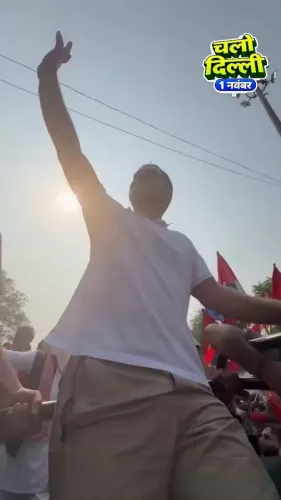
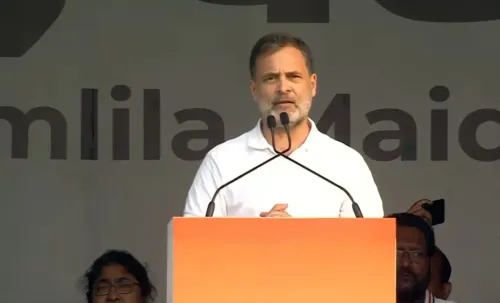
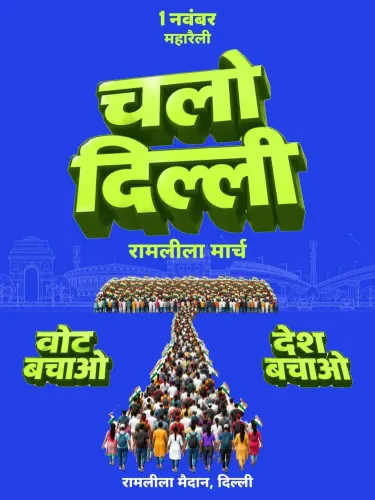
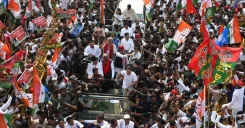
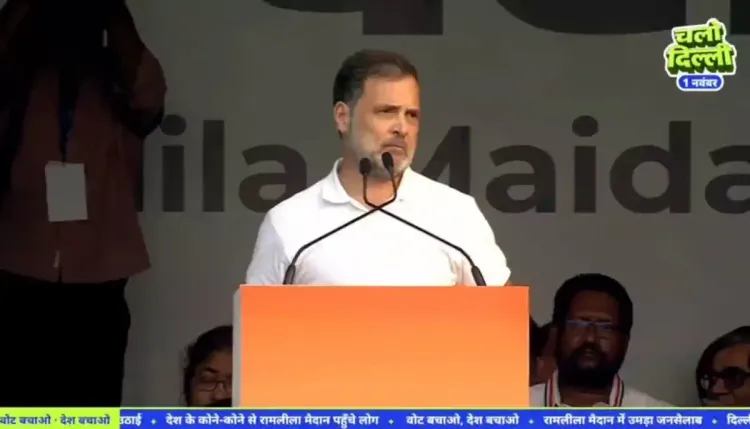
A charged political rally at one of Delhi's most storied protest grounds has sharpened Congress's offensive against the ruling BJP — with Congress general secretary and Chhattisgarh in-charge Sachin Pilot declaring on Sunday, November 1, 2026, that the time has come to demand a full reckoning for what he called 'injustice and damage done to the country.' The flashpoint: an allegation that 13 crore names were deliberately struck from electoral rolls in a 'premeditated conspiracy' against democracy itself.
The Ramleela Maidan Message and What Was Alleged
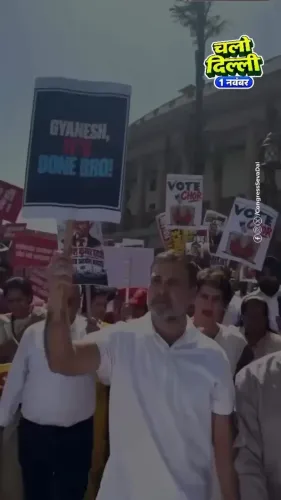
Pilot's post, addressed jointly to Rahul Gandhi, K.C. Venugopal, Priyanka Gandhi, and the Congress party handles, frames the Ramleela Maidan gathering as a turning point. 'रामलीला मैदान से निकला संदेश बिल्कुल साफ है' — 'The message from Ramleela Maidan is absolutely clear' — he wrote, before levelling the charge of 'vote theft' directly at 'Modi-Shah-Gyanesh,' a reference that links the Prime Minister and Home Minister to what the opposition describes as institutional manipulation of voter lists.
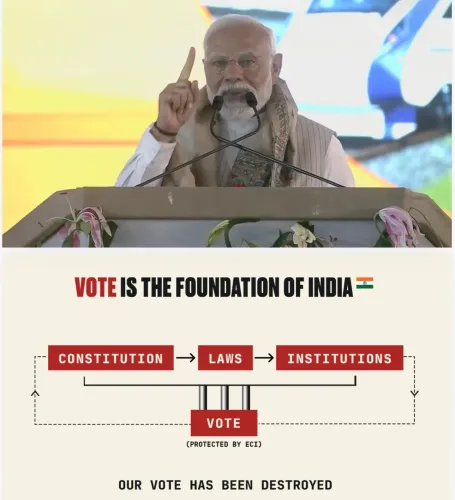
The figure of 13 crore voters allegedly removed from electoral rolls is the sharpest claim in Pilot's post — one that, if borne out, would represent a systemic assault on franchise at a scale dwarfing the population of several Indian states combined. The Congress framing presents this not as an administrative error but as a 'soch-samjhi saazish' — a calculated conspiracy — against the Constitution.
BJP, Constitutional Bodies, and the Opposition's Recurring Argument
Pilot's charge that the BJP has 'occupied constitutional institutions' to silence opposition voices sits within a well-established Congress narrative stretching back several election cycles. Opposition parties have raised concerns about electoral roll discrepancies, institutional autonomy, and the Election Commission of India's independence repeatedly since 2014 — through debates over Electronic Voting Machines, electoral bonds, and, now, voter-list revisions.
What makes the current moment distinct in his framing is the claim of scale and intent. Past allegations focused on process and transparency; this one names specific leaders and uses the language of constitutional crisis. 'This fight,' Pilot writes, 'belongs not to any one political party but to saving the Constitution, democracy, and the rights of the people.' That repositioning — from partisan grievance to constitutional duty — is deliberate and worth noting.
Ramleela Maidan's Weight as a Political Stage
Ramleela Maidan, situated in central Delhi, carries enormous symbolic freight in Indian political memory. It was here that mass movements — from Anna Hazare's anti-corruption agitation to major opposition conclaves — have historically sought to dramatise popular mandates. Choosing it as the launchpad for a voter-list accountability campaign signals Congress's intent to invest this issue with the same moral gravity as those earlier moments of public pressure.
The rally's resonance will now be tested in two arenas: whether formal legal or parliamentary challenges follow the political rhetoric, and whether the Election Commission responds to what amounts to a public indictment of its processes. Pilot's tagging of senior party leadership in the post suggests coordinated amplification is already underway.
Point of View
A rhetorical step that widens the audience beyond core supporters to voters anxious about institutional fairness. The invocation of Ramleela Maidan as a backdrop is a deliberate attempt to anchor a partisan charge in the tradition of mass democratic movements. However, the credibility of the 13-crore figure will be the pivot on which the campaign's persuasive power turns — unsubstantiated, it risks being dismissed as hyperbole; substantiated through legal or parliamentary filings, it could force a serious public reckoning. The tagging of senior Congress leaders signals this is a coordinated, top-down messaging strategy ahead of what is likely an upcoming electoral contest.
NationPress
1 Nov 2026
Frequently Asked Questions
What did Sachin Pilot say at the Ramleela Maidan rally?
Sachin Pilot declared that the message from Ramleela Maidan is clear — it is time to demand full accountability for injustice done to the country. He alleged that 13 crore voter names were deliberately removed from electoral rolls by the BJP in a premeditated conspiracy against democracy and the Constitution.
What is the 13 crore voter deletion claim about?
Congress has alleged that 13 crore names were struck from India's electoral rolls in a calculated move orchestrated by the ruling BJP to suppress opposition votes. The party calls it 'vote theft' and a direct attack on the Constitution. The claim has not been independently verified.
Who is 'Gyanesh' mentioned by Sachin Pilot?
Pilot's post refers to 'Modi-Shah-Gyanesh' in the context of alleged vote theft. The reference is widely understood within Congress messaging to point to the current Chief Election Commissioner , though the post does not elaborate further.
Has Congress raised electoral roll concerns before?
Yes. Opposition parties , led by Congress, have repeatedly alleged discrepancies in electoral rolls and raised questions about the Election Commission of India's independence since 2014 , covering issues from EVMs to electoral bonds and voter-list revisions.
What could happen next after Pilot's allegations?
Political observers expect formal court petitions challenging electoral roll revisions and possible parliamentary demands for a probe. The Election Commission of India may also be compelled to issue a public response to the specific allegations raised at the rally.