Pilot condoles Jaipur road accident, urges govt action
Synopsis
Congress leader Sachin Pilot on 7 July 2026 expressed grief over a fatal Jaipur road accident that killed four people, including three children, and urged the Rajasthan government and administration to take strict, concrete steps to stop recurring road tragedies across the state.
Key Takeaways
A road accident in Jaipur, Rajasthan killed four people, including three children , and injured one woman.
Congress leader Sachin Pilot expressed condolences to the bereaved families on 7 July 2026 .
Pilot called on the Rajasthan government and administration to ensure strict steps and stringent action against recurring road accidents.
He also prayed for the speedy recovery of the injured woman.
Road fatalities in Rajasthan have shown recurring spikes linked to enforcement gaps and infrastructure conditions.
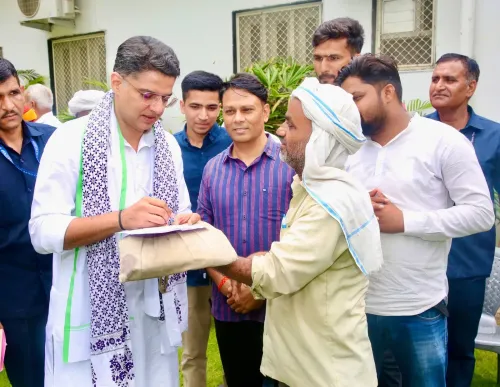
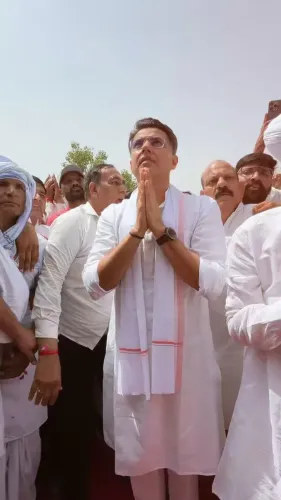
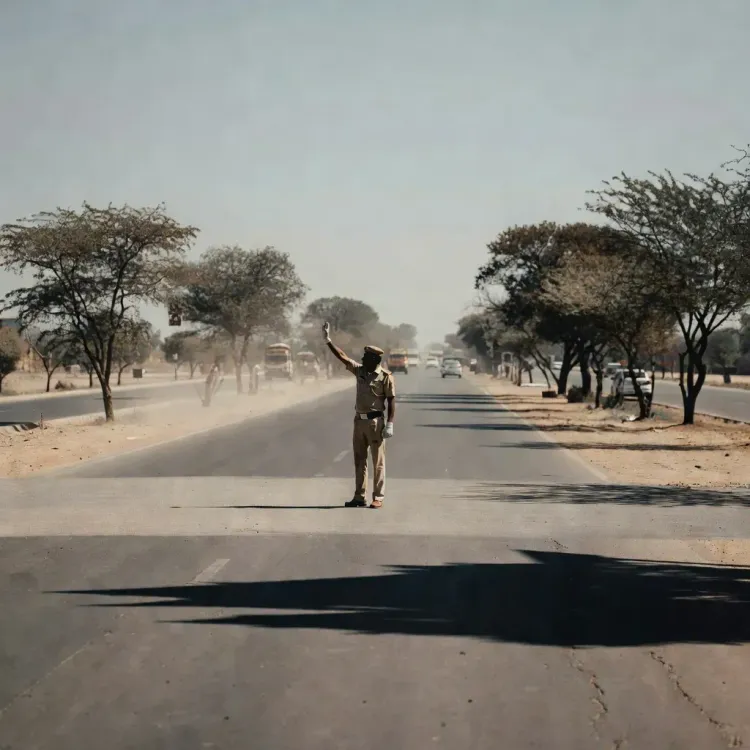
Congress leader Sachin Pilot on Tuesday, 7 July 2026, expressed grief over a fatal road accident in Jaipur, Rajasthan, that claimed the lives of four people, including three children, and left one woman injured. The former Deputy Chief Minister called on the state government and administration to take strict measures to prevent the recurring road accidents in the state.
Context
Posting in Hindi on X, Pilot described the news as 'hridayvidarak' (heartbreaking), conveying deep condolences to the bereaved families. He also expressed his wish for the injured woman's swift recovery, writing: 'Ghayal mahila ke shighra swasth hone ki kamna karta hoon' — 'I pray for the speedy recovery of the injured woman.'
The accident, which occurred in Jaipur, the capital of Rajasthan, drew immediate political attention given the scale of the tragedy, particularly the deaths of three children.
Policy Backdrop
Rajasthan has witnessed recurring road fatalities, particularly on state highways and within Jaipur, linked to persistent gaps in traffic enforcement and road infrastructure conditions. The state government has periodically announced road safety drives and enhanced highway patrolling following clusters of accidents in prior years, though critics argue implementation has remained inconsistent.
Pilot's statement directly called out this pattern, urging that 'sarkar aur prashasan ko sakht kadam aur kathor karvai sunishchit karni chahiye' — 'the government and administration must ensure strict steps and stringent action' to stop the recurrence of road accidents across the state.
Stakeholders and Impact
The immediate victims are the families of the four deceased, including the parents and relatives of the three children killed, and the injured woman. Broader stakeholders include road users across Rajasthan, urban families in Jaipur, and the state transport and public works departments responsible for enforcement and infrastructure upkeep.
Opposition commentary of this nature, while customary following major accidents, also serves to place accountability squarely on the ruling administration. Similar patterns of political response to road tragedies have been observed across multiple Indian states, where the focus tends to be on implementation shortfalls rather than demands for new legislation.
What's Next
Attention will now turn to the Rajasthan state transport department and whether the government issues a formal response or announces specific road safety measures in the wake of the accident. Any upcoming assembly session discussions on traffic enforcement upgrades will be closely watched by opposition leaders and civil society groups alike.
With road safety remaining a persistent governance challenge in Rajasthan, Pilot's public call for accountability could amplify pressure on the state administration to present a credible, time-bound action plan on highway safety.
Point of View
Empathetic, and pointed — designed to hold the ruling Rajasthan government accountable on a visible public-safety failure. The deaths of three children sharpen the moral weight of the call for action, making it difficult for the administration to respond with routine assurances. This fits a broader pattern in Indian state politics where road accident tragedies become flashpoints for governance critiques, especially when enforcement and infrastructure gaps are well-documented. Whether the statement translates into sustained legislative pressure or remains a moment of political signalling will depend on how the Congress party follows up in the assembly and on the ground.
NationPress
7 Jul 2026
Frequently Asked Questions
What happened in the Jaipur road accident that Sachin Pilot mentioned?
A road accident in Jaipur, Rajasthan, killed four people, including three children, and left one woman injured, according to Sachin Pilot's post on 7 July 2026. Specific details of the accident could not be independently verified at the time of publication.
What did Sachin Pilot say about the Jaipur accident?
Sachin Pilot described the news as heartbreaking, conveyed deep condolences to the bereaved families, prayed for the injured woman's swift recovery, and urged the Rajasthan government and administration to take strict and stringent action to prevent recurring road accidents.
What is Sachin Pilot's political position?
Sachin Pilot is a Congress leader, general secretary of the Indian National Congress, and a former Deputy Chief Minister of Rajasthan. He currently serves as the party's in-charge for Chhattisgarh.
How serious is the road accident problem in Rajasthan?
Rajasthan has seen recurring road fatalities, particularly in Jaipur and on state highways, linked to enforcement gaps and infrastructure conditions. The state has announced road safety drives periodically, but critics point to inconsistent implementation.
What action has Sachin Pilot demanded from the Rajasthan government?
Pilot has demanded that the Rajasthan government and administration ensure strict steps and stringent action to stop the recurrence of road accidents across the state.