Pilot slams BJP govt over NSUI student arrests in Jodhpur
Synopsis
Congress leader Sachin Pilot has condemned the Rajasthan BJP government after police arrested NSUI office-bearers and students staging a peaceful protest against an unannounced fee hike at Jai Narain Vyas University in Jodhpur, calling the crackdown anti-student and unconstitutional.
Key Takeaways
Sachin Pilot publicly condemned the arrest of NSUI protesters at Jai Narain Vyas University, Jodhpur on July 3, 2026 .
NSUI Jodhpur Rural District President Manish Bishnoi and other student union office-bearers were among those detained by police.
The protest was against an alleged unannounced fee revision at the public university, which students say disproportionately harms economically weaker students.
Pilot characterised the arrests as evidence of the Rajasthan BJP government's 'anti-student mindset' and called the crackdown 'undemocratic and condemnable.' The specific fee hike amount and exact number of arrests have not been officially confirmed by the university or state government.
The Rajasthan Higher Education Department and JNVU administration are yet to issue a formal public response.
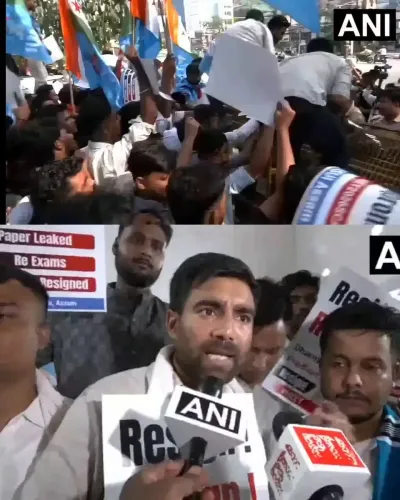
Congress leader and party general secretary Sachin Pilot on Friday, July 3, 2026, condemned the arrest of NSUI office-bearers and students who had been staging a peaceful sit-in protest at Jai Narain Vyas University (JNVU) in Jodhpur, Rajasthan, against what he described as an unannounced fee hike at the institution.
Context
NSUI Jodhpur Rural District President Manish Bishnoi and several other student union office-bearers had been sitting on a shांतिपूर्ण धरना (peaceful sit-in demonstration) for several days, demanding that the university administration address concerns over an undisclosed revision in fee structures. Rather than engaging with the students' demands, Pilot said, police moved to detain the protesters.
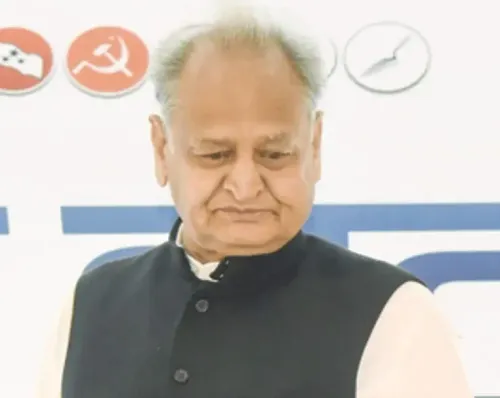
In his post, Pilot stated: 'Instead of listening seriously to the demands of these students and finding a solution, the police administration arrested the NSUI office-bearers and students who were fighting for their cause. By carrying out repressive action against NSUI workers and students, the BJP government has once again made its anti-student mindset evident to all.'
Policy Backdrop
Jai Narain Vyas University, established in 1962, is one of Rajasthan's largest public universities, serving students across arts, science, commerce, law, and engineering faculties. Fee revisions at Rajasthan's state universities have been a recurring flashpoint since the early 2010s, driven by institutional revenue shortfalls, and have triggered protests under governments of both major parties.
The current BJP government in Rajasthan, in power since December 2023, oversees higher education policy and university administration. Pilot underlined that peaceful, democratic protest is a constitutional right, particularly when it concerns the interests of economically weaker students — and that suppressing such voices through arrests is 'undemocratic and condemnable.'
Stakeholders and Impact
The protest and subsequent arrests primarily affect students from lower-income backgrounds who argue that any unannounced fee increase places higher education financially out of reach. NSUI, the student wing of the Indian National Congress, has historically been active in mobilising campus protests on issues of fee hikes and education access across Rajasthan and other states.
Pilot's intervention elevates the episode from a local campus dispute to a state-level political flashpoint, framing it within a broader Congress narrative of the BJP being hostile to student welfare. The specific quantum of the alleged fee revision and the exact number of students detained have not been officially confirmed by the university or state authorities.
What's Next
Attention will now turn to whether the JNVU administration or the Rajasthan Higher Education Department issues a formal response to the fee revision controversy and whether dialogue with student representatives is initiated. A rollback or clarification on the fee structure could defuse tensions, while continued silence risks further escalation on campus.
With assembly session cycles and student union elections typically converging in the second half of the year, the JNVU episode could become a reference point for Congress's broader critique of the Rajasthan BJP government's approach to public education and civil liberties on campuses.
Point of View
Which took office in December 2023. By framing police action against peaceful protesters as a constitutional violation rather than a law-and-order matter, Congress is attempting to broaden the political cost of the crackdown beyond the immediate campus dispute. The episode also reinforces NSUI's organisational visibility in Rajasthan ahead of student union election cycles. Whether the BJP government responds with dialogue or maintains silence will determine how far this episode travels as a political issue.
NationPress
3 Jul 2026
Frequently Asked Questions
Why were NSUI students arrested at Jai Narain Vyas University Jodhpur?
NSUI office-bearers and students were arrested by police while staging a peaceful sit-in protest against an alleged unannounced fee hike at Jai Narain Vyas University in Jodhpur. According to Congress leader Sachin Pilot, the police acted instead of engaging with the students' demands.
What is NSUI and what is its role in this protest?
NSUI, the National Students' Union of India, is the student wing of the Indian National Congress. In this case, NSUI Jodhpur Rural District President Manish Bishnoi and other office-bearers led the protest at JNVU against the fee revision.
What did Sachin Pilot say about the JNVU student arrests?
Sachin Pilot said the BJP government exposed its 'anti-student mindset' by ordering arrests instead of addressing the students' demands. He called the crackdown 'undemocratic and condemnable' and asserted that peaceful protest is a constitutional right.
How much was the fee hike at Jai Narain Vyas University?
The specific amount of the alleged fee revision at JNVU has not been officially confirmed by the university or the Rajasthan Higher Education Department. The protest characterised it as an 'unannounced' increase.
What is the BJP government's response to the NSUI protest in Jodhpur?
As of July 3, 2026, neither the Rajasthan BJP government nor the JNVU administration had issued a formal public response to the fee hike controversy or the arrests of student protesters.