Pithoragarh Gets Jagjivan Ram Medical College, 50 MBBS Seats Live
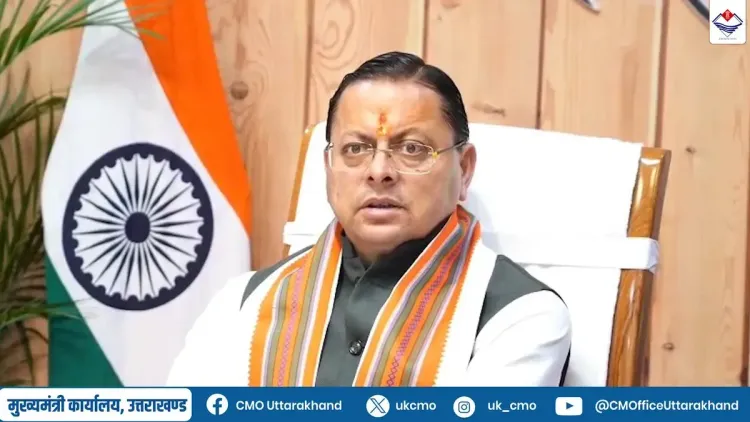
Synopsis
Uttarakhand's Chief Minister's Office announces the completion of Swargiya Jagjivan Ram Medical College in border district Pithoragarh, with 50 MBBS seats now open — a significant step toward accessible healthcare in one of the state's most remote Himalayan regions.
Key Takeaways
Swargiya Jagjivan Ram Medical College in Pithoragarh has completed construction and begun admissions.
50 MBBS seats are available in the college's inaugural intake.
The college is named after former Deputy Prime Minister and Dalit icon Jagjivan Ram .
Pithoragarh is a remote, high-altitude district bordering Nepal, historically underserved in healthcare infrastructure.
The development is part of Uttarakhand's broader push to establish government medical colleges across hill and border districts.
Expansion of seat capacity and specialist departments at the attached teaching hospital will be the next milestone to watch.
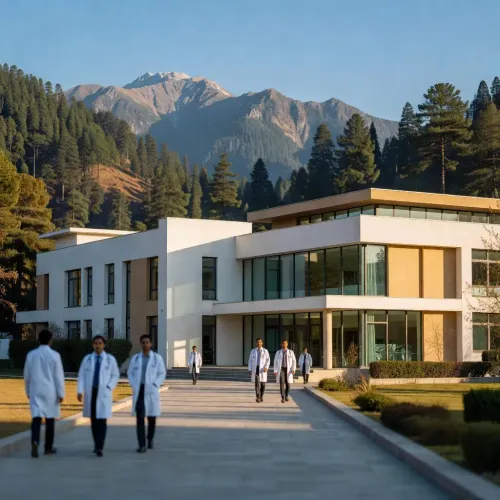
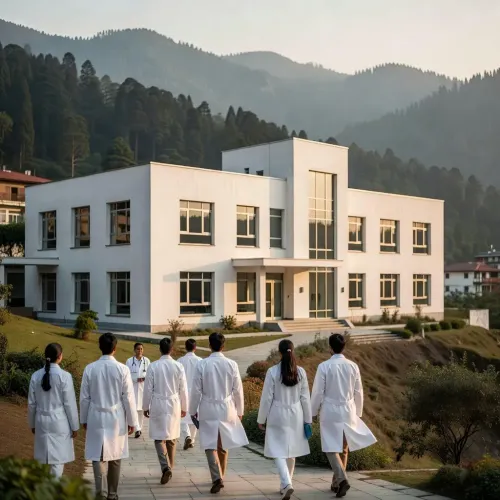
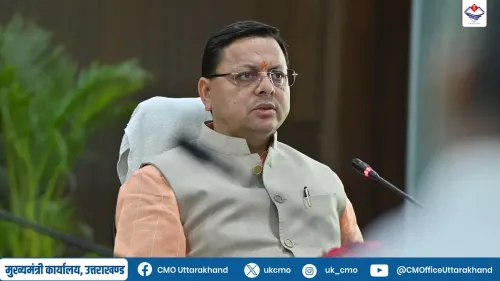
A medical college that once existed only on blueprints is now open for students — and for a border district that long struggled with healthcare access, that is no small thing. The Chief Minister's Office of Uttarakhand announced on Thursday, October 15, 2026, that construction of Swargiya Jagjivan Ram Medical College in Pithoragarh has been completed, with admissions now open for 50 MBBS seats.
The post states: 'सीमांत क्षेत्र में चिकित्सा सेवा होगी और भी ज्यादा सुलभ' — 'Medical services in the border region will become even more accessible.' For a district nestled against the Nepal frontier, deep in the Kumaon Himalayas, those words carry real weight.Why Pithoragarh Has Waited This Long
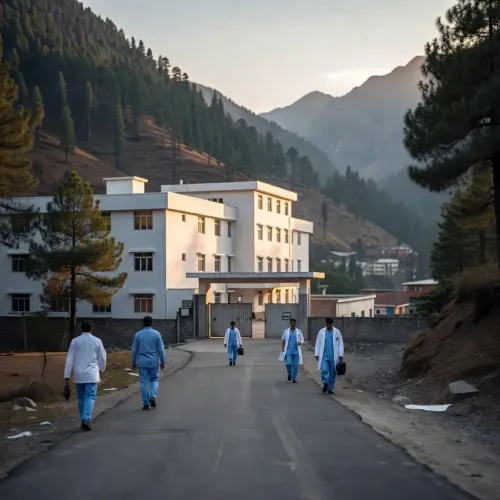
Pithoragarh is one of Uttarakhand's most remote districts — high-altitude terrain, sparse road connectivity, and a population that has historically had to travel hours, sometimes to Haldwani or Dehradun, for specialist care. The district borders Nepal, making it both strategically sensitive and chronically underserved in public health infrastructure. A functioning government medical college here changes the calculus on two fronts: it trains doctors, and those doctors are far more likely to serve locally than graduates from distant institutions.
The College Named After a Dalit Icon
The institution carries the name of Jagjivan Ram, the towering Dalit statesman who served as Deputy Prime Minister and held cabinet portfolios across multiple decades of independent India. Naming a government medical college in a border district after him is both a symbolic gesture toward social equity and a substantive one — the institution is meant to serve communities that have long sat at the margins of mainstream healthcare delivery.
Uttarakhand's Broader Push for Hill-District Medical Education
This opening fits a deliberate pattern. Uttarakhand has been steadily expanding its network of government medical colleges across districts to tackle a persistent shortage of doctors willing to practise in Himalayan postings. Institutions in border districts like Pithoragarh serve a dual purpose: they plug the gap in local medical education and anchor healthcare professionals to regions where private investment rarely follows. The 50 MBBS seats represent the college's inaugural intake — a number that could grow if the attached teaching hospital scales up specialist departments in coming years.
The operational readiness of that teaching hospital, and any formal capacity expansions down the line, will determine how quickly the college's promise translates into doctors on the ground in Uttarakhand's high hills.
Point of View
Connecting the expansion of medical education to social inclusion in a state with significant Scheduled Caste and OBC populations. The 50-seat intake is modest, but the pattern — multiple district-level colleges coming online — suggests a structural shift in how Uttarakhand plans to staff its public health system in the hills.
NationPress
15 Oct 2026
Frequently Asked Questions
Where is Jagjivan Ram Medical College located in Uttarakhand?
Swargiya Jagjivan Ram Medical College is located in Pithoragarh district , in the Kumaon region of Uttarakhand, near the Nepal border.
How many MBBS seats are available at Pithoragarh's new medical college?
The college has opened admissions for 50 MBBS seats in its inaugural intake, as announced by the Uttarakhand Chief Minister's Office on October 15, 2026.
Who was Jagjivan Ram, after whom the college is named?
Jagjivan Ram was a prominent Dalit leader and statesman who served as Deputy Prime Minister of India and held multiple cabinet portfolios across several decades of independent India's history.
Why is a medical college in Pithoragarh significant?
Pithoragarh is one of Uttarakhand's most remote, high-altitude border districts, where residents have historically had to travel long distances for specialist healthcare. A local medical college improves both access to care and the supply of doctors trained to serve in the region.
Is this part of a larger healthcare expansion in Uttarakhand?
Yes. Uttarakhand has been expanding its network of government medical colleges across hill and border districts to address chronic doctor shortages and improve healthcare delivery in geographically challenging Himalayan areas.