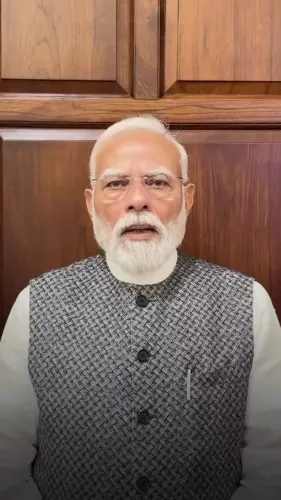
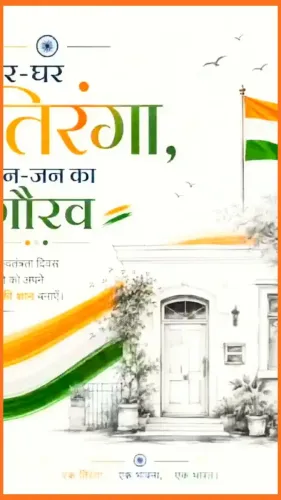
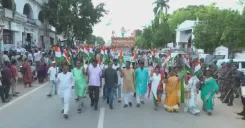
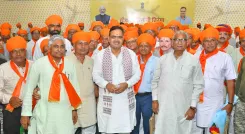
Piyush Goyal backs Har Ghar Tiranga ahead of Independence Day
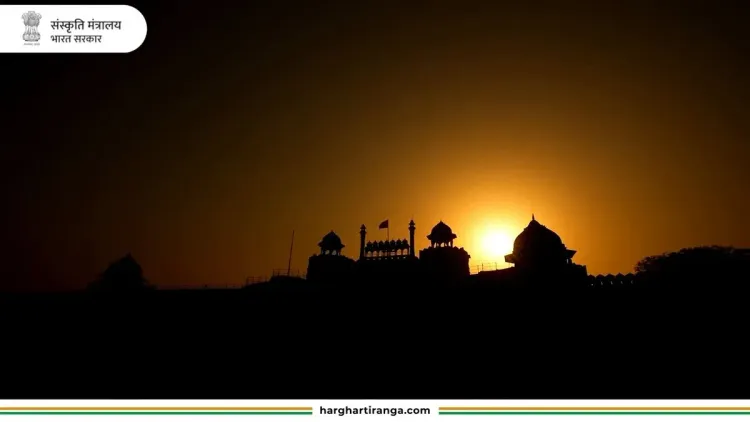
Synopsis
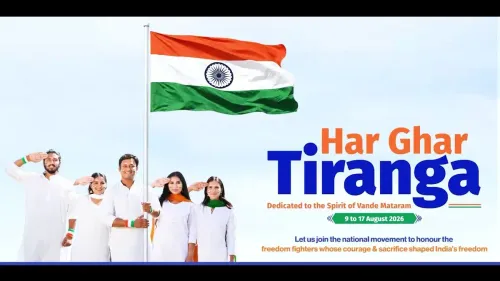
Union Minister Piyush Goyal has promoted the #HarGharTiranga campaign ahead of Independence Day on August 15, urging citizens to hoist the national flag at home. The campaign, launched in 2022 under Azadi Ka Amrit Mahotsav, was enabled by a Flag Code amendment that year allowing round-the-clock home display of the tricolour.
Key Takeaways
Union Commerce and Industry Minister Piyush Goyal posted on August 12, 2026 promoting the #HarGharTiranga campaign.
Har Ghar Tiranga was launched in 2022 under the Azadi Ka Amrit Mahotsav programme marking 75 years of independence.
A 2022 amendment to the Flag Code of India removed restrictions on private citizens displaying the national flag at home around the clock, making the campaign legally possible.
Goyal's post teases 'a fascinating story' about the tricolour, likely referencing an attached video.
Social media activity under #HarGharTiranga and flag registration numbers in the days before August 15 will indicate the campaign's reach in 2026.
Three days before August 15, Union Commerce and Industry Minister Piyush Goyal turned to social media to rally citizens around a simple, visible act of patriotism — hoisting the tricolour at home.
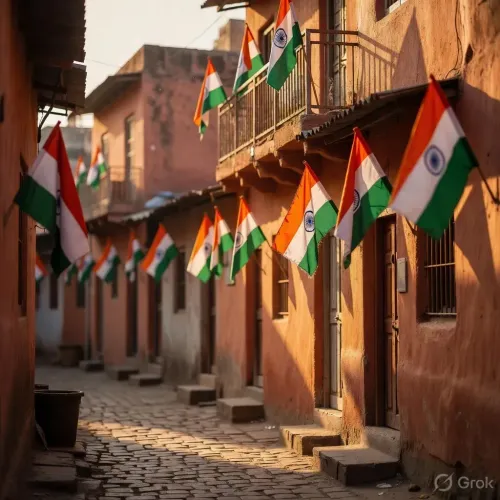
In a Hindi post on Wednesday, August 12, 2026, Goyal asked followers: 'Do you know the fascinating story behind the tricolour that we proudly fly every year at our homes, lanes and crossroads to celebrate freedom?' He urged every Indian to join the #HarGharTiranga campaign and hoist the national flag on their rooftop this Independence Day.
What is Har Ghar Tiranga — and why it keeps coming back
Har Ghar Tiranga was launched in 2022 as the centrepiece citizen-action initiative under Azadi Ka Amrit Mahotsav, the government's multi-year programme marking 75 years of India's independence. The idea was straightforward: make the tricolour a household presence, not just a government-building fixture. In its first edition, millions of flags were distributed and registered on a dedicated portal, making it one of the largest coordinated displays of the national flag in the country's history.
The campaign has returned each year since, with ministers, bureaucrats and citizens amplifying it across social media in the week leading up to August 15. Goyal's post fits squarely into that pattern — senior leaders using their platforms to convert online attention into offline, visible participation.
The tricolour's story — a hook left deliberately open
Goyal's post teases 'a fascinating story' about the flag without spelling it out — a deliberate hook, likely tied to a video attached to the post. The tricolour's journey is rich material: from the early Congress flag designs of the pre-independence era to Pingali Venkayya's foundational contribution, the adoption of the Ashoka Chakra in place of Gandhi's spinning wheel, and the strict protocols governing its display under the Flag Code of India — a code that was itself amended in 2022 to allow citizens to fly the flag at home day and night, directly enabling the Har Ghar Tiranga campaign.
That 2022 Flag Code amendment was a quiet but consequential policy shift. For decades, the national flag could only be displayed by private citizens on a handful of designated days and under specific conditions. Removing those restrictions was the legal prerequisite that made a mass, sustained campaign like Har Ghar Tiranga possible.
What to watch in the days ahead
Social media activity under #HarGharTiranga typically spikes in the 72 hours before Independence Day, with citizens posting photographs of flags hoisted at homes, schools and local markets. Participation numbers and the volume of flag registrations on the government portal will be the clearest measure of how the 2026 edition of the campaign lands.
A flag on every rooftop is an easy ask. Whether the story Goyal is teasing gives citizens a reason to feel something new about the cloth they are hoisting — that is the harder, more interesting test.
Point of View
The government keeps Azadi Ka Amrit Mahotsav alive as a cultural frame well beyond its original 75th-anniversary window. The teaser format of the post, withholding the 'fascinating story' to drive video views, reflects a maturing social media strategy among senior ministers. Whether the campaign deepens emotional engagement with the tricolour or becomes routine background noise will define its long-term political and cultural value.
NationPress
12 Aug 2026
Frequently Asked Questions
What is the Har Ghar Tiranga campaign?
Har Ghar Tiranga is a government initiative launched in 2022 under Azadi Ka Amrit Mahotsav that encourages every Indian household to hoist the national tricolour at home during Independence Day celebrations.
Why did Piyush Goyal post about the tricolour on August 12?
August 12 falls three days before Independence Day on August 15, and Goyal used the occasion to promote the #HarGharTiranga campaign and encourage citizen participation in hoisting the national flag.
When was the Flag Code of India amended to allow home display of the tricolour?
The Flag Code of India was amended in 2022 to allow private citizens to display the national flag at their homes day and night, which was a key legal change that made the Har Ghar Tiranga campaign possible.
What is Azadi Ka Amrit Mahotsav?
Azadi Ka Amrit Mahotsav is a series of government events and campaigns launched from 2021 onward to mark 75 years of India's independence, under which Har Ghar Tiranga was introduced.
How can I participate in Har Ghar Tiranga 2026?
Citizens can participate by hoisting the Indian national flag at their homes on or around Independence Day on August 15 and sharing their participation under the hashtag #HarGharTiranga on social media.