Piyush Goyal Hails Arvind Ltd Plant Launch in Varanasi

Synopsis
Union Commerce Minister Piyush Goyal celebrated PM Modi's inauguration of Arvind Limited's garment manufacturing facility in Varanasi, framing it as a landmark moment for exports, employment, and India's broader industrial push into eastern Uttar Pradesh under Make in India and the PLI textile scheme.
Key Takeaways
PM Narendra Modi inaugurated Arvind Limited 's new garment manufacturing facility in Varanasi on October 25, 2026 .
Commerce Minister Piyush Goyal called the launch a milestone for employment, exports, and economic growth in the region.
Varanasi is PM Modi's parliamentary constituency and carries centuries of Banarasi silk weaving heritage.
Arvind Limited is one of India's largest integrated textile and apparel companies, now expanding into eastern Uttar Pradesh .
The launch aligns with the Make in India initiative ( 2014 ) and the PLI scheme for textiles ( 2021 ), which incentivise domestic garment manufacturing and exports.
Key metrics to watch: actual hiring numbers, export orders booked, and follow-on textile investments in the Varanasi region.
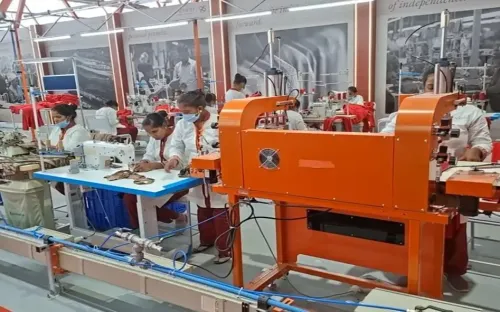
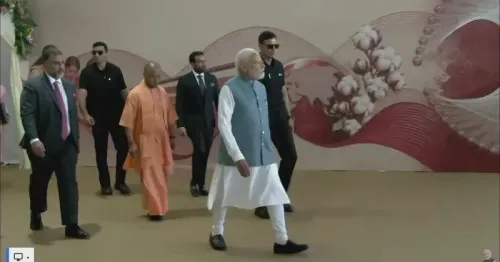
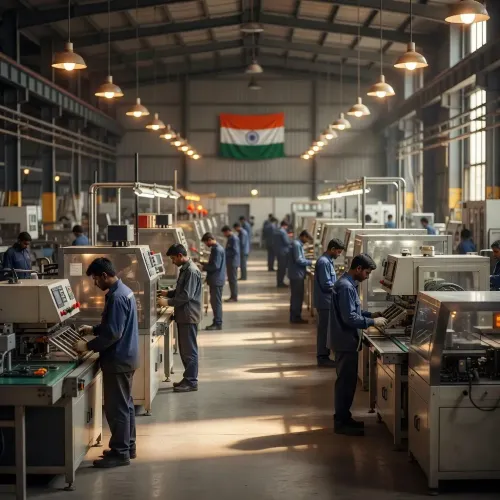
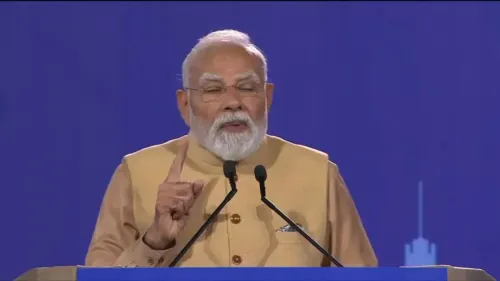
A garment stitched in Banaras is now headed for the world — and Union Commerce and Industry Minister Piyush Goyal wants every Indian to know it. On Sunday, October 25, 2026, Minister Goyal celebrated the inauguration of Arvind Limited's new garment manufacturing facility in Varanasi, inaugurated by Prime Minister Narendra Modi, calling it a milestone that will drive employment, exports, and economic growth in the region.
Posting on X in a characteristically bilingual flourish — 'बनारस से बना garment अब दुनिया भर में जाएगा!' ('A garment made in Banaras will now go across the world!') — the Minister framed the launch as far more than a ribbon-cutting. It is, in his telling, a signal that India's textile ambitions have arrived in the heartland.
Why Varanasi, and Why Arvind Limited
Varanasi carries centuries of weaving heritage — the Banarasi silk sari is among the most storied fabrics in the world. Yet for decades the city's textile economy remained dominated by hand-loom artisans, with large-scale industrial garment manufacturing largely absent. Arvind Limited, one of India's largest integrated textile and apparel conglomerates, brings industrial scale to that tradition — connecting local craftsmanship to global supply chains.
The choice of venue is also politically charged in the best sense: Varanasi is PM Modi's own parliamentary constituency, making every major investment there a visible proof-point of his development promises to eastern Uttar Pradesh.
The Policy Thread Running Through This Inauguration
Sunday's launch did not emerge in a vacuum. The Central government's Make in India initiative, launched in 2014, explicitly targeted textiles as a sector where domestic manufacturing capacity could scale rapidly. Seven years later, the Production Linked Incentive (PLI) scheme for textiles, rolled out in 2021, offered fresh financial incentives tied directly to output and exports — nudging companies like Arvind Limited to expand beyond traditional clusters in Gujarat and Karnataka into labour-surplus states like Uttar Pradesh.
The broader strategic logic is clear: India has long punched below its weight in global garment exports relative to competitors like Bangladesh and Vietnam. Routing industrial investment into eastern UP addresses two problems at once — it brings jobs to where young workers already live, and it adds manufacturing capacity that can chase international orders.
What Employment and Exports Could Look Like
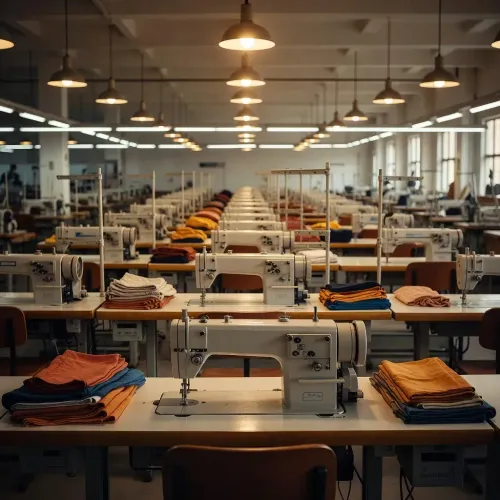
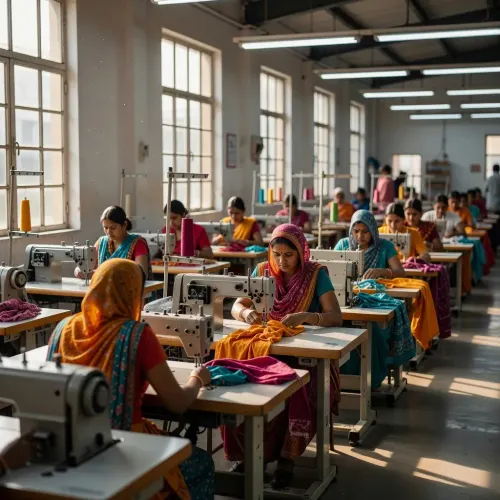
Garment manufacturing is famously labour-intensive — every new sewing floor translates relatively quickly into hundreds or thousands of jobs, many accessible to first-time workers and women. Minister Goyal specifically highlighted employment, exports, and economic growth as the three outcomes he expects the Varanasi facility to unlock. The watch items in coming months will be the actual hiring numbers the plant posts, the export orders it books, and whether other textile investors follow Arvind Limited's lead into the region.
If that follow-on investment materialises, Banaras's ancient identity as a weaving city could acquire an entirely modern industrial dimension — one that ships to retail shelves in Europe, the Gulf, and the Americas as readily as it once supplied royal courts across the subcontinent.
Point of View
Cheering it loudly reinforces his portfolio's central claim: that export-linked manufacturing schemes are generating real capacity on the ground. The deeper policy bet is that routing garment investment into labour-surplus eastern UP can replicate, at scale, what Bangladesh achieved over two decades — a mass-employment, export-oriented apparel base. Whether Varanasi becomes a genuine garment hub or remains a one-facility showcase will depend entirely on whether follow-on investors arrive.
NationPress
25 Oct 2026
Frequently Asked Questions
What is the Arvind Limited garment facility inaugurated in Varanasi?
Arvind Limited, one of India's largest textile and apparel conglomerates, inaugurated a new garment manufacturing facility in Varanasi, Uttar Pradesh. Prime Minister Narendra Modi performed the inauguration, with the unit aimed at boosting exports and generating local employment.
Why did PM Modi inaugurate a garment factory in Varanasi?
Varanasi is PM Modi's parliamentary constituency and has a historic weaving tradition. Bringing large-scale industrial garment manufacturing there aligns with Make in India and PLI scheme goals to raise India's global textile export share while creating jobs in eastern Uttar Pradesh.
What is the PLI scheme for textiles and how does it relate to this facility?
The Production Linked Incentive scheme for textiles was rolled out in 2021 to encourage investment in garment manufacturing by linking financial incentives to output and exports. It is part of the policy environment that has nudged companies like Arvind Limited to expand into states like Uttar Pradesh.
What did Piyush Goyal say about the Varanasi garment factory?
Commerce Minister Piyush Goyal posted on X that 'a garment made in Banaras will now go across the world,' calling the inauguration a milestone that will unlock fresh opportunities for employment, exports, and economic growth in Varanasi.
How will the Arvind Limited Varanasi plant impact employment?
Garment manufacturing is labour-intensive and typically generates hundreds to thousands of jobs relatively quickly. The Varanasi facility is expected to provide employment to local youth, including women, though specific hiring numbers will become clearer once the plant is fully operational.