Piyush Goyal Hails Padma Awards as People's Honours
Synopsis
Union Commerce Minister Piyush Goyal congratulated recipients of the Padma Awards conferred by President Droupadi Murmu on June 23, 2026, hailing the honours as 'people's awards' that recognise grassroots contributors across diverse fields under PM Modi's leadership.
Key Takeaways
Union Minister Piyush Goyal congratulated all Padma Award recipients on June 23, 2026 .
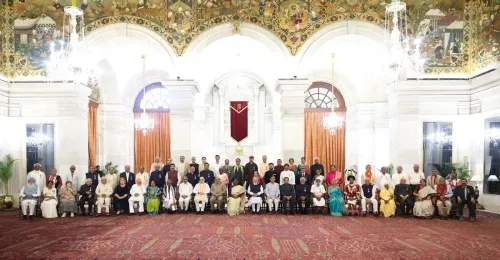
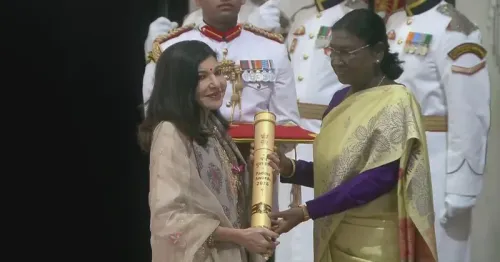
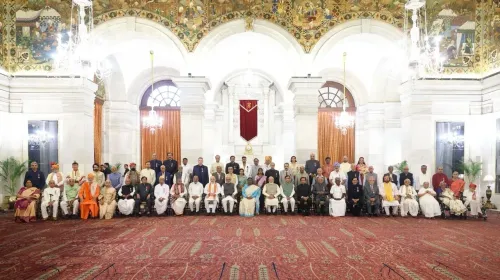
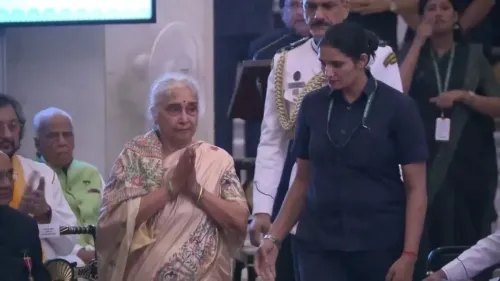
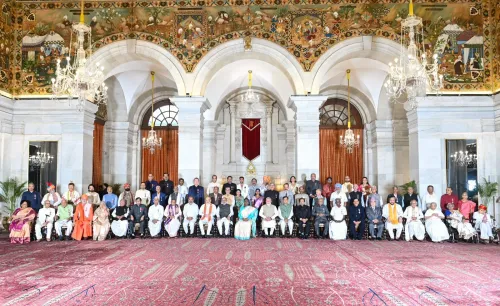
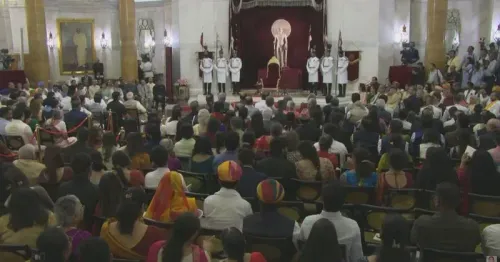
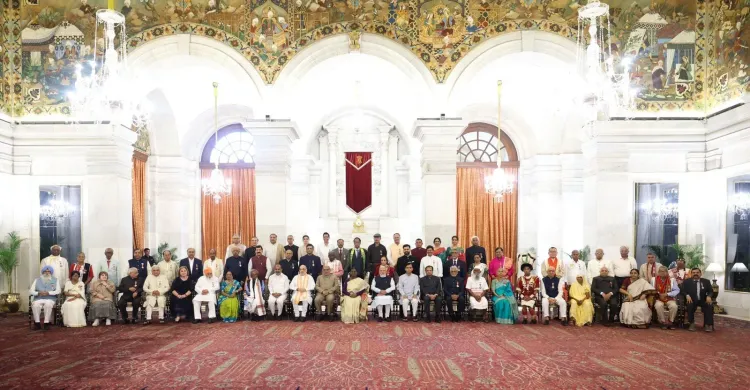
The awards were conferred by President Droupadi Murmu at an investiture ceremony at Rashtrapati Bhavan .
Goyal credited PM Narendra Modi 's leadership for transforming the Padma Awards into 'people's awards' focused on grassroots contributors.
The Padma Awards were instituted in 1954 and cover art, literature, science, public affairs, and other fields.
The government's framing emphasises Jan Bhagidari (people's participation) as central to the awards' evolving identity.
The next Padma list is expected around Republic Day 2027 .
Union Commerce and Industry Minister Piyush Goyal on Tuesday, June 23, 2026, congratulated all recipients of the Padma Awards conferred by President Droupadi Murmu at a ceremony marking one of India's most prestigious civilian honour traditions.
Context
Goyal took to social media to extend his 'heartiest congratulations' to awardees across 'diverse fields and walks of life,' describing them as individuals who have contributed toward 'strengthening society, creating meaningful impact, and advancing the spirit of nation-building through Jan Bhagidari [people's participation].' The minister tagged Rashtrapati Bhavan in his post and shared a live-stream link of the investiture ceremony.
President Droupadi Murmu, who has served as the constitutional head conferring civilian honours since 2022, presided over the ceremony. The Padma Awards are among the highest civilian distinctions in India, spanning categories that recognise service in art, literature, science, public affairs, and a range of other fields.
Policy Backdrop
The Padma Awards were instituted by the Government of India in 1954 and are announced annually around Republic Day, with investiture ceremonies typically held later in the year. Over the decades, the awards have evolved from recognising largely institutional figures to increasingly honouring grassroots contributors and unsung individuals from across the country.
Goyal attributed this shift directly to Prime Minister Narendra Modi's leadership, stating that under his stewardship the Padma Awards have 'truly evolved into the people's awards, recognising the true gems of Bharat whose contributions at the grassroots transform lives and communities.' This framing — positioning civilian honours as instruments of participatory nation-building — has been a consistent feature of official government messaging since 2014.
Stakeholders and Impact
The broadening of the Padma selection process in recent years has drawn attention to recipients from rural areas, tribal communities, and non-metropolitan regions who may otherwise have gone unrecognised. Civil society leaders, grassroots health workers, folk artists, and social entrepreneurs have featured more prominently in recent lists, reflecting the stated policy intent to widen the pool of honourees.
Goyal underscored this motivational dimension, noting that recognising such individuals encourages 'many more to serve with purpose and compassion.' He described India's strength as residing in 'inspiring individuals who continue to serve Maa Bharati [Mother India] with humility, commitment, and a sense of larger purpose.'
What's Next
The next Padma Awards list is expected to be announced around Republic Day 2027, with a subsequent investiture ceremony to be scheduled by Rashtrapati Bhavan. The government's continued emphasis on grassroots recognition suggests the selection philosophy articulated by senior ministers like Goyal will remain central to how the awards are framed and communicated publicly in the months ahead.
Point of View
' the messaging ties the Padma Awards directly to the Modi government's broader political identity around grassroots governance. The tribute also serves a secondary function: reinforcing Goyal's own positioning as a senior party voice on national pride and cultural policy. With Republic Day 2027 on the horizon, this framing is likely to intensify as the next awards cycle approaches.
NationPress
23 Jun 2026
Frequently Asked Questions
Who conferred the Padma Awards in June 2026?
President Droupadi Murmu conferred the Padma Awards at an investiture ceremony on June 23, 2026 , at Rashtrapati Bhavan , New Delhi.
What are the Padma Awards?
The Padma Awards are India's highest civilian honours, instituted in 1954 . They are awarded in three categories — Padma Vibhushan, Padma Bhushan, and Padma Shri — for distinguished service in fields including art, literature, science, and public affairs.
What did Piyush Goyal say about the Padma Awards?
Union Minister Piyush Goyal called the Padma Awards 'the people's awards' and credited PM Narendra Modi 's leadership for ensuring they recognise grassroots contributors who transform lives and communities.
When is the next Padma Awards list announced?
The Padma Awards list is typically announced around Republic Day , which falls on January 26 . The next list is expected around Republic Day 2027 .
What is Jan Bhagidari in the context of Padma Awards?
Jan Bhagidari means 'people's participation.' The government uses the term to describe its approach of widening the Padma Awards to include unsung, grassroots contributors rather than limiting recognition to established institutional figures.