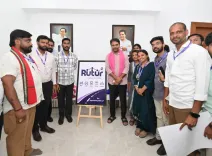
Piyush Goyal inaugurates Jai Ambe Maa Chowk in Borivali East
Synopsis
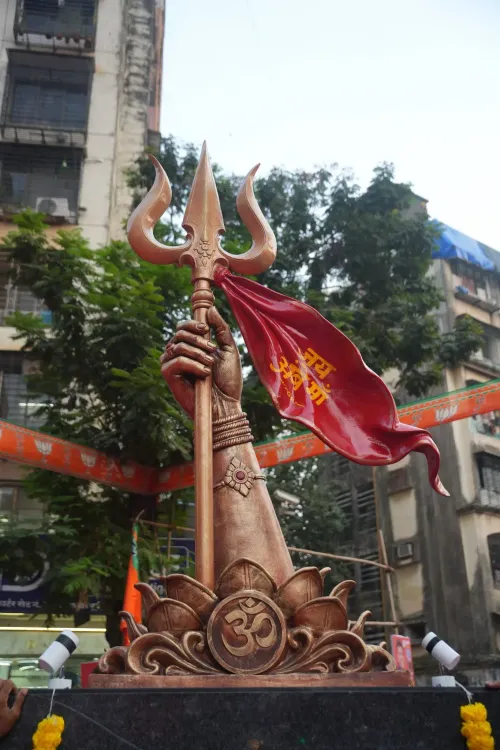
Union Commerce Minister Piyush Goyal inaugurated Jai Ambe Maa Chowk in Borivali East, Mumbai on October 16, 2026, invoking Maa Bhavani's blessings and framing the event as a celebration of devotion and strength for local residents.
Key Takeaways
Jai Ambe Maa Chowk was inaugurated in Borivali East, Mumbai on October 16, 2026 .
Union Minister Piyush Goyal performed the inauguration and shared photographs of the event on X.
The chowk is named after the Hindu goddess Amba (Bhavani) , aligning with Maharashtra's strong Devi worship tradition.
The inauguration coincides with the Navratri season, when Devi reverence peaks across India.
Naming public civic spaces after Hindu deities is a recurring practice of BJP-governed municipal bodies in Maharashtra.
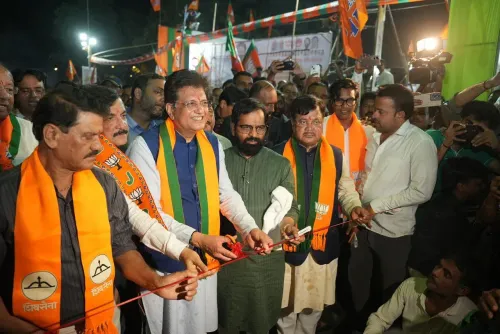
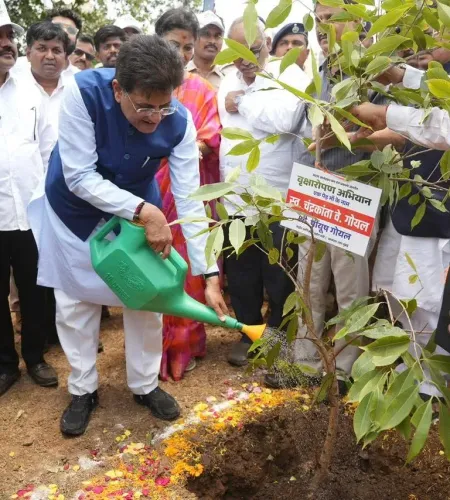
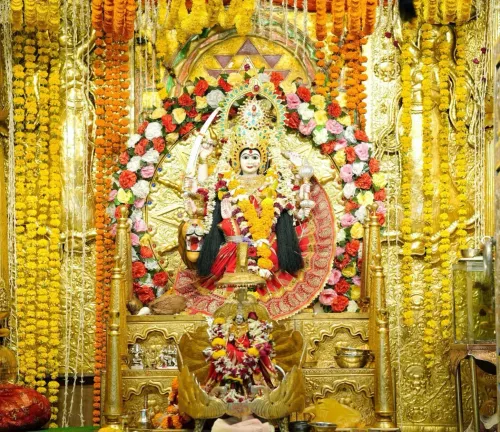
With a prayer to Maa Bhavani on his lips, Union Commerce and Industry Minister Piyush Goyal inaugurated Jai Ambe Maa Chowk in Borivali East, Mumbai, on the evening of Friday, October 16, 2026 — marking the occasion as a confluence of faith and civic pride in one of the city's most densely populated northern suburbs.
Sharing the moment on X, Goyal wrote: 'माँ भवानी के आशीर्वाद से आज बोरीवली पूर्व में जय अंबे माँ चौक का उद्घाटन करने का सौभाग्य मिला। भक्ति और शक्ति का ये पावन उत्सव सभी के जीवन में नई खुशियों का संचार करे।' — 'Blessed by Maa Bhavani, I had the honour today of inaugurating Jai Ambe Maa Chowk in Borivali East. May this sacred celebration of devotion and strength bring new joys into everyone's life.'
A chowk named for the goddess in Mumbai's middle-class heartland
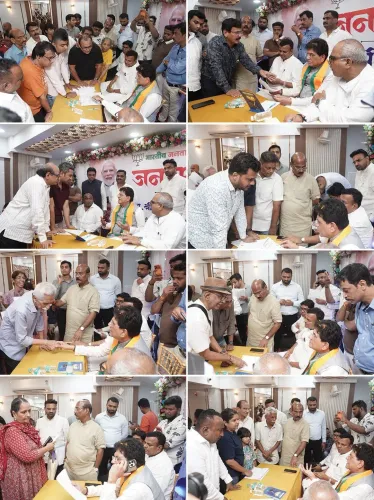
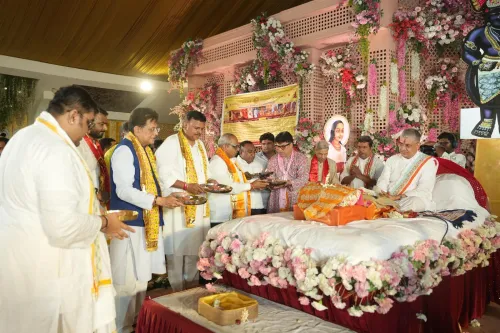
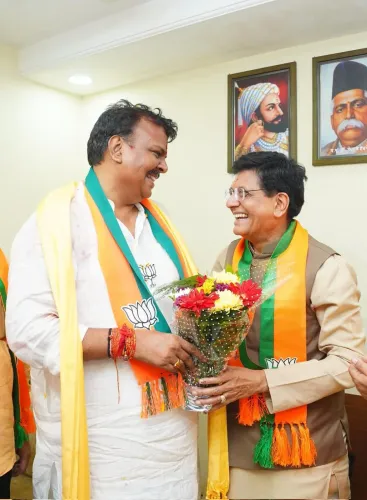
Borivali East is a sprawling residential belt in Mumbai's northwest — home to large cooperative housing societies, a sizeable middle-class electorate, and a strong tradition of Navratri and Devi worship. Naming a public square after Amba, the presiding goddess of Maharashtra, carries both devotional resonance and political symbolism in this milieu. The inauguration drew four photographs worth of attendees and colour, posted by Goyal alongside his message.
BJP's playbook of local cultural anchoring
Senior BJP leaders routinely combine civic groundwork with religious sentiment — inaugurating chowks, installing deity idols, and naming public infrastructure in ways that keep the party visible at the neighbourhood level between elections. In Maharashtra, naming civic landmarks after Hindu deities has been a consistent practice across BJP-governed municipal bodies. For Goyal, who holds the Mumbai connection close as a Rajya Sabha leader from Maharashtra, such an appearance in Borivali signals active constituency maintenance in a high-value urban seat.
The intersection of bhakti (devotion) and shakti (power) — the exact words Goyal used — is also a phrase with deliberate cultural weight during the Navratri season, when Devi worship peaks across the country. The timing was not incidental.
Point of View
A senior leader who anchors the party's Rajya Sabha operations nationally, public appearances in Borivali serve a dual purpose: reinforcing grassroots connect in a competitive Mumbai suburban seat and projecting cultural alignment during high-visibility religious seasons. The choice of Navratri timing amplifies the symbolism without requiring any formal policy announcement, making it a low-cost, high-visibility touchpoint. Expect similar inaugurations as Mumbai civic cycles approach.
NationPress
16 Oct 2026
Frequently Asked Questions
Where is Jai Ambe Maa Chowk located?
Jai Ambe Maa Chowk is located in Borivali East, a northern suburb of Mumbai, Maharashtra.
Who inaugurated Jai Ambe Maa Chowk?
Union Commerce and Industry Minister Piyush Goyal inaugurated the chowk on October 16, 2026.
Why is the chowk named Jai Ambe Maa?
The chowk is named after the Hindu goddess Amba (also called Bhavani or Durga), reflecting Maharashtra's deep tradition of Devi worship and the BJP-led civic practice of naming public infrastructure after Hindu deities.
What is the significance of the inauguration during Navratri?
Navratri is the nine-night festival celebrating the goddess Durga, making it a symbolically significant moment to inaugurate a chowk named after Maa Amba, reinforcing the theme of devotion and divine power that Goyal invoked in his post.
What is Piyush Goyal's connection to Mumbai?
Piyush Goyal is a senior BJP leader and Leader of the House in the Rajya Sabha with strong roots in Maharashtra, making Mumbai's suburban constituencies part of his political engagement.