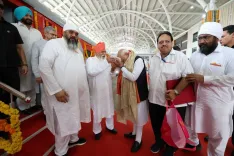
Piyush Goyal's Brussels Visit Strengthens India-EU Partnership
Synopsis
Commerce and Industry Minister Piyush Goyal visited Brussels on 17 July 2026 for a series of diplomatic engagements aimed at advancing the India-EU strategic partnership, with focus on trade, investment and regulatory cooperation between India and the 27-member bloc.
Key Takeaways
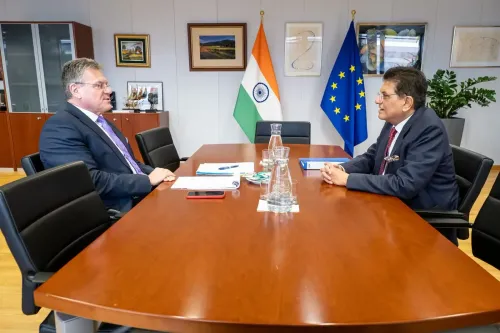
Commerce Minister Piyush Goyal visited Brussels, Belgium on 17 July 2026 for diplomatic meetings with EU counterparts.
Goyal described the engagements as 'meaningful' and 'constructive,' signalling positive ministerial-level momentum.
The visit advances the India-EU Strategic Partnership established in 2004 , which spans trade, climate and technology cooperation.
Negotiations for the India-EU Broad-Based Trade and Investment Agreement , launched in 2007 , remain a central focus of bilateral engagement.
Key stakeholders include Indian exporters in pharma, IT and textiles, and EU investors targeting India's manufacturing and digital sectors.
Progress on outstanding trade-agreement chapters and the scheduling of the next India-EU Summit are the immediate markers to watch.
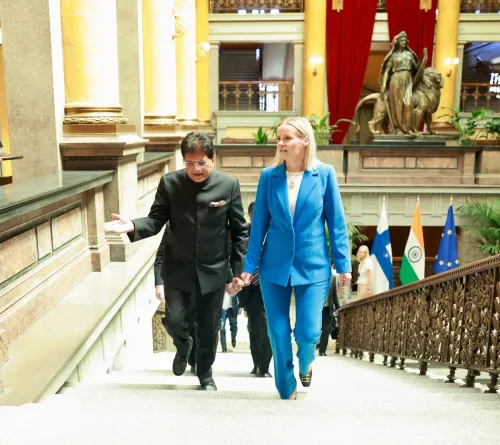
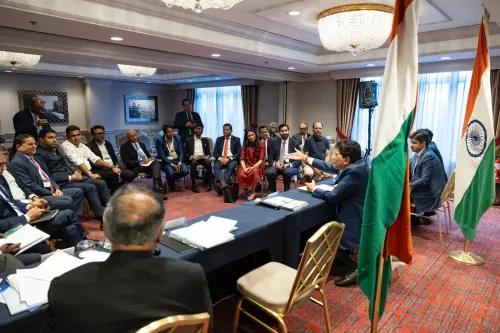
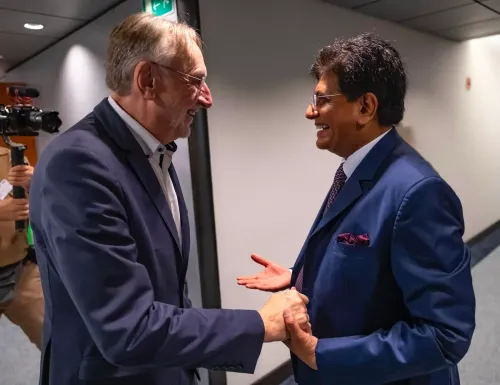
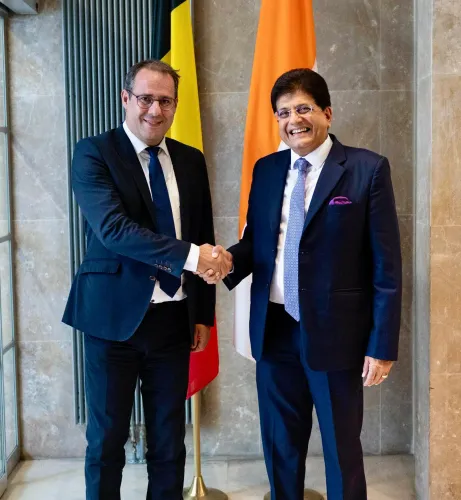
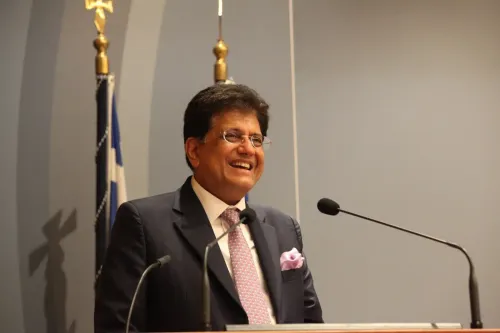
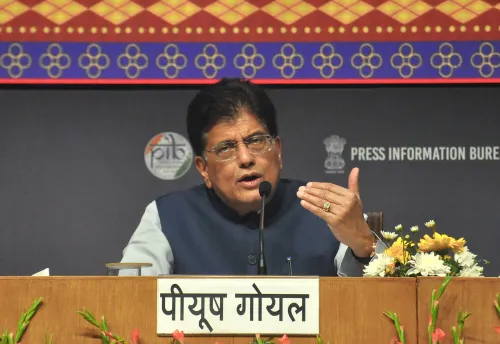
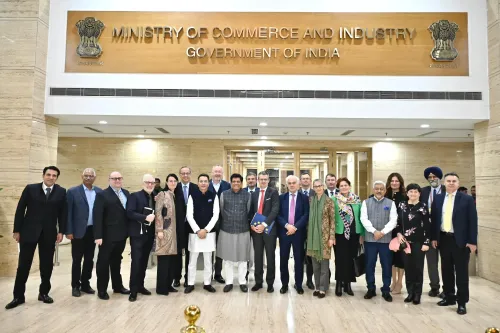
Union Commerce and Industry Minister Piyush Goyal concluded a diplomatic visit to Brussels, Belgium, on Friday, 17 July 2026, describing a series of engagements aimed at deepening the India-EU strategic partnership. The minister shared highlights of his visit on social media, calling the meetings 'meaningful' and 'constructive.'
Context
Goyal's post noted that the Brussels engagements 'further strengthened the India-EU partnership,' signalling active ministerial-level outreach at the seat of the European Union's core institutions. Brussels hosts the European Commission, the Council of the EU, and other key bodies, making it the natural venue for trade and economic diplomacy between India and the bloc.
The visit comes as India continues to pursue a multi-alignment foreign economic policy, seeking diversified trade partnerships to reduce dependence on any single market. Engagement with the EU fits squarely within that strategic calculus.
Policy Backdrop
The India-EU Strategic Partnership, established in 2004, has expanded cooperation across trade, climate action, digital governance, and research and innovation. Formal negotiations for the India-EU Broad-Based Trade and Investment Agreement (BTIA) were launched in 2007 but stalled for over a decade before being revived in recent years.
Successive rounds of ministerial engagement have sought to resolve outstanding differences on market access in goods and services, intellectual property, and investment protection. Brussels meetings at the ministerial level typically also address regulatory alignment, digital trade rules, and collaboration on green technology — areas of growing strategic importance for both sides.
India's push for supply-chain resilience, particularly in critical minerals, semiconductors, and clean energy, has added fresh urgency to deepening ties with the 27-member bloc, which collectively represents one of the world's largest single markets.
Stakeholders and Impact
Indian exporters in sectors such as pharmaceuticals, textiles, information technology services, and engineering goods stand to benefit from any progress on reducing tariff and non-tariff barriers with the EU. Simultaneously, EU investors eyeing India's expanding manufacturing base and digital economy have a direct stake in clearer investment rules and dispute-resolution mechanisms.
Small and medium enterprises on both sides, which often face the steepest compliance costs in cross-border trade, would gain significantly from regulatory harmonisation that a comprehensive trade agreement could deliver. Green-technology firms are also watching closely, given the EU's stringent carbon-border adjustment requirements and India's own clean-energy ambitions.
What's Next
Attention will now turn to whether the Brussels visit translates into a fresh round of negotiating sessions on the stalled trade agreement or sets the stage for a high-level India-EU Summit. Both sides have periodically signalled intent to conclude the BTIA, but bridging gaps on data flows, public procurement, and geographical indications remains a work in progress.
Minister Goyal's emphasis on 'constructive meetings' suggests continued momentum at the political level. Whether that momentum converts into a substantive negotiating breakthrough will be the key metric to watch in the months ahead.
Point of View
Reflecting New Delhi's deliberate strategy of multi-alignment in an era of fragmented global supply chains. The timing is significant: with India's export growth under pressure and the EU tightening carbon-border and digital-trade regulations, a functional BTIA would provide Indian industry with predictability it currently lacks. The minister's framing of talks as 'constructive' is diplomatically calibrated — it signals progress without committing to a timeline, keeping negotiating space intact. The real test will come when the two sides must reconcile the EU's regulatory ambitions with India's insistence on policy space for domestic industry.
NationPress
17 Jul 2026
Frequently Asked Questions
Why did Piyush Goyal visit Brussels in July 2026?
Piyush Goyal visited Brussels in July 2026 for a series of diplomatic meetings aimed at strengthening the India-EU strategic partnership, covering trade, investment and regulatory cooperation.
What is the India-EU trade agreement and where do talks stand?
The India-EU Broad-Based Trade and Investment Agreement (BTIA) was first negotiated from 2007 but stalled over differences on market access, data flows and investment rules. Recent ministerial engagement has sought to revive and conclude the deal.
What is the India-EU Strategic Partnership?
The India-EU Strategic Partnership was established in 2004 to deepen cooperation across trade, climate action, digital governance, and research. It forms the framework for all high-level bilateral engagement, including ministerial visits to Brussels.
How does the Brussels visit affect Indian exporters?
Progress in India-EU trade talks could reduce tariff and non-tariff barriers for Indian exporters in sectors such as pharmaceuticals, IT services, textiles and engineering goods, potentially opening greater access to the EU's large single market.
When is the next India-EU Summit expected?
No date for the next India-EU Summit has been officially announced. Goyal's July 2026 Brussels visit is expected to contribute to building the political momentum needed to schedule a summit and advance outstanding trade-agreement chapters.