Goyal meets Indian biz delegation in Brussels over EU FTA
Synopsis
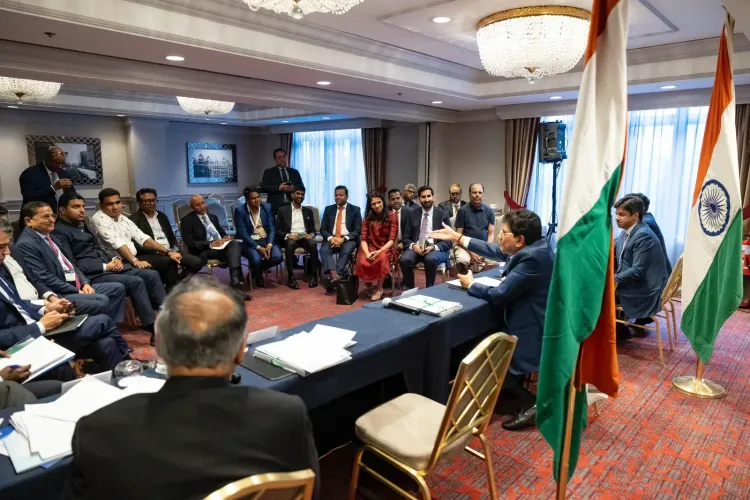
Commerce Minister Piyush Goyal met Indian industry bodies including FICCI, CII, and ASSOCHAM in Brussels on 16 July 2026 to discuss how the India-EU Free Trade Agreement can deliver tangible benefits for Indian businesses and MSMEs.
Key Takeaways
Commerce Minister Piyush Goyal held talks with an Indian business delegation in Brussels on 16 July 2026 .
The delegation included representatives from FICCI , CII , ASSOCHAM , and regional industry associations.
Discussions centred on ensuring the India-EU FTA delivers 'tangible outcomes' for businesses and MSMEs .
India-EU trade negotiations were first launched in 2007 , suspended in 2013 , and revived in 2022 .
The EU is one of India's largest trading partners, making this FTA among the most strategically significant under negotiation.
Next milestones include a formal negotiating round and a potential joint statement from an India-EU Summit .
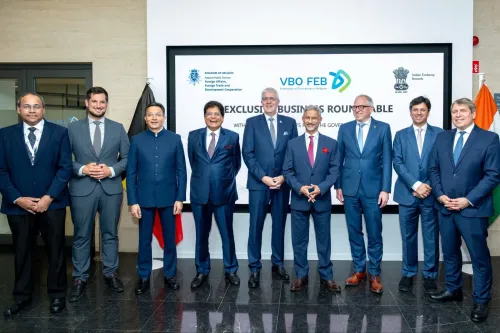
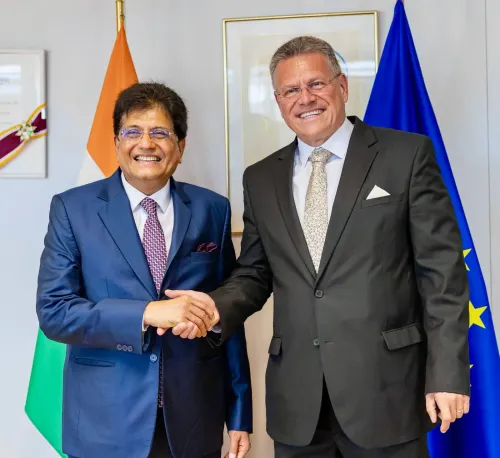
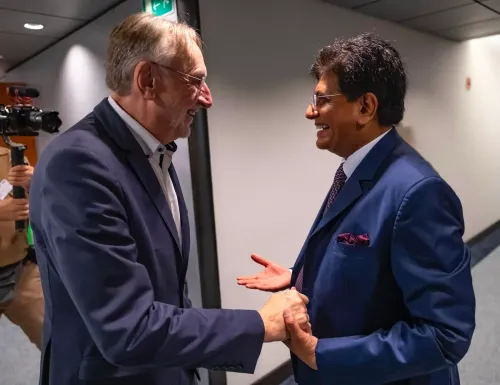
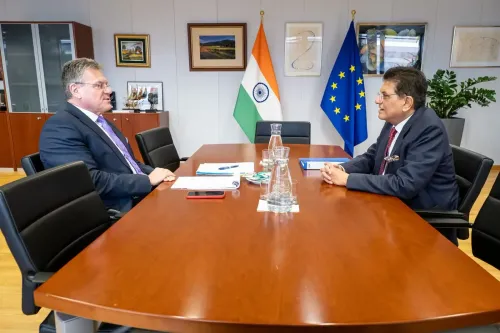
Union Commerce and Industry Minister Piyush Goyal met with a high-level Indian business delegation in Brussels on Thursday, 16 July 2026, to discuss the ongoing negotiations for a comprehensive India-EU Free Trade Agreement. The delegation included representatives from apex industry bodies FICCI, CII, ASSOCHAM, and several regional business associations, reflecting a broad cross-section of Indian industry.
Context
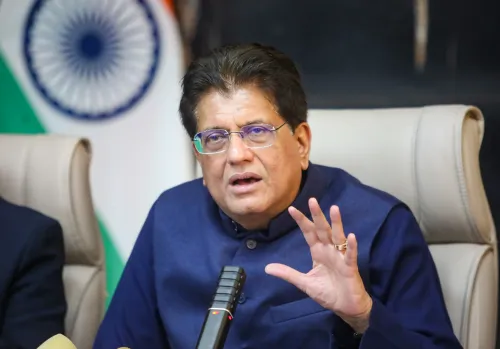
Minister Goyal stated that the discussions focused on 'how the India-EU FTA can open real doors for Indian industry and deliver tangible outcomes for our businesses, our MSMEs, and our people.' The meeting in Brussels — the seat of major European Union institutions — signals the Indian government's intent to keep industry voices central to the ongoing trade negotiations. Business delegations accompanying ministerial visits have become a standard feature of India's FTA diplomacy, allowing sector-specific inputs to be fed directly into the negotiating process.
Policy Backdrop
The India-EU trade agreement has a long and complex history. Formal negotiations, then called the Broad-based Trade and Investment Agreement, were launched in June 2007 but were suspended in 2013 after 15 rounds of talks, as the two sides could not bridge differences on market access, data protection, and other contentious chapters. Talks were formally revived in 2022, with a renewed focus on trade, investment, and sustainability. Since then, both sides have held multiple rounds of technical discussions to narrow outstanding gaps.
India has pursued an accelerated FTA agenda in recent years, concluding agreements with the UAE and Australia and advancing talks with the United Kingdom and others, as part of a broader strategy to diversify export markets and integrate deeper into global value chains. The EU remains one of India's largest trading partners, making this agreement among the most consequential on the table.
Stakeholders and Impact
The explicit mention of MSMEs by Minister Goyal is significant. Small and medium enterprises form the backbone of India's export ecosystem but have historically been more vulnerable to the adjustment costs of trade liberalisation. Ensuring that the FTA's benefits reach this segment — through reduced tariffs, eased non-tariff barriers, and better market access in the EU — is a key political and economic priority for New Delhi.
The three apex bodies present at the Brussels meeting — FICCI (founded in 1927), CII, and ASSOCHAM — collectively represent thousands of companies across manufacturing, services, and agriculture. Their participation alongside regional associations suggests the consultation was designed to capture concerns from industry clusters beyond the major metros.
What's Next
Attention will now turn to the next formal round of India-EU FTA negotiations and any joint statement that may emerge from a prospective India-EU Summit. The Brussels interaction is likely to feed into the Indian negotiating team's positions on chapters covering goods, services, investment, and intellectual property. The pace of remaining rounds and the political will on both sides to conclude the agreement will be the decisive factors in determining whether the long-pending deal can finally be brought to closure.
Point of View
The ministerial-level engagement in Brussels suggests negotiations have reached a stage where political impetus is being applied to break remaining logjams. This fits a wider pattern of India using high-profile ministerial visits abroad to signal seriousness of intent and accelerate FTA timelines.
NationPress
14 Oct 2026
Frequently Asked Questions
What is the India-EU FTA and when did negotiations start?
The India-EU Free Trade Agreement is a proposed comprehensive deal covering goods, services, investment, and sustainability. Negotiations were first launched in June 2007, suspended in 2013 after 15 rounds, and formally resumed in 2022.
Why did Piyush Goyal visit Brussels in July 2026?
Minister Piyush Goyal visited Brussels to engage with Indian industry representatives from FICCI, CII, ASSOCHAM, and regional associations on advancing the India-EU FTA and ensuring it delivers tangible benefits for Indian businesses and MSMEs.
Which industry bodies were part of the Indian delegation in Brussels?
The delegation included the Federation of Indian Chambers of Commerce and Industry (FICCI), the Confederation of Indian Industry (CII), the Associated Chambers of Commerce and Industry of India (ASSOCHAM), and other regional business associations.
What is the current status of India-EU trade deal talks?
Talks are ongoing following their revival in 2022. Both sides have held multiple technical rounds. Key outstanding issues include market access, investment protections, and non-tariff barriers. A formal negotiating round and a potential India-EU Summit statement are the next expected milestones.
How important is the EU as a trade partner for India?
The European Union is one of India's largest trading partners, making the India-EU FTA among the most strategically significant trade agreements currently under negotiation for New Delhi.