PM E-DRIVE scheme drives 26.59 lakh EV sales, 14,000 e-buses allocated by 2026
Synopsis
India's PM E-DRIVE scheme has crossed 26.59 lakh EV sales in under two years, deployed 14,000 e-buses to seven major cities, and approved over 8,000 public chargers — making it one of the most operationally active EV push programmes the country has seen, with ₹11,900 crore still in play until March 2028.
Key Takeaways
The PM E-DRIVE scheme , launched in September 2024 , has enabled 26.59 lakh EV sales as of June 2026 .
Total scheme outlay is ₹11,900 crore , with implementation extended to March 2028 .
14,000 e-buses have been allocated as of August 2026 , with 13,800 earmarked for Delhi, Bengaluru, Hyderabad, Mumbai, Ahmedabad, Pune and Surat . ₹851 crore approved for 8,147 chargers across three oil marketing companies and 10 states as of 28 September 2026 .
The e-3W (L5) sub-category was closed on 26 December 2025 after achieving its sales target; e-rickshaw and e-cart support continues until March 2028 . ₹780 crore allocated for modernisation of vehicle testing agencies to support EV certification at scale.
The PM E-DRIVE scheme, launched in September 2024, has enabled 26.59 lakh electric vehicle (EV) sales as of June 2026, according to an official government factsheet. With a total outlay of ₹11,900 crore and implementation extended until March 2028, the scheme is accelerating EV adoption, expanding charging infrastructure, and reinforcing India's domestic manufacturing ecosystem.
Scale of the Scheme
The PM E-DRIVE scheme provides demand incentives and infrastructure support across a range of vehicle categories, including e-2 Wheelers (e-2Ws), e-3 Wheelers (e-3Ws), e-Ambulances, e-Trucks, and e-Buses. It has been designed to support incentives for up to 28.30 lakh EVs in total, alongside charging stations and vehicle testing facilities.
Registered e-2Ws receive an incentive of ₹2,500 per kWh, capped at ₹5,000 per vehicle, applicable to vehicles priced up to ₹1.5 lakh ex-factory. A fund allocation of ₹2,767 crore supports this sub-category, with a target of over 45.79 lakh registered e-2Ws.
E-Bus Deployment Across Seven Cities
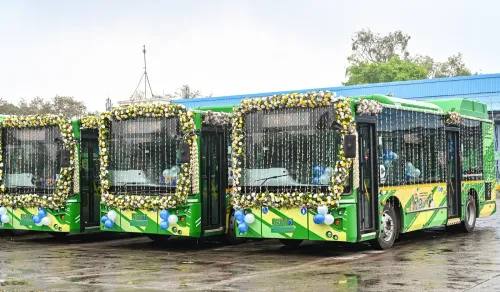
About ₹4,391 crore has been allocated specifically for the deployment of 14,028 e-buses under the scheme. As of August 2026, 14,000 e-buses have been allocated, with 13,800 of these earmarked for seven major cities — Delhi, Bengaluru, Hyderabad, Mumbai, Ahmedabad, Pune, and Surat. This represents one of the largest coordinated public electric bus deployments in India's history.
Charging Infrastructure Push
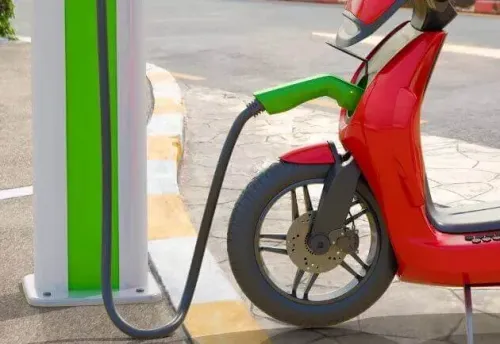
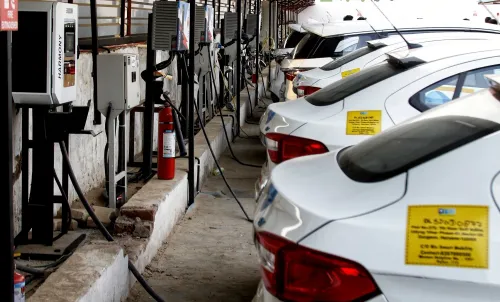
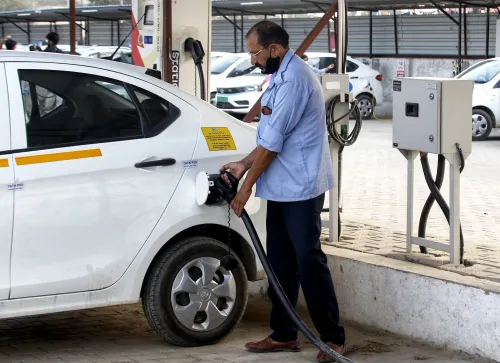
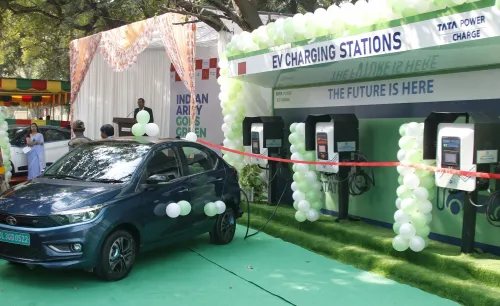
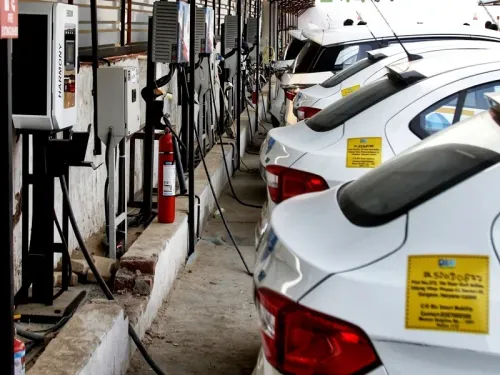
Nearly ₹2,000 crore has been earmarked for the nationwide rollout of EV public charging stations (EV PCS). As of 28 September 2026, ₹851 crore has been approved for the deployment of 8,147 chargers across three oil marketing companies and 10 states. Grant support under the scheme is also available for the upgradation of EV charging facilities at public locations.
Additionally, ₹780 crore has been set aside for the modernisation and upgradation of vehicle testing agencies, strengthening the technical backbone required to certify and scale EV production in India.
Category-Wise Progress and Closures
Target sales for the registered e-3W (L5) sub-category have already been achieved, and that segment was formally closed on 26 December 2025. Support for the broader e-3W category — covering e-rickshaws and e-carts — remains active until March 2028, according to the government factsheet.
Notably, the scheme's multi-category approach — spanning two-wheelers to heavy-duty buses — signals a deliberate policy choice to broaden EV uptake beyond passenger cars, which dominate global EV narratives but represent a smaller share of Indian road users.
What Comes Next
With implementation running until March 2028 and significant funds still to be disbursed, the scheme's trajectory will depend on whether charging infrastructure keeps pace with vehicle adoption — historically India's biggest EV bottleneck. The phased charger rollout across 10 states and the e-bus deployments in seven cities will be closely watched as indicators of on-ground execution.
Point of View
But the real stress test is charging infrastructure — India's persistent weak link in EV adoption. With only ₹851 crore of the nearly ₹2,000 crore EV PCS allocation approved so far, and deployment confined to 10 states, the charger rollout is lagging behind vehicle demand. The seven-city e-bus push is the scheme's most visible bet: public fleets are easier to mandate and monitor than private buyer behaviour, but city-level execution has historically stalled on depot readiness and grid connectivity. Whether the 26.59 lakh sales figure translates into sustained adoption — or front-loaded incentive harvesting — will only become clear as subsidy availability tightens closer to the March 2028 deadline.
NationPress
2 Oct 2026
Frequently Asked Questions
What is the PM E-DRIVE scheme?
The PM E-DRIVE scheme is a central government initiative launched in September 2024 with a ₹11,900 crore outlay to accelerate electric vehicle adoption in India. It provides demand incentives across multiple EV categories — including two-wheelers, three-wheelers, buses, ambulances and trucks — and funds charging infrastructure and vehicle testing upgrades, with implementation running until March 2028.
How many EVs have been sold under PM E-DRIVE so far?
As of June 2026, the PM E-DRIVE scheme has enabled 26.59 lakh EV sales. The scheme was designed to support incentives for up to 28.30 lakh EVs in total across all eligible categories.
Which cities are getting e-buses under PM E-DRIVE?
A total of 13,800 e-buses have been allocated to seven cities — Delhi, Bengaluru, Hyderabad, Mumbai, Ahmedabad, Pune and Surat — out of 14,000 allocated nationally as of August 2026. The government has set aside ₹4,391 crore specifically for e-bus deployment under the scheme.
What is the status of EV charging infrastructure under the scheme?
Nearly ₹2,000 crore has been earmarked for nationwide EV public charging stations. As of 28 September 2026, ₹851 crore has been approved for 8,147 chargers across three oil marketing companies and 10 states. Grant support is also available for upgrading existing public charging facilities.
What incentive do electric two-wheeler buyers get under PM E-DRIVE?
Registered electric two-wheelers receive an incentive of ₹2,500 per kWh, capped at ₹5,000 per vehicle, for models priced up to ₹1.5 lakh ex-factory. A total fund of ₹2,767 crore supports this sub-category, targeting over 45.79 lakh registered e-2Ws.